Table of Contents (15 sections)
Creating a safe environment for pets is crucial for their health and happiness. As pet owners, it's our responsibility to ensure our furry friends can live without hazards. In this article, we will explore ten essential tips to help you keep your home safe and welcoming for your beloved pets.
1. Understand Pet-Proofing Basics
Pet-proofing your home is the first step in creating a safe environment. This involves identifying potential risks, such as electrical cords, toxic plants, and small objects that could be swallowed. Secure heavy furniture that a pet might knock over, and use baby gates to restrict access to unsafe areas. According to the ASPCA, many common household items can be hazardous to pets. By doing a thorough walkthrough of your space, you can mitigate these risks before they become a danger.
2. Create a Designated Safe Space
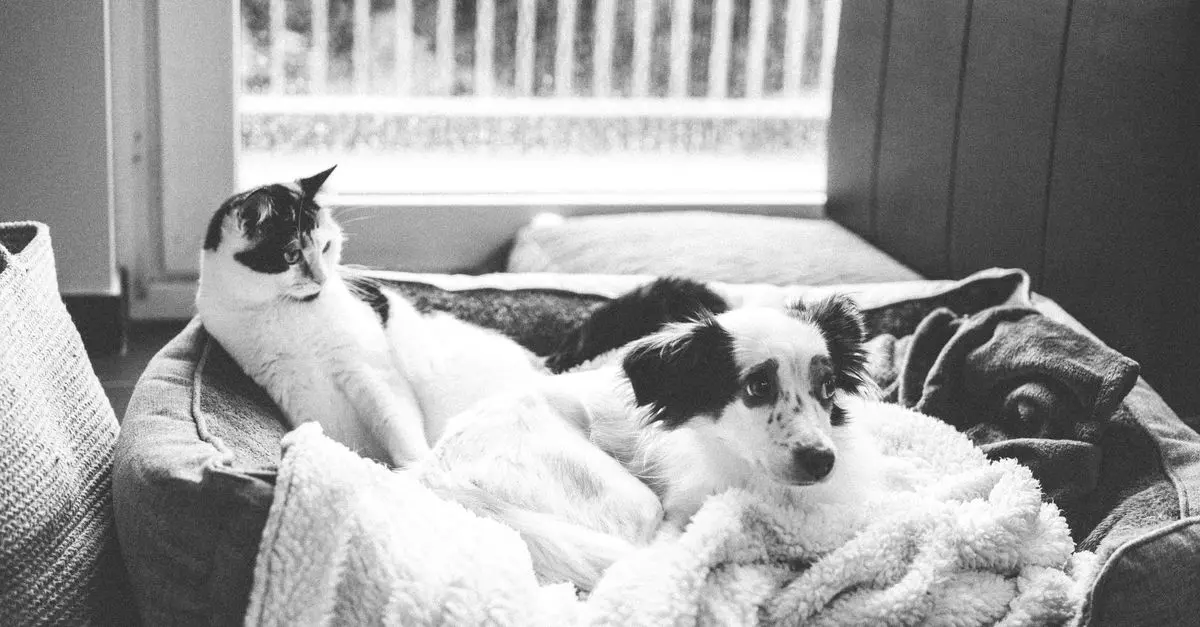
Having a safe space where your pets can retreat when they feel stressed is essential. This could be a quiet room or a cozy corner with their bed and toys. A designated safe zone helps pets relax and reduces anxiety during loud events, such as thunderstorms or fireworks. Use soft bedding and familiar toys to make this space inviting. Additionally, consider incorporating feromones that can help soothe your pets in their designated area.

Nuloom Classic SpinClean Double Rainbow Machine Washable Kids Area Rug
shop.simon.com

BISSELL Revolution Formula with OXY for Upright Carpet Cleaners (48 oz. ) 3975
bissell.com

Shiseido Ultimate Sun Protector Lotion & Urban Environment Bundle ($78 Value)
shiseido.com
3. Ensure Secure Outdoor Spaces
If your pets will spend time outdoors, ensure that your yard is secure. Fencing should not only be in good repair but high enough to prevent jumping or digging under. According to a study by Petfinder, nearly 15% of pets go missing due to unsecured yards. Regularly check for holes or points of escape, and consider installing motion sensors that alert you to animal activity outside. This proactive approach reduces the risk of losing a pet.
4. Store Dangerous Substances Safely
Many household items, from cleaning supplies to certain foods, can be toxic to pets. Store all chemicals in secure cabinets, out of reach, and consider using child-proof locks. Furthermore, foods like chocolate, grapes, and onions are harmful to dogs and cats, so keep these items out of your kitchen and inform all household members about what is dangerous. Awareness is key to preventing accidental ingestion and possible poisoning.
5. Regular Veterinary Check-ups
Routine veterinary visits are essential for maintaining your pet's health and safety. Scheduling regular check-ups can prevent the development of serious health issues as well as keep vaccinations up to date. The American Veterinary Medical Association recommends annual wellness checks for pets of all ages. Early detection and treatment of any potential ailments will help keep your pets safe and healthy
6. Choose Safe Toys and Accessories
When selecting toys and accessories for your pets, prioritize materials that are non-toxic and durable. Check for small parts that can be a choking hazard, and avoid toys with sharp edges. It's beneficial to regularly inspect these items, discarding any worn or damaged toys immediately. The right accessories, like harnesses made specifically for pets, can offer added safety during walks. Doing your research on pet products can significantly enhance their playtime and well-being.


7. Use Appropriate Restraints in Vehicles
If you travel with your pets, ensure they are appropriately secured in your vehicle. Many organizations, like The Humane Society, suggest using pet seat belts, crates, or barriers to prevent distractions while driving. This precaution not only protects the pet during sudden stops but also improves the safety of all passengers in the car.
8. Monitor Interaction with Children
Teaching children how to interact with pets safely is crucial. Always supervise their playtime together, especially for younger kids who may not yet understand a pet's boundaries. Encourage gentle handling and respect for the animal's personal space. Not only does this prevent accidents such as bites or scratches, but it also helps nurture a positive relationship between kids and pets.
9. Create an Emergency Plan
Just like any family emergency plan, you should include your pets in disaster preparedness. Create a kit that includes their food, medicines, and leashes. Make sure ID tags are always up-to-date and consider microchipping. According to the American Animal Hospital Association, having an emergency plan can significantly increase the likelihood of safely reuniting with lost pets during a disaster.
10. Educate Yourself Continuously
As a responsible pet owner, staying updated with the latest information regarding pet safety is vital. Consider subscribing to newsletters or joining local pet owner clubs where safety tips and experiences are shared. Engaging with other pet owners can provide an invaluable wealth of knowledge and resources. As you learn more about different breeds and their needs, you can tailor your safety measures effectively.
Checklist before Implementing Safety Measures
- [ ] Identify all potential hazards in the home.
- [ ] Set up a designated safe space with essentials.
- [ ] Secure outdoor areas with fencing.
- [ ] Store hazardous materials safely out of reach.
- [ ] Schedule regular veterinary appointments to monitor health.
Glossary
| Term | Definition |
|---|---|
| Pet-Proofing | The process of identifying and mitigating risks within a household to keep pets safe. |
| Feromones | Chemical substances released by animals that influence the behavior or physiology of other members of the same species. |
| Microchipping | A permanent identification method whereby a small device is inserted under the skin of the pet, allowing for tracking and retrieval. |
📺 Resource Video
> 📺 For further insights: Learn how to pet-proof your home effectively, a complete guide on ensuring your home is a safe space for pets. Search for: how to pet-proof your home 2026.
Conclusion
By implementing these ten essential tips for creating a safe environment for your pets, you can ensure that they enjoy a healthy and happy life in your home. Remember to stay vigilant and continually assess your living space for potential hazards. Pets depend on us to keep them safe, and with the right measures, we can provide a nurturing environment they deserve.
📺 Pour aller plus loin : how to pet-proof your home 2026 sur YouTube
Recommended products
Selected by our experts


OU - Glass Food Storage Container Set 36pc with Microwave Valve (set of 18) Microwave & Freezer Safe
bestbuy.com

OU - Glass Food Storage Container Set, Airtight Lid w Microwave Valve 8pc (set of 4) Microwave Safe
bestbuy.com

OU - Glass Food Storage Container Set 12pc (set of 6) Airtight Lid w Microwave Valve, Microwave Safe
bestbuy.com