Table of Contents (16 sections)
Ensuring a safe habitat for pets is crucial for their well-being and happiness. Pets thrive in environments that cater to their physical and emotional needs. This guide explores essential tips to create a safe haven for your furry friends, whether they’re dogs, cats, or more exotic pets.
1. Assess Your Home Environment
Before bringing a pet into your home, conduct a thorough assessment of your environment. Identify potential hazards like sharp edges, toxic plants, or easily accessible electrical cords. According to a study by the ASPCA, 100,000 pets are poisoned by household chemicals each year. To prevent this, store all cleaning supplies in locked cabinets, out of reach of pets. Additionally, use pet-safe plants to avoid ingestion of toxic foliage.
2. Create a Designated Space
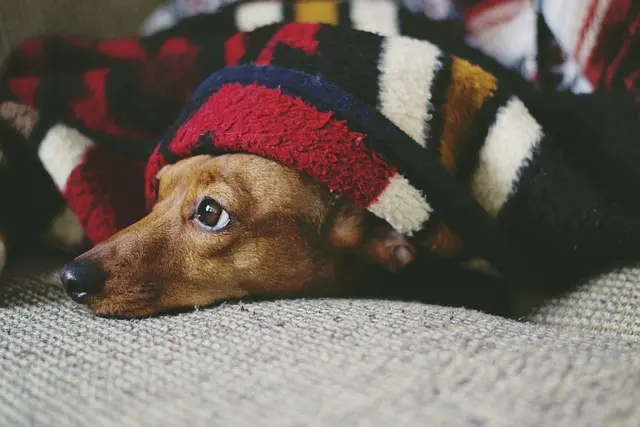
Having a dedicated space in your home for your pet helps them feel secure. This area should be cozy and comfortable, with a bed, toys, and safe chewing materials. An established ‘safe zone’ can also help reduce anxiety during stressful situations such as thunderstorms or fireworks. Aspiring pet owners can refer to guidelines set by PetMD, which emphasize the positive impact of a tranquil space on a pet’s mental health.

PawHut Turtle Tank Kit with Basking Platform, Water Pump, Filter, Easy Clean Reptile Habitat Aosom.com
aosom.com


3. Ensuring Secure Outdoor Spaces
For pets that enjoy outdoor time, it’s vital to ensure their safety while outside. Fencing is a common way to secure your yard, but be sure it is high enough and lacks gaps that pets can escape through. The Humane Society recommends fences that are at least six feet high for larger breeds. Regularly check your yard for escape routes, and never leave pets unattended outdoors.
4. Pet-Proofing Basics
Pet-proofing your home involves several straightforward practices. Remove small objects that could be swallowed and secure heavy items that could fall. Use baby gates to restrict access to certain areas and ensure that windows and balconies are pet-proofed. According to a survey by American Animal Hospital Association (AAHA), nearly 36% of pet owners reported having a pet that got injured or ill due to a household hazard. Thus, it’s wise to take preventative measures before issues arise.
5. Utilize Quality Products
Investing in quality pet products can significantly improve the safety of your pet's habitat. Consider purchasing non-toxic toys and durable bedding that don't contain harmful materials. When selecting food storage options, look for containers that are airtight to prevent spoilage and pests. Our recommendations below feature suitable options for these needs.
6. Regular Veterinary Care
Regular check-ups with a veterinarian are essential for maintaining your pet's health. Early detection of health issues can prevent serious complications and keep your pet safe. A survey by the American Veterinary Medical Association indicates that pets who regularly visit the vet have a higher quality of life and experience fewer health problems. Schedule annual visits and stay updated on vaccinations, parasites, and dietary needs.

OU - Glass Food Storage Container Set 36pc with Microwave Valve (set of 18) Microwave & Freezer Safe
bestbuy.com

OU - Glass Food Storage Container Set, Airtight Lid w Microwave Valve 8pc (set of 4) Microwave Safe
bestbuy.com

OU - Glass Food Storage Container Set 12pc (set of 6) Airtight Lid w Microwave Valve, Microwave Safe
bestbuy.com
7. Emergency Preparedness
Prepare for emergencies by having a pet first aid kit. Include items such as bandages, antiseptic wipes, and a list of emergency contacts, including your veterinarian's phone number. Consider creating an emergency plan that outlines the steps you’ll take in case of disaster, such as evacuation routes and boarding options. Ready.gov offers excellent resources for pet owners to ensure their pets are safe during emergencies.
8. Behavioral Training
Training your pet on obedience not only fosters good behavior but also enhances safety. Teach commands like “come” and “stay” to prevent dangerous situations, especially in public settings. Obedience training creates a bond of trust between you and your pet. Organizations like ASPCA and K9training provide guidelines and resources for effective training programs, helping create a secure environment for your pet.
9. Socialization Opportunities
Socializing your pet is just as important as physical care. Introduce your pet to various environments, other animals, and people. Gradual exposure helps them adapt and feel comfortable in different situations. According to the American Kennel Club, pets that are well-socialized tend to exhibit fewer behavioral issues. Attend pet-friendly events, and consider doggy daycare for social interaction.
10. Checklist for a Safe Habitat
Creating a safe habitat for your pets can be summarized with a simple checklist. Ensuring you have all bases covered can solidify the foundation of a secure environment for your furry or scaly friends.
Checklist
- [ ] Conduct a home hazard assessment.
- [ ] Create a designated safe space for your pet.
- [ ] Secure outdoor spaces with proper fencing.
- [ ] Pet-proof your home by removing hazards.
- [ ] Invest in quality pet products and toys.
- [ ] Schedule regular veterinary checks.
- [ ] Prepare an emergency plan and first aid kit.
- [ ] Train your pet in obedience and safety commands.
- [ ] Foster socialization opportunities.
Conclusion
Ensuring a safe habitat for pets involves thorough planning and care. By following these 10 essential tips, you can create a secure and nurturing environment that promotes the well-being of your beloved pets.
💡 Avis d'expert : Une étude récente de UFC-Que Choisir recommande de toujours surveiller le comportement de votre animal pour identifier rapidement tout changement pouvant signaler un problème de santé.
📺 Pour aller plus loin :
Discover how to create a pet-friendly environment. Search on YouTube: creating a pet habitat safety 2026.
Glossaire
| Terme | Définition |
|---|---|
| Pet-proofing | La pratique de sécuriser votre maison pour empêcher un animal de compagnie d'accéder à des dangers potentiels. |
| Socialisation | Le processus d'exposition d'un animal à différents environnements, personnes et animaux pour encourager un comportement calme et amical. |
| Obéissance | L'ensemble des commandes que l'on enseigne à un animal pour assurer sa sécurité et le contrôle de son comportement. |
Checklist avant achat
- [ ] Vérifier le critère de sécurité de la maison.
- [ ] Choisir un espace dédié pour votre animal.
- [ ] Assurer que le matériel et les jouets sont sûrs.
- [ ] Rechercher des options de soins vétérinaires adaptés.
- [ ] Évaluer les besoins en formation de votre animal.
📺 Pour aller plus loin : creating a pet habitat safety 2026 sur YouTube
Recommended products
Selected by our experts


Safety 1st Mercury Strollerette Compact Stroller - Mercury - Size: One Size
kohls.com

Pawhut - Dog Stroller, Pet Stroller 3 Wheels with Easy One-Hand Fold, Rubber Wheels, Storage Bag, Soft Cushion, Safety Leash
bestbuy.com