Table of Contents (15 sections)
- 1. Understanding the Importance of Play
- 2. Choosing the Right Toys
- 3. Scheduled Playtime
- 4. Interactive Games
- 5. Training Through Play
- 6. Engaging Environment
- 7. Rotating Toys
- 8. Playing with Other Dogs
- 9. DIY Toys
- 10. Safety Precautions
- ## FAQs
- ## Glossary
- ## Checklist for Engaging Playtime
- ## Additional Resources
1. Understanding the Importance of Play
Play is fundamental to a dog’s well-being and integral to their overall happiness. Engaging in playtime not only fulfills your dog’s natural instincts to chase, bite, and retrieve, but it also promotes physical fitness. According to studies from the American Kennel Club (AKC), dogs that engage in regular play are more balanced, less anxious, and experience lower levels of stress, providing significant mental stimulation as well. Furthermore, playtime fosters a stronger bond between you and your furry friend, essential for obedience and trust.
2. Choosing the Right Toys
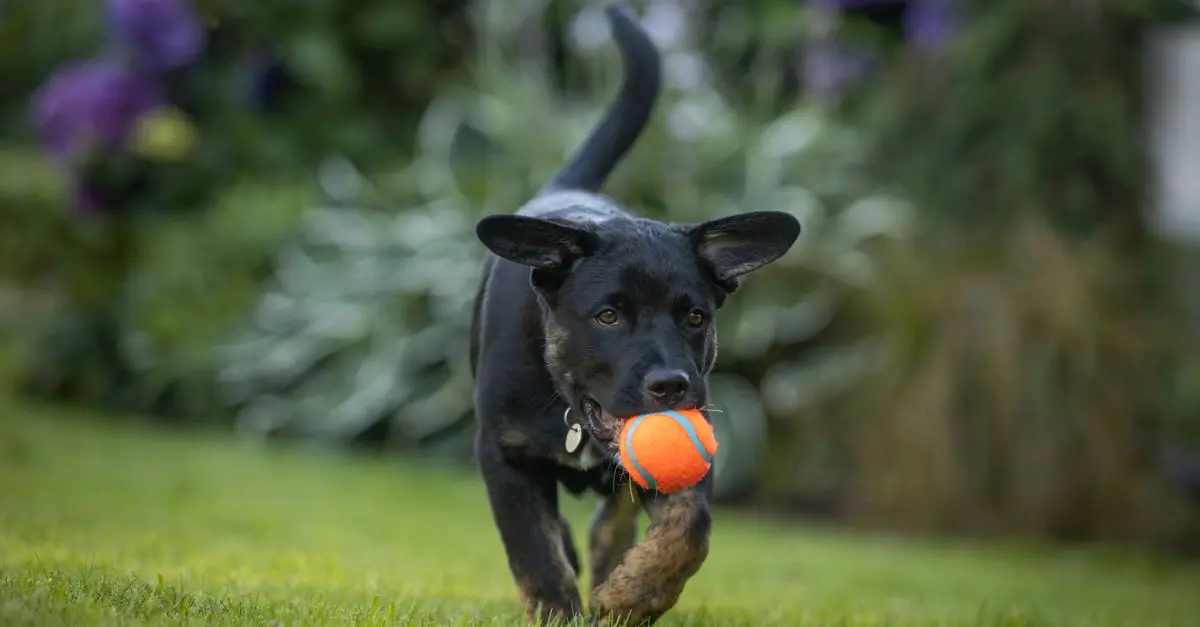
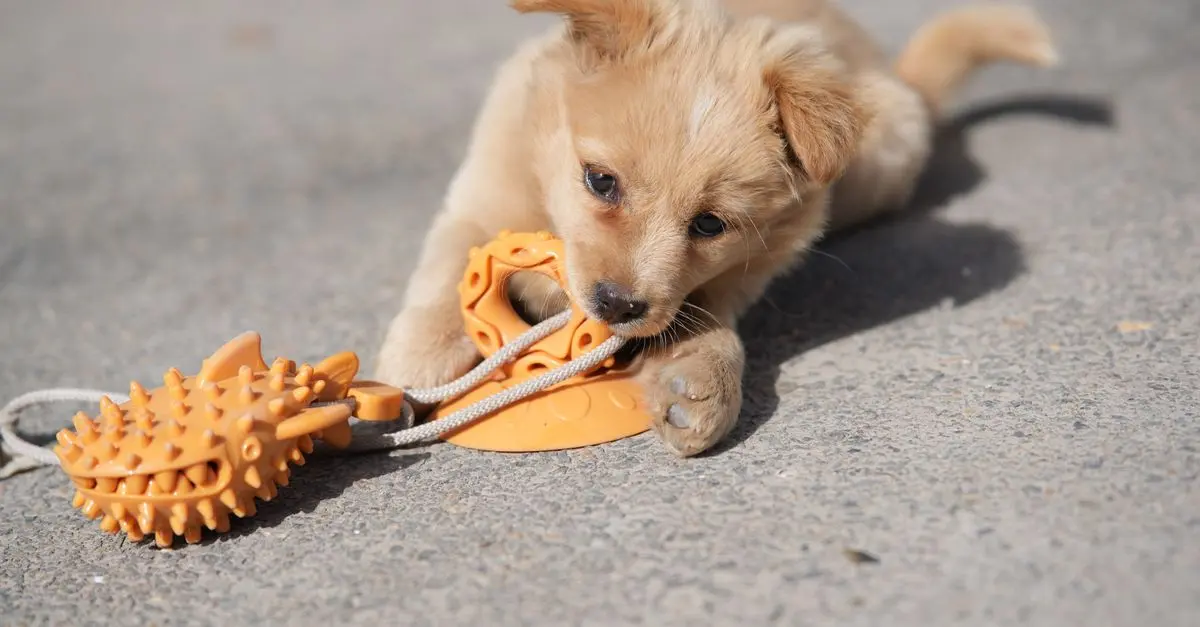
Selecting the appropriate toys is crucial for engaging dog playtime. Consider your dog's size, breed, and play style when choosing toys. For instance, a fetching enthusiast might benefit from durable balls or flying discs, whereas a chewer might prefer sturdy chew toys. Flexible toys that can be stuffed with treats can also keep dogs occupied longer. Safety considerations are important too; always ensure toys are non-toxic and suitable for your dog's size to avoid choking hazards. In our catalog, we have selected several toys that encourage active play and interaction.


3. Scheduled Playtime
Establish a consistent schedule for playtime to instill routine and anticipation in your dog. Dogs thrive on routine, and knowing when playtime will occur can reduce anxiety and help channel energy. Aim for two or three engaging sessions per day, each lasting about 20 to 30 minutes. This structure not only keeps your dog mentally and physically stimulated but also encourages them to engage more during play. Setting aside this dedicated time fosters your bond as your dog learns to look forward to fun moments with you.
4. Interactive Games
Playing interactive games with your dog can enhance cognitive skills and reinforce positive behaviors. Games like hide and seek can be particularly engaging—either hiding yourself or hiding toys for your dog to search out. Additionally, puzzle toys that require problem-solving can stimulate your dog’s mind and keep them engaged for longer periods. Interactive play encourages teamwork and trust, both vital for a healthy relationship between you and your dog.
5. Training Through Play
Incorporating training into play is an effective method to reinforce commands while keeping your dog entertained. Use play as a reward, encouraging your dog to perform tricks or commands before rewarding them with play. This method helps establish good behavior while allowing for a fun and engaging atmosphere. According to the Association of Professional Dog Trainers (APDT), play-based training has shown to be particularly effective in building a dog’s confidence and obedience.
6. Engaging Environment
Transform your surroundings into an engaging environment for your dog. Utilize different spaces in your home or yard for play, adding variety to your sessions. Outdoor play can introduce new scents and sounds, enriching your dog's sensory experience. Incorporating obstacles or agility equipment can challenge your dog physically and mentally, stimulating their interest and concentration.
7. Rotating Toys
To keep things fresh and exciting, rotate your dog's toys regularly. By introducing different toys every few weeks, you can maintain your dog's interest and excitement during playtime. This strategy leverages the concept of novelty, as dogs often become bored with the same toys over time. Observations from pet owners suggest that rotating toys can make previously uninteresting items suddenly appealing again.
8. Playing with Other Dogs
Facilitating opportunities for your dog to socialize and play with other dogs can greatly enhance their play experience. This promotes healthy social behaviors and allows them to learn from their canine companions. Whether through playdates or visits to dog parks, engaging with peers can help your dog develop critical social skills that are essential for their overall development. Always supervise interactions to ensure safety and fun for all involved.
9. DIY Toys
Creating your own toys can not only save money but can also foster creativity and engagement. Simple items like old t-shirts can be braided to form durable tug toys, or plastic bottles can be transformed into interactive toys by filling them with treats. Many pet owners have found joy in crafting DIY toys. According to a survey from PetMD, 85% of pet owners reported their dogs loved home-made toys just as much as store-bought versions.
10. Safety Precautions
Safety should always be a priority during playtime. Inspect toys regularly for wear and tear, ensuring they remain safe for your dog. Additionally, pay attention to your dog’s energy levels and behavior—if you notice signs of exhaustion or aggression, it may be time to take a break. Being aware of your surroundings to avoid hazards, like sharp objects or chemicals, is also crucial for a safe play environment. Ensuring your dog stays hydrated and protected from extreme temperatures is another important consideration during outdoor play.
FAQs
- Q: How can I tell if my dog is bored with playtime?
A: Signs of boredom may include disinterest in toys, lack of enthusiasm to play, or seeking attention outside of play.
- Q: How often should I play with my dog?
A: Try to engage your dog in play at least 2-3 times a day for best results to keep them mentally and physically stimulated.
- Q: What are the signs my dog wants to play?
A: Your dog may exhibit signs such as nudging you with their nose, barking, or bringing you toys they want to play with.
- Q: Can I involve my kids in playtime with my dog?
A: Absolutely! Involving children can enhance your dog’s engagement and promote family bonding while teaching kids about responsible pet ownership.
Glossary
| Terme | Définition |
|---|---|
| Enrichissement | Activités ou objets qui stimulent mentalement et physiquement un animal. |
| Socialisation | Processus d'adaptation d'un animal à différents individus, environnements et situations. |
| Routines | Séquences d'activités régulières qui aident à stabiliser le comportement d'un animal. |
Checklist for Engaging Playtime
- [ ] Choose appropriate toys for your dog's size and breed
- [ ] Schedule regular play sessions daily
- [ ] Incorporate interactive games into playtime
- [ ] Ensure a safe environment during play
- [ ] Rotate toys to maintain interest
- [ ] Engage with other dogs for social benefits
- [ ] Utilize DIY toys when possible
📺 Additional Resources
> 📺 To Learn More: The Importance of Engaging Playtime for Dogs, detailed insights into different ways to enhance play experiences with your pet. Search YouTube: engaging dog playtime tips.
📺 Pour aller plus loin : engaging dog playtime tips sur YouTube
Recommended products
Selected by our experts
Learn How to Create and Deliver Engaging Webinars
Alison US CA
This resource provides insights into organizing engaging activities that can help enrich your dog's playtime.
Engaging in Grief and Loss Support
Alison US CA
This training program can help you learn effective ways to incorporate play into your dog's routine.