Table of Contents (15 sections)
As pet owners, ensuring our furry friends are safe within the comfort of our homes is paramount. Understanding pet safety at home not only protects our pets but also enhances our overall peace of mind. Whether you have a playful puppy or a curious cat, knowing the risks and preventive measures can make a significant difference in your pet's quality of life. Here are ten essential tips to keep your beloved companions safe at home.
1. Secure Hazardous Areas
One of the first steps in enhancing pet safety at home is to secure areas that may pose risks. This includes cabinets containing cleaning supplies, medicines, or tools that can be harmful if ingested. Installing childproof locks can prevent pets from accessing these dangerous areas. Additionally, ensure that windows and balconies are secure and screened to prevent accidental falls or escapes. Pets are often curious by nature; hence, taking these precautions can significantly lower the risk of accidents. Consider setting up barriers, such as pet gates, to restrict their access to specific areas within your home that are not pet-friendly.
2. Manage Electrical Cords and Cables
Electrocution is a significant danger to pets, especially young and playful ones who enjoy chewing on objects they shouldn’t. To enhance safety, ensure that all electrical cords and cables are organized and out of reach. You can use cord protectors or sleeves to cover exposed wires. In addition, check that all electrical outlets have safety covers. According to studies, accidental electrocution in pets can lead to severe injuries or even death, making it crucial to eliminate this risk. Keeping cords neatly bundled and using cable ties can reduce the potential for accidents.

WHALL - Handheld Vacuum Cleaner, 8500PA Suction, Wet Dry Vacuum Cleaner Cordless with LED Light - White
bestbuy.com


Pawhut - Dog Stroller, Pet Stroller 3 Wheels with Easy One-Hand Fold, Rubber Wheels, Storage Bag, Soft Cushion, Safety Leash
bestbuy.com
3. Choose Safe Plants
Many indoor plants are toxic to pets, which can lead to various health issues, including gastrointestinal distress, lethargy, and more severe reactions. Some common plants known to be toxic include Pothos, Dieffenbachia, and Lily. Before bringing a new plant into your home, do thorough research to ensure it is pet-friendly. If you already have plants, consider relocating them to high shelves or places your pets cannot access. The ASPCA has a comprehensive list of toxic and non-toxic plants which can be a helpful resource for pet owners.
4. Use Safe Cleaning Products
The cleaning products we use often contain chemicals that are harmful to pets. Switching to pet-safe cleaning supplies is an essential step toward ensuring pet safety at home. Look for products that are labeled as non-toxic and safe for pets or consider making your own natural cleaning solutions using vinegar and baking soda. Always store cleaning agents in secure cabinets away from your pets to prevent accidental ingestion. It is vital to prioritize your pet’s well-being while maintaining a clean living space.
5. Set Up a Pet Safety Zone
Designate specific areas in your home as pet-safe zones. These spaces should be free from hazards, featuring soft bedding, toys, and access to food and water. This allows pets to have their safe haven where they can relax without fear of encountering dangerous items. This also encourages healthy boundaries for your pets, helping them to understand their space while provided with everything they need.
6. Monitor Food and Treats
Food safety is another area that requires attention to keep your pet safe at home. Ensure that all food items, including snacks, are stored securely in pet-proof containers. Certain human foods can be toxic to pets, such as chocolate, grapes, onions, and garlic. Learn about the harmful foods and ingredients to avoid in your pet's diet. Always consult your veterinarian for advice on the best diet for your pet and what treats are safe for them.

Safety 1st Mercury Strollerette Compact Stroller - Mercury - Size: One Size
kohls.com
7. Regular Vet Check-Ups
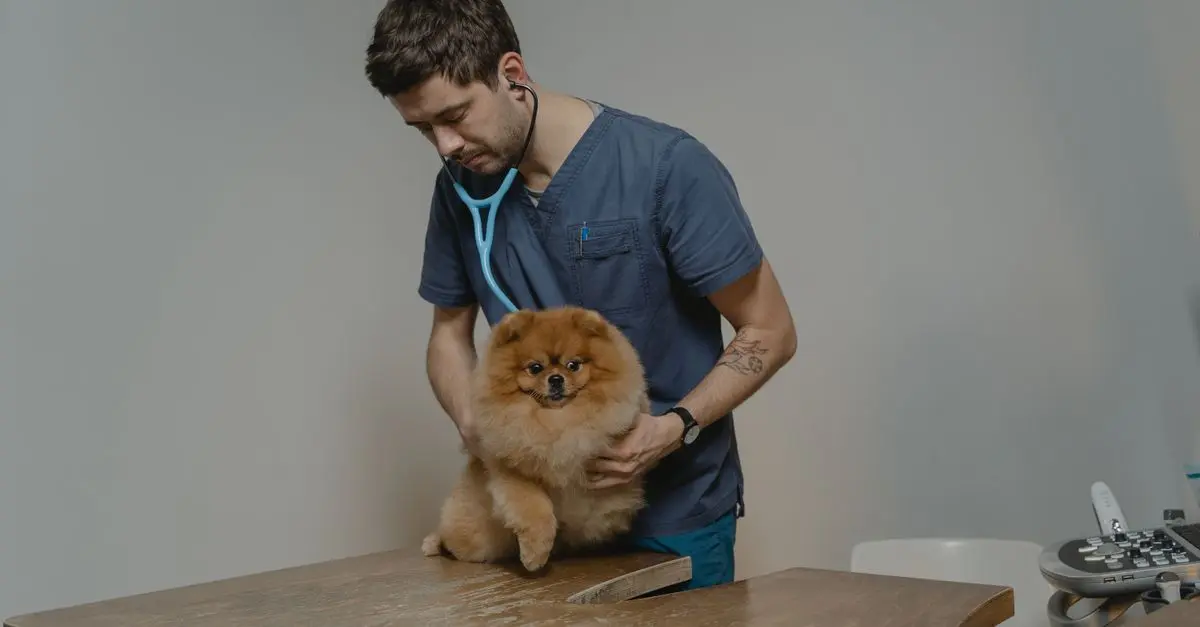
Regular veterinary visits are crucial for keeping your pets healthy and safe. Routine check-ups help catch potential health issues early on and can provide essential vaccinations and preventive care. According to the American Veterinary Medical Association, pets should have at least one visit per year for a comprehensive check-up, with more frequent visits for aging pets or those with pre-existing health conditions. This diligence helps detect any underlying issues before they become serious, contributing to maintaining excellent health and safety for your pet.
8. Securing Outdoor Spaces
If you have a yard, ensure that it's securely fenced to keep your pet within safe boundaries. Regularly check for any holes or weak spots in the fence. Outdoor safety also involves being mindful of potential hazards like toxic plants, chemicals from lawn care products, and wildlife that could pose a threat. If possible, supervise your pet while they are outside and train them to come when called. This will help prevent any unexpected wandering, ensuring a safe environment.
9. Keep Small Objects Out of Reach
Pets, especially puppies and kittens, are prone to chewing on or swallowing small items. Items like buttons, coins, and small toys can pose choking hazards or cause digestive issues if ingested. It's crucial to maintain a clutter-free environment, especially in pet-accessible areas. Regular cleaning and tidying can help eliminate potential dangers. When introducing new toys, always supervise your pets during playtime.
10. Create a Pet Emergency Kit
Just like humans, pets require emergency preparedness. Compile a pet emergency kit that includes essential items like their medical records, medications, food, water, and a first aid kit tailored for pets. Additionally, include items necessary for transportation, such as leashes and carriers. Familiarize yourself with local veterinarians and emergency animal clinics in case of a sudden health incident. Being prepared can significantly enhance pet safety at home during unexpected situations.
🧠 Quick Quiz: What is the most common household hazard for pets?
- A) Open windows
- B) Pets chewing on cords
- C) Unsafe cleaning products
Answer: C — Unsafe cleaning products are often overlooked risks that can cause serious health problems for pets.
Checklist before implementing safety measures
- [ ] Secure hazardous areas
- [ ] Manage electrical cords
- [ ] Choose safe plants
- [ ] Use pet-safe cleaning products
- [ ] Set up a pet safety zone
- [ ] Monitor food and treats
- [ ] Schedule regular vet check-ups
- [ ] Secure outdoor spaces
- [ ] Keep small objects out of reach
- [ ] Create a pet emergency kit
Glossary
| Term | Definition |
|---|---|
| Toxic Plants | Plants that can cause harm to pets when ingested, such as lilies and pothos. |
| Pet-Proofing | The act of modifying a home to reduce hazards and risks for pets. |
| Emergency Kit | A collection of essential items prepared for pets in case of emergencies or natural disasters. |
> 💡 Expert Opinion: Keeping an eye on your pet’s environment is as critical as monitoring their health. Simple measures can lead to a safer, more enjoyable life for your furry friends. Regular assessments of household hazards ensure you are one step ahead in protecting your beloved pet from unforeseen dangers.
📺 Further Resources: 10 Essential Pet Safety Tips at Home, an in-depth look at keeping your pets safe. Look for this video on YouTube: 10 pet safety tips indoor guide.
📺 Pour aller plus loin : 10 pet safety tips indoor guide sur YouTube
Recommended products
Selected by our experts


The Original Muck Boot Company Chore Men's Classic Safety Toe Boots 8 US Black 1 pair
acehardware.com