Table of Contents (16 sections)
Engaging dog playtime is vital for both mental and physical health. Dogs thrive on interaction and exercise, which can significantly influence their behavior and overall well-being. Studies indicate that regular playtime helps reduce anxiety, aggression, and destructive behaviors, while improving mood and promoting a stronger bond between you and your pet. Engaging your dog through play can also provide critical stimulation that keeps their minds sharp.
In fact, a survey by the American Kennel Club found that pet owners who engage in play with their dogs report higher satisfaction levels with their pets. Playtime isn’t just fun — it’s a crucial aspect of your dog’s development and happiness. Keeping this in mind will help you understand why regular, engaging play is essential for a happy pup.
1. Vary the Play Activities
Rotating Toys and Games
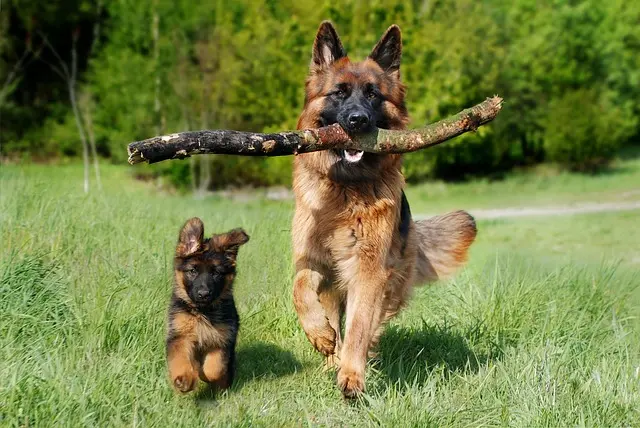
Variety is the spice of life, especially for dogs. Regularly changing the types of toys and activities keeps your dog interested and engaged. For instance, switch between fetch, tug-of-war, and puzzle toys that challenge them mentally. Different textures, shapes, and sizes in toys provide various stimulation experiences. A study from PetMD suggests that dogs can get bored with the same toy, leading to less motivation to play.
By introducing new toys or rotating older ones, you can maintain your dog's enthusiasm for play. You might consider interactive toys that dispense treats, as they can engage your dog's problem-solving skills. This variety not only keeps playtime fresh but also encourages dogs to explore and use their natural instincts.
2. Incorporate Training Sessions
Fun Meets Learning
Training should be a fun part of your dog's playtime. Incorporating commands and skills during play turns the experience into a productive one. For example, you can ask your dog to perform commands like sit, stay, or roll over before throwing a ball. This method reinforces good behavior while stimulating their minds.
Dr. Sophia Yin, a veterinary behaviorist, emphasizes that training is an excellent way to tire out dogs mentally. It can be fun and rewarding for both of you. Use tasty treats as rewards to encourage your pup and keep their attention focused on you during playtime.
3. Utilize Outdoor Spaces
Nature's Playground
Taking your dog to a park or a dog-friendly outdoor area provides an entirely different level of engagement. Outdoor spaces allow dogs to explore new smells, sights, and energies, contributing to their overall mental stimulation. According to the Canine Journal, dogs that experience different environments can develop better social skills and adaptability.
Make use of the space: play frisbee, set up agility courses, or simply let them run and socialize with other dogs. Remember to keep an eye on your dog’s energy levels and comfort, especially in crowded situations.
4. Create a Structured Routine
Consistency is Key
Dogs thrive on routine, so establishing a regular playtime schedule can greatly benefit your furry friend. A consistent routine helps them know when to expect play and can improve their behavior. Typically, shorter sessions (about 15 to 20 minutes) two to three times a day work best for many breeds, balancing energy and engagement.
This structure prevents overwhelming your dog, especially if they are especially energetic. Providing a reliable playtime gives them something to look forward to, which can be beneficial if your dog experiences separation anxiety.
5. Engage in Sensory Play
The Power of Smell
Dogs experience the world through their sense of smell. Incorporating scent-based activities can significantly enhance your dog's playtime. Hide treats around your home or yard and encourage your dog to sniff them out. Scent work challenges them mentally and taps into their natural instincts, giving them purpose and joy.
Research indicates that engaging dogs’ senses can reduce stress and anxiety. Incorporating sniff walks, where the goal is primarily to let your dog investigate, can turn a simple walk into an adventure.
📺 For Further Exploration:
Check out this video: [Engaging Play Techniques for Dogs], a comprehensive analysis of the best play strategies. Search on YouTube: engaging dog playtime 2026.
Comparison of Play Activities
| Activity Type | Mental Stimulation | Physical Exercise | Equipment Needed | Verdict |
|---|---|---|---|---|
| Fetch | Low | High | Ball | Great for energy release |
| Tug-of-war | Medium | Medium | Rope | Strengthens bonding |
| Puzzle toys | High | Low | Puzzle toy | Excellent for mental engagement |
| Hide and seek | High | Medium | None | Fun and engages instincts |
Checklist for Engaging Dog Playtime
- [ ] Rotate toys frequently
- [ ] Incorporate training in play
- [ ] Explore outdoor areas
- [ ] Establish a routine
- [ ] Include sensory play activities
- [ ] Monitor your dog’s interest
- [ ] Use treats as motivation
Glossary
| Term | Definition |
|---|---|
| Engaging Playtime | Activities that stimulate a dog's mind and body. |
| Mental Stimulation | Activities that challenge a dog's thinking or problem-solving abilities. |
| Routine | A consistent schedule for activities, promoting familiarity for dogs. |
We hope these tips help you create engaging playtime scenarios with your dog. Remember, the goal is to forge a lasting bond while ensuring your dog's happiness and health. Let the fun begin!
📺 Pour aller plus loin : engaging dog playtime 2026 sur YouTube