Table of Contents (10 sections)
Amphibians are fascinating creatures known for their ability to thrive in a variety of environments. Their habitats can range from lush tropical forests to arid deserts and even urban areas. Understanding these habitats is crucial as each species of amphibian has specific needs that must be met for survival.
The Importance of Moisture
Moisture is a critical component for amphibian habitats. Because amphibians have permeable skin, they rely on water to keep their skin hydrated and to facilitate respiration. Frogs, for instance, are often found near ponds, lakes, and rivers. These environments provide the necessary moisture and food sources such as insects and small fish. Additionally, they offer breeding grounds where frogs can lay their eggs.
Terrestrial vs Aquatic Habitats
Some amphibians are exclusively aquatic, while others are primarily terrestrial. Salamanders exhibit a range of habitat preferences; some like the spotted salamander favor moist deciduous forests, while others like the eastern newt thrive in water bodies like ponds and streams. This dual habitat requirement highlights the adaptability of amphibians and their dependency on both land and water environments.
Specialized Environments
Certain amphibian species have evolved to occupy specialized niches. The Crested Tree Frog, for example, is an arboreal species found in humid forests of Central and South America. They have adapted to life in trees, where they find both shelter and food. Such specialized habitat preferences underscore the diversity among amphibians and the evolutionary paths they have taken.
💡 Avis d'expert :
> The preservation of diverse habitats is vital for amphibian conservation. The loss of wetlands, deforestation, and climate change pose significant threats to amphibian populations worldwide. Conservation efforts must focus on protecting these habitats to ensure the survival of these sensitive creatures.
Amphibian Habitats: A Comparative Overview
To better understand amphibian habitats, let's compare different environments based on key criteria:
| Habitat Type | Moisture Level | Temperature Range | Common Species | Special Features |
|---|---|---|---|---|
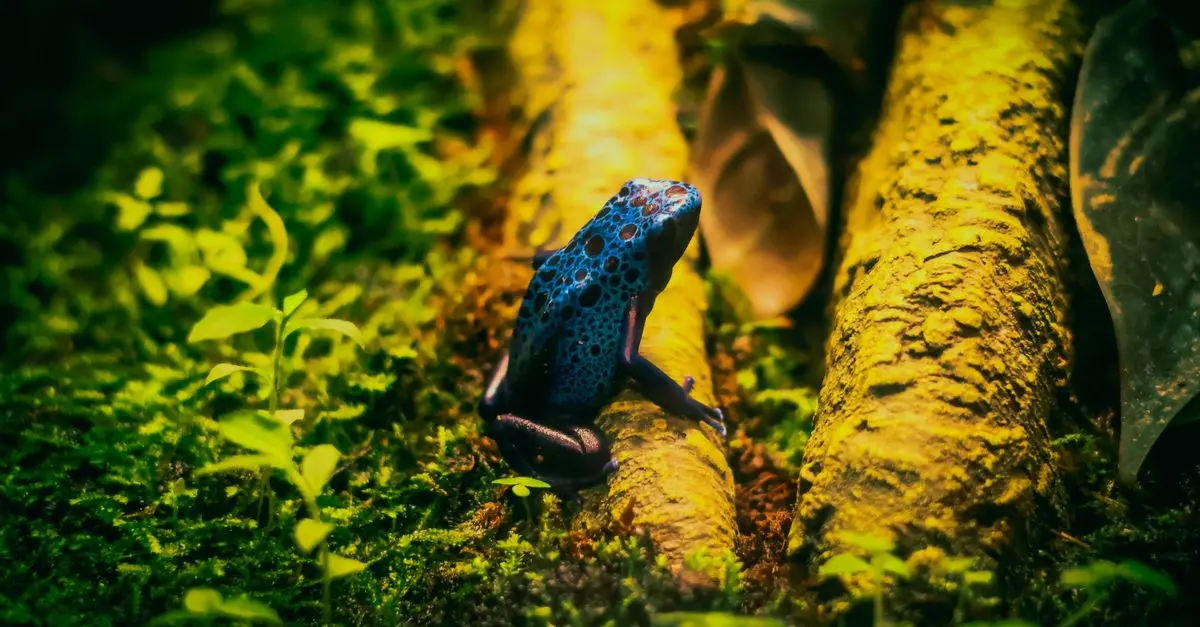
| Tropical Rainforest | High | 68-77°F (20-25°C) | Poison Dart Frogs | Dense canopy, high biodiversity |
| Deserts | Low | 60-100°F (15-38°C) | Spadefoot Toads | Sparse vegetation, extreme heat |
| Wetlands | High | 45-85°F (7-29°C) | Bullfrogs | Water-saturated, diverse flora |
| Montane Forests | Medium | 35-75°F (2-24°C) | Salamanders | High altitude, cool climate |
| Urban Environments | Variable | Variable | American Toads | Human-altered, adaptable |
- Why are amphibian populations declining?
Reasons for decline include habitat destruction, pollution, disease, and climate change. Efforts such as habitat restoration and pollution control are essential for conservation.
- How do amphibians adapt to urban environments?
Amphibians such as the American toad adapt by exploiting urban elements like gardens and parks that mimic natural habitats, providing food and breeding sites.
- What conservation efforts are effective for amphibians?
Creating protected areas, restoring wetlands, and mitigating climate change are critical efforts for amphibian conservation.
📺 Ressource Vidéo
> 📺 For further exploration: Understanding Amphibian Habitats, a deep dive into the ecological needs of these creatures. Search on YouTube: "amphibian habitat conservation"
Glossary
| Term | Definition |
|---|---|
| Ectothermic | Cold-blooded; relying on external heat sources for temperature regulation |
| Permeable Skin | The ability of skin to allow the passage of water and gases |
| Arboreal | Describes species that live in trees |
Checklist Before Engaging in Conservation
- [ ] Identify local amphibian species
- [ ] Research their specific habitat needs
- [ ] Support local conservation initiatives
- [ ] Educate about habitat preservation
- [ ] Participate in habitat restoration projects
This comprehensive understanding of amphibian habitats can empower individuals and communities to take actionable steps in conservation efforts.