Table of Contents (21 sections)
Understanding the Basics
Before you start a beehive, it’s crucial to understand what it involves. Beekeeping is not just a hobby but a commitment to maintaining the health of bees and the environment. Bees play a vital role in pollination, supporting both local plant life and agriculture on a larger scale. Knowing the ecosystem's significance helps reinforce your dedication and ensure proper care for the beehive.
Why Start a Beehive?
Starting a beehive may appeal to those interested in sustainability and biodiversity. It provides fresh honey and other byproducts like beeswax. Additionally, the act of beekeeping can be a meditative experience, connecting you with nature.
Step 1: Research and Preparation
Research is fundamental. Begin by reading books and articles on beekeeping to familiarize yourself with bees' needs and behaviors. Local beekeeper associations can be an invaluable resource. They offer workshops and a community ready to support beginners. It's essential to understand local laws regarding beekeeping, as regulations may differ by area.
Common Missteps
New beekeepers often underestimate the importance of learning the natural bee life cycle. This knowledge helps identify and solve problems early, preventing hive loss.
Step 2: Gather Essential Equipment
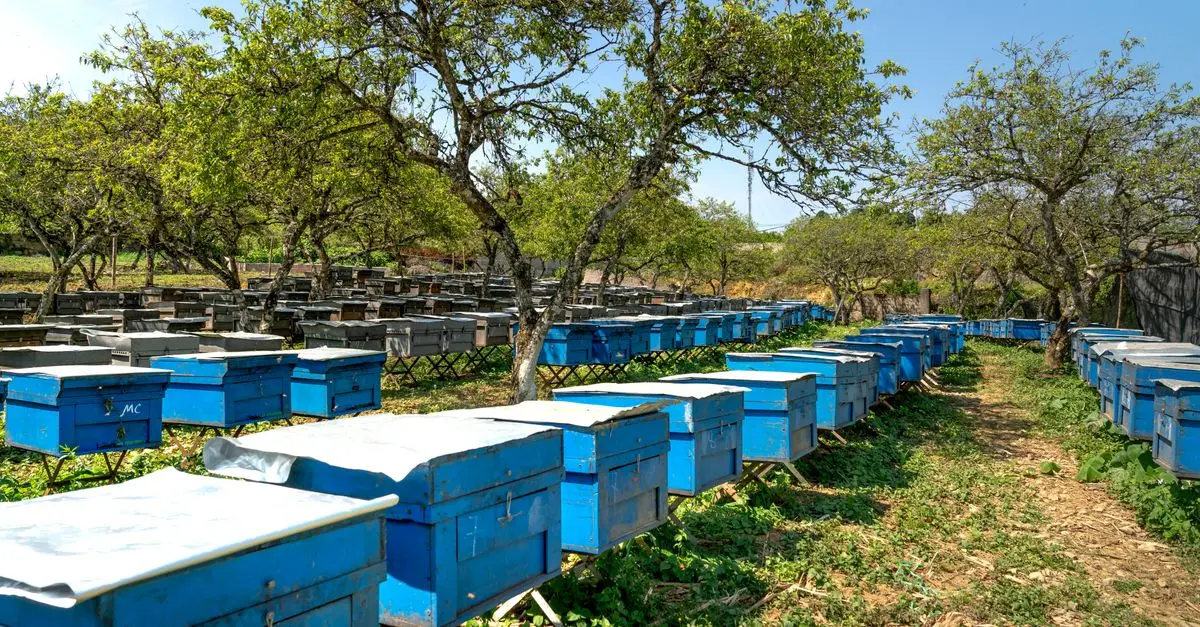
To start a beehive, you need specific equipment. Essential items include a hive, frames, a smoker, and protective clothing. Langstroth hives are widely recommended due to their modular design, making management easier for novices.
Pro Tip:
Invest in a quality smoker. It calms the bees, making it easier to perform hive maintenance without distressing them.
Step 3: Choosing the Right Location
The location of your beehive significantly impacts its success. Select a site with morning sunlight and afternoon shade. Ensure there’s access to a clean water source and that the area is sheltered from strong winds.
What to Avoid
Avoid placing hives in areas with chemical pesticides, which can harm or kill your bees.
Step 4: Installing the Bees
When your equipment and location are set, it's time to introduce the bees. Spring is ideal for starting, as flowers are plentiful. Order bees from reputable suppliers, ensuring they are healthy and suitable for your climate.
Installation Process
Transfer bees to the hive gently, avoiding sudden movements. Close the hive and allow them to acclimate to their new environment for a few days.
📺 Resource Video
📺 For more insights: Starting Your First Beehive: A Complete Tutorial, available on YouTube. Search for: "beginner's guide to starting a beehive"
Step 5: Regular Maintenance
Regular maintenance is crucial for a thriving beehive. Check for diseases, ensure the queen's activity, and monitor food supplies, especially during the winter months.
Observation Tips
Look for consistent cell construction and active foraging behavior as positive indicators.
Step 6: Honey Harvesting
Harvesting honey is a rewarding part of beekeeping. Use a honey extractor after the bees have had enough time to repair and refill the frames with honey.
Ethical Harvesting
Leave enough honey to sustain the hive through winter, preventing starvation.
Comparison of Hive Types
| Feature | Langstroth | Top-Bar | Warre |
|---|---|---|---|
| Suitability | Beginner | Advanced | Intermediate |
| Maintenance | Moderate | Low | High |
| Honey Yield | High | Medium | Low |
| Cost | $$ | $ | $$$ |
| Term | Definition |
|---|---|
| Beehive | A man-made structure in which bees live and raise their young. |
| Apiarist | A person who keeps and manages bees professionally. |
| Smoker | A tool used to puff smoke into the hive, calming the bees before inspections. |
- [ ] Research local beekeeping regulations
- [ ] Join a local beekeeping association
- [ ] Purchase equipment: hive, smoker, protective gear
- [ ] Select and prepare your site
- [ ] Order and install bees
- [ ] Schedule regular hive inspections
- [ ] Plan for honey extraction sessions
- What equipment do I need to start a beehive?
You will need a hive, frames, smoker, and protective clothing.
- How much does it cost to start beekeeping?
Initial investments can range from $200 to $500 depending on the equipment and bees.
- Do I need a license to keep bees?
Licensing depends on local regulations, so check with local authorities.
- When is the best time to start a beehive?
Early spring is ideal, aligning with natural bee cycles and food availability.
🧠 Quiz rapide :
🧠 Quiz rapide : How many types of hives are suitable for beginners?
- A) One
- B) Two
- C) Three
Réponse : B — Langstroth and Top-Bar hives are suitable for beginners.