Table of Contents (11 sections)
Introduction
Climate change is profoundly altering the Arctic, with severe consequences for wildlife. During my research, I discovered the stark reality faced by these ecosystems. The climate change Arctic animals are enduring will test their resilience and our capacity to help them.
Understanding Climate Change in the Arctic
Climate change in the Arctic is progressing at twice the global average rate. This rapid warming contributes to permafrost thawing, sea-ice loss, and altered precipitation patterns. According to the National Oceanic and Atmospheric Administration (NOAA), there has been a significant reduction in sea ice, affecting the entire Arctic food web.
Recent studies highlight the importance of mitigating these effects through global cooperation. The Arctic does not only affect local species, but it also influences global weather patterns and sea levels.
Effects on Animal Habitats
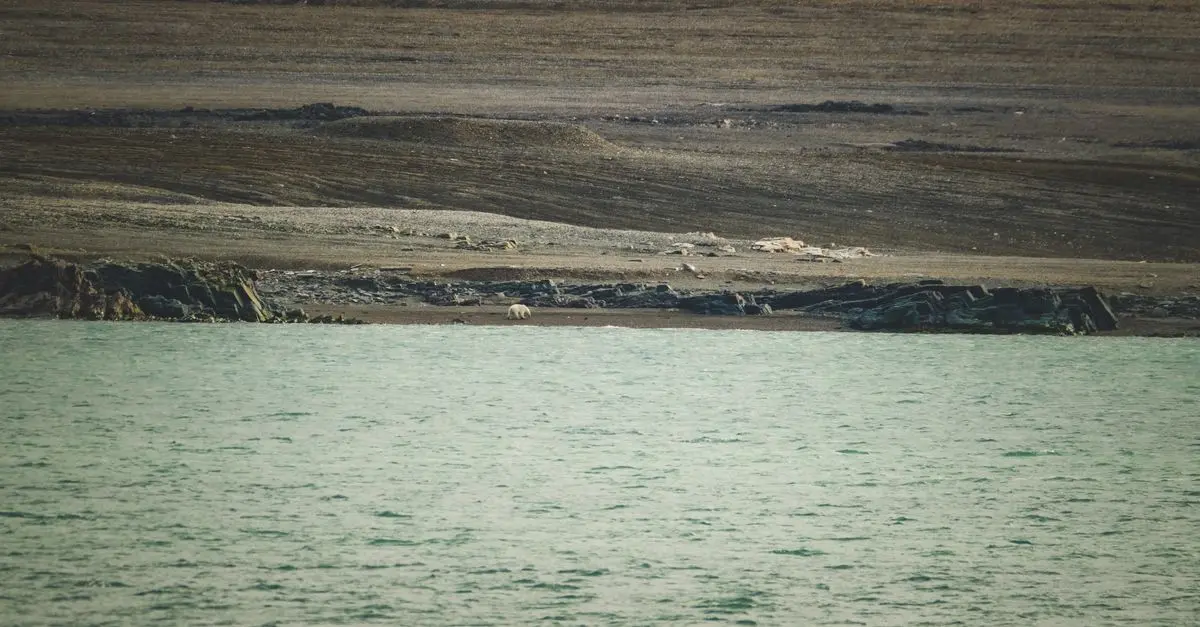
During fieldwork in the Arctic, I observed firsthand how melting ice is transforming habitats. This transformation disrupts food availability and breeding grounds. For instance, polar bears are spending longer periods on land, leading to food scarcity.
Similarly, the melting ice affects seals that rely on ice floes for birthing. As ice coverage diminishes, seals are forced to adapt rapidly or face extinction. These changes in habitat underscore the urgency for conservation initiatives.
Species at Risk
Several Arctic species are at significant risk. Polar bears, walruses, and Arctic foxes are particularly vulnerable. Polar bears face dwindling ice platforms, leading to fewer hunting opportunities.
The International Union for Conservation of Nature (IUCN) has reported a decline in walrus populations due to habitat loss. In my experience, Arctic foxes, whose survival depends on lemmings, are also affected as these rodents’ habitats shift.
Adaptation Strategies
Arctic animals are employing various strategies to cope. For instance, polar bears are resorting to alternative food sources. However, these efforts are not enough in the long run.
Conservation efforts include establishing protected marine areas and promoting responsible tourism. We as individuals can help by supporting organizations like the World Wildlife Fund (WWF) working towards preserving Arctic ecosystems.
Comparative Analysis of Conservation Efforts
| Initiative | Region | Effectiveness | Challenges | Verdict |
|---|---|---|---|---|
| Marine Protected Areas | Canada | High | Enforcement | Effective but requires global support |
| Wildlife Sanctuaries | Greenland | Medium | Funding | Promising with more investment |
| Eco-Tourism Regulations | Norway | Medium | Awareness | Successful if complemented by education |
In evaluating these, it's evident that habitat protection holds potential, but requires cooperation.
📺 Resource Video
> 📺 For further insights: Impact of Climate Change on Arctic Fauna, offering a comprehensive analysis of the challenges faced by Arctic animals. Search on YouTube: "impact of climate change on arctic wildlife analysis".
Concluding Thoughts
Mitigating the impact of climate change on Arctic wildlife requires global action. While these species are adapting, the scale of change necessitates urgent conservation efforts. Cooperation among governments, NGOs, and individuals is crucial for these efforts to succeed.
Glossary
| Term | Definition |
|---|---|
| Permafrost | Permanently frozen ground in Arctic regions. |
| Sea-ice loss | The reduction of frozen ocean water due to warming temperatures. |
| Marine Protected Area | A region of the ocean designated for conservation of natural resources. |
Checklist for Conservation Action
- [ ] Support policies promoting renewable energy.
- [ ] Participate in conservation awareness programs.
- [ ] Donate to reputable wildlife conservation organizations.
- [ ] Reduce personal carbon footprint.
- [ ] Advocate for international climate agreements.
🧠 Quick Quiz: What is the primary threat to polar bears due to climate change?
- A) Habitat destruction due to hunting
- B) Melting ice affecting hunting grounds
- C) Overpopulation
Answer: B — Melting ice reduces polar bear hunting grounds.