Table of Contents (11 sections)
The Rise of Exotic Pets
The allure of exotic pets has captured the imagination of many pet enthusiasts. Unlike traditional pets, exotic animals bring a sense of adventure and a unique dynamic to home environments. This trend has been on the upswing, with many people seeking out these unusual companions for their distinctive characteristics and the charm of owning something out of the ordinary.
According to a study by Statista, the exotic pet market has seen a steady growth rate of 8% annually. This surge can be attributed to the increasing availability of exotic species through breeders and online platforms. Social media also plays a significant role, with influencers showcasing their charismatic exotic pets, fueling public interest. By 2026, it’s estimated that exotic pets will make up about 25% of total pet ownership in the US.
However, the rise in popularity also brings challenges. Prospective owners must be aware of the responsibility and potential environmental impact that owning such pets entails. Understanding these facets is crucial as it affects both the pet's welfare and the owner's experience.
Navigating Legality and Regulation
Exotic pet ownership is tightly regulated. Owners must navigate a complex landscape of federal, state, and local laws, which vary significantly across regions. In the US, the Lacey Act is a crucial piece of legislation that governs the trade of wildlife and plants.
For instance, while some states allow a range of exotic pets, others have strict bans or require special permits. The legality of owning species like sugar gliders or large reptiles, for example, can differ drastically from one state to another. This is largely due to concerns about invasive species and potential harm to local ecosystems.
Navigating these laws is essential for anyone considering an exotic pet. Consulting with local wildlife authorities or legal experts is advisable to ensure compliance. When misunderstood or ignored, these regulations can lead to significant legal ramifications and ethical dilemmas.
💡 Expert Opinion: The Animal Welfare Institute emphasizes the importance of understanding the ecological implications of exotic pet ownership. Their research suggests that improper regulation can lead to negative consequences for both wildlife and ecosystems.
Health and Care Requirements
Owning an exotic pet entails a commitment to catering to their specific care needs. Many exotic species have unique dietary requirements and may require specialized veterinary care that can be hard to find.
Reptile Magazine notes that proper habitat setup, including temperature, humidity, and lighting, is critical for the welfare of species like reptiles and amphibians. Inadequate care can lead to stress and health issues, which are often preventable with proper education and preparation.
Moreover, owning an exotic pet often necessitates a significant investment in time and resources. Prospective owners should be prepared for a steep learning curve as they gain the necessary knowledge to keep their pet healthy and happy.
Exotic Pets and Conservation
Interestingly, the rise in owning exotic pets has spurred debates around conservation. Some believe that responsibly managed breeding programs can alleviate pressure on wild populations and contribute to the conservation of endangered species.
However, this view is contested. Wildlife conservationists caution against the risks of irresponsible breeding and potential negative impacts on biodiversity when pets escape or are released into non-native environments. Striking a balance between owning exotic pets and supporting conservation efforts is a nuanced and ongoing dialogue.
Engagement with accredited zoos or conservation programs can offer alternative ways to support these efforts. By participating in educational programs or supporting conservation initiatives, exotic pet enthusiasts can contribute positively to both their pets and the broader ecosystem.
Market Trends in 2026
The exotic pet market in 2026 is shaped by dynamic forces of demand, innovation, and regulation. The integration of technology in pet care, such as smart habitat systems, has made keeping exotic pets easier and more efficient.
Market trends indicate a growing demand for micro-exotic pets—small-sized exotic pets that fit well into urban living situations. According to Pet Business Magazine, this segment is projected to grow by 15% in the next five years, driven largely by younger pet owners seeking manageable companions.
In response, companies like ExoticDirect have expanded their offerings to include more small-scale exotic pets, catering to urban pet enthusiasts who may lack space. This shift reflects broader societal trends towards minimalism and sustainability in pet ownership.
📺 Resource Video
📺 For more on the topic: The Untold Secrets of Owning Exotic Pets, available on YouTube. Search for: "exotic pet ownership guide 2026".
Comparative Analysis of Popular Exotic Pets
| Species | Legal Restrictions | Average Lifespan | Care Complexity | Cost Range |
|---|---|---|---|---|
| Sugar Glider | Varies by state | 10-15 years | Medium | $200 - $500 |
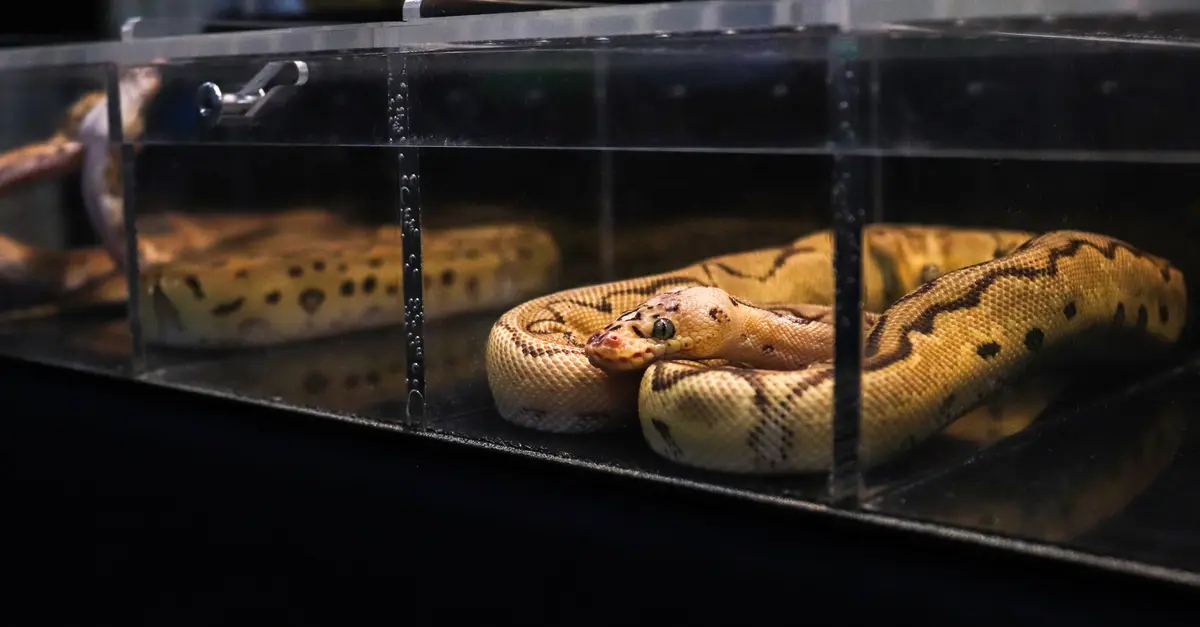
| Ball Python | Permits required | 20-30 years | Low | $50 - $300 |
| Chinchilla | Some bans | 10-20 years | High | $100 - $350 |
| Tortoise | Varies | 50-100 years | High | $100 - $1000 |
- What are the most popular exotic pets in 2026?
Sugar gliders, ball pythons, chinchillas, and tortoises are among the top choices.
- Are exotic pets legal everywhere?
No, legality varies by state and local regulations, often requiring permits.
- What are the costs associated with caring for exotic pets?
Costs vary widely based on species, ranging from habitat setup to ongoing veterinary care.
- How do exotic pets affect conservation efforts?
When managed responsibly, they can help conservation, but risks exist with irresponsible breeding.
Glossary
| Terme | Définition |
|---|---|
| Exotic Pet | Non-traditional pets typically from foreign regions. |
| Lacey Act | US law regulating trade of wildlife/plants. |
| Invasive Species | Species causing harm to ecosystems where non-native. |
Checklist Before Owning an Exotic Pet
- [ ] Research legal requirements in your area
- [ ] Assess costs of care and habitat setup
- [ ] Identify a local exotic animal veterinarian
- [ ] Understand the specific dietary needs of the pet
- [ ] Evaluate long-term commitment responsibilities
🧠 Quiz rapide : What is the average lifespan of a ball python?
- A) 10-15 years
- B) 20-30 years
- C) 30-40 years
Réponse : B — Ball pythons can live for 20-30 years with proper care.