Table of Contents (11 sections)
Fostering kittens can be a profoundly rewarding experience, especially for those who love animals and wish to provide care for them. Whether you're nurturing them until they find a permanent home or simply wish to offer a temporary sanctuary, this guide will help you start on the right paw.
1. Preparing a Safe Space
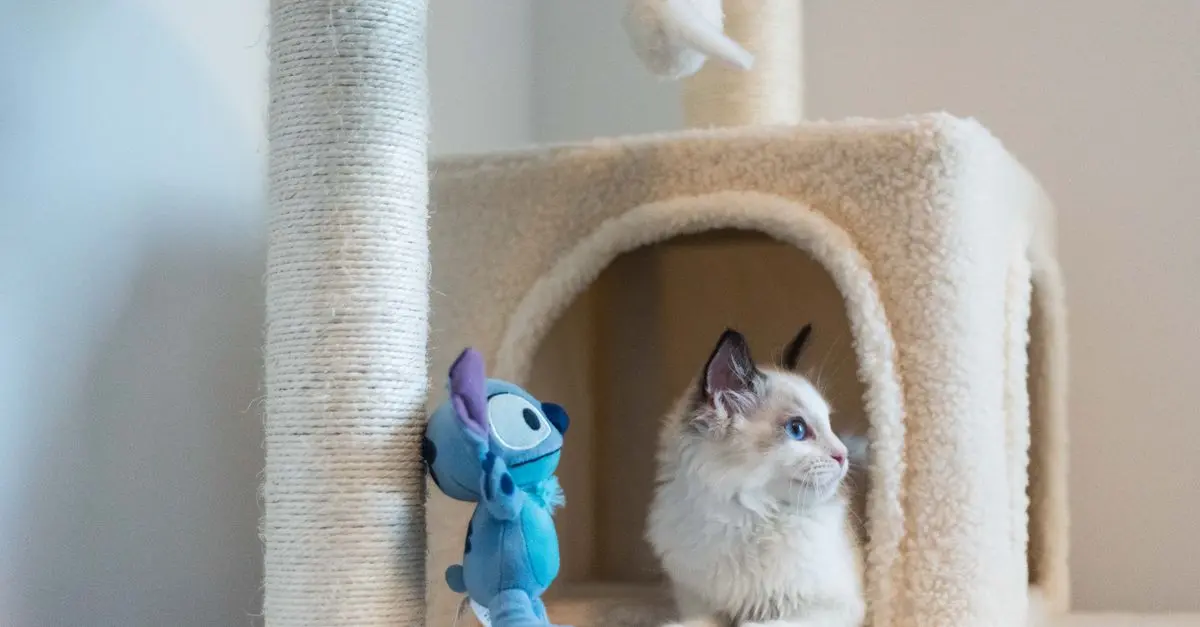
Before bringing your foster kittens home, it's essential to prepare a dedicated safe space. This area should be quiet, warm, and free from hazards like electrical cords or small objects they might swallow. Use a large crate or a small room equipped with a comfortable bed, litter box, and some toys. Make sure the environment is free from areas where kittens can become stuck or injured.
2. Understanding Kitten Nutrition
Fostered kittens often vary significantly in age, impacting their nutritional needs. For newborn kittens, you will need kitten formula and a feeding bottle if they are not with their mother. As they grow, you can introduce wet kitten food and gradually transition to dry food. Ensure fresh water is always available. Remember, kittens have small stomachs, so feeding them frequently in small amounts is crucial.
3. Maintaining Proper Hygiene
Hygiene is vital when fostering kittens to prevent disease and infection. Regularly clean their litter box and feeding areas. Wash your hands before handling the kittens, especially if interacting with other animals or people. A consistent cleaning routine helps to ensure their environment remains healthy and promotes their well-being.
4. Socialization and Playtime
Socializing young kittens is vital for their development. Spend time with them daily to help them become comfortable with human interaction. Playtime is not just fun; it's essential for their physical and cognitive development. Use toys like feather wands or balls to encourage play while keeping direct contact to a minimum to prevent scratches.
5. Monitoring Health & Growth
Regularly monitoring the health and growth of your foster kittens is necessary. Keep an eye out for signs such as lethargy, lack of appetite, or respiratory issues, which might require veterinary attention. Weigh the kittens weekly and track their growth to ensure they are developing according to their age standards.
6. Preparing for Adoption
As the kittens grow and develop social skills, helping them find their forever homes becomes a rewarding task. Provide potential adopters with all the information they need about the kittens, including their healthcare history and personality traits.
📺 Resource Video
> 📺 For more insights: How to Care for Foster Kittens, a comprehensive analysis on fostering. Search on YouTube: "fostering kittens tutorial for beginners".
Comparison of Kitten Supplies
| Item | Essential | Optional | Not Needed |
|---|---|---|---|
| Kitten Formula | Yes | ||
| Wet Kitten Food | Yes | ||
| Toys and Enrichment | Yes | ||
| Litter Box | Yes |
Glossary
| Term | Definition |
|---|---|
| Enclosure | A confined space designed for kittens' safety |
| Socialization | Process of acclimating kittens to human contact |
| Weaning | Transition from milk to solid foods |
Checklist for Fostering Kittens
- [ ] Prepare a safe living area
- [ ] Have age-appropriate food ready
- [ ] Set a schedule for feeding and cleaning
- [ ] Regularly check health and growth
- [ ] Begin socialization practices
🧠 Quick Quiz: What's a critical step before picking up your foster kittens?
- A) Ensuring you have toys
- B) Preparing a safe space
- C) Researching kitten breeds
Answer: B — A safe space is vital to ensure their well-being.