Table of Contents (9 sections)
Understanding Animal Adaptation
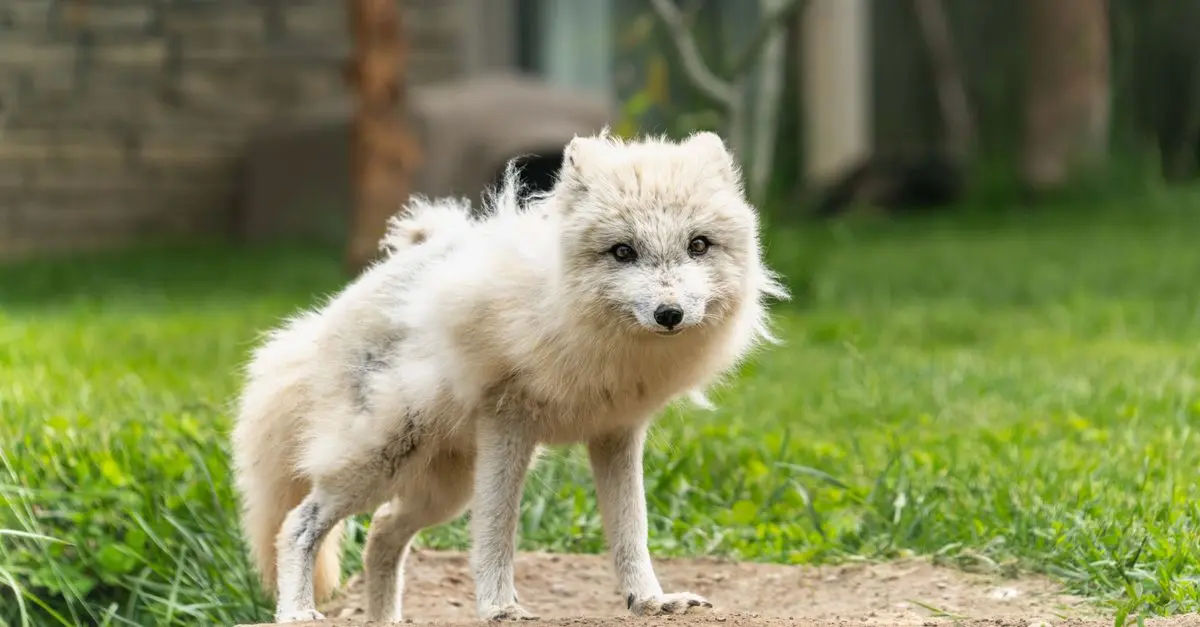
Animal adaptation refers to the process by which animals evolve traits to survive in their respective environments. These adaptations can be structural, behavioral, or physiological, allowing animals to thrive in diverse habitats. For example, the waxy coating on the leaves of succulents helps prevent water loss in arid regions. Similarly, the Arctic fox's thick fur insulates against harsh cold environments.
Adaptations arise over generations through natural selection, where beneficial traits become more common. This process ensures species can cope with climatic changes, predators, and resource availability. According to the National Geographic Society, understanding these adaptations offers insights into the resilience and evolution of wildlife Source: National Geographic.
Types of Adaptations
Animals exhibit various adaptations that enhance their survival in specific environments. Structural adaptations involve physical features such as a bird’s beak shape or the webbed feet of ducks. Behavioral adaptations include migration, hibernation, and nocturnal living to avoid predators and harsh conditions.
Physiological adaptations involve internal body processes. For example, camels can regulate water usage to survive long periods without water. Smithsonian Magazine highlights these adaptations, noting their importance in survival and reproduction Source: Smithsonian Magazine.
How to Observe Animal Adaptations
Observing animal adaptations can be an exciting endeavor. Begin by selecting a specific environment like a wetland or rainforest. Pay attention to the local fauna, noting any unusual behavior or features. Keep a journal to record these observations, comparing them with known data from wildlife organizations.
Websites like iNaturalist can provide a community-driven insight into animal behaviors and adaptations in specific areas. Engage with local wildlife experts or join guided tours led by naturalists to deepen your understanding.
Comparative Analysis of Adaptations
Below is a table comparing structural, behavioral, and physiological adaptations in animals:
| Adaptation Type | Example A | Example B | Outcome |
|---|---|---|---|
| Structural | Long neck of giraffes | Webbed feet of penguins | Feeding from high trees |
| Behavioral | Bird migration | Bat echolocation | Avoiding predators |
| Physiological | Camel water retention | Snake venom production | Surviving dehydration |
📺 Resource Video
> 📺 For further exploration: The Amazing World of Animal Adaptations, a comprehensive analysis of how animals survive. Search on YouTube: "animal adaptation documentary"
- What is animal adaptation?
Animal adaptation is the evolutionary process that enables animals to survive in their environments through changes in physical structure, behavior, or physiology.
- Why is adaptation important for animals?
Adaptation is crucial as it allows animals to thrive in changing environments, evade predators, and utilize available resources.
- How do structural adaptations benefit animals?
Structural adaptations, such as the long necks of giraffes, help animals acquire food and evade predators efficiently.
- Can adaptations occur quickly?
Most adaptations occur over generations, although rapid adaptations can happen in rapidly changing environments.
Glossary
| Terme | Définition |
|---|---|
| Natural Selection | Process by which traits that enhance survival are passed on |
| Behavioral Adaptation | Changes in behavior aiding survival |
| Physiological Adaptation | Internal body processes aiding survival |
💡 Avis d'expert: Adaptation is nature’s game of survival. Understanding these biological marvels can enlighten our conservation efforts to protect vulnerable species as emphasized by the World Wildlife Fund.
🧠 Quiz rapide : Which of the following is a behavioral adaptation?
- A) Webbed feet
- B) Hibernation
- C) Thick fur
Réponse : B — Hibernation is a behavioral adaptation.