
Table of Contents (11 sections)
When it comes to ensuring your pet's health and happiness, selecting the best food for pets is paramount. Not only does proper nutrition support their physical well-being, but it also enhances their overall quality of life. This guide will walk you through the essential steps to choose the right nutrition for your furry friend.
1. Understanding Your Pet's Nutritional Needs
Before diving into food options, it’s important to grasp what your pet requires nutritionally. Different species have distinct needs. Dogs are omnivores and benefit from a balanced diet of proteins, carbohydrates, and fats. In contrast, cats are obligate carnivores, relying heavily on protein from animal sources.
Age and activity level also play a crucial role in determining your pet's dietary needs. For instance, puppies and kittens require more calories and nutrients than their adult counterparts, while older pets may need lower-calorie diets to maintain a healthy weight.
Consult with your veterinarian to tailor a nutrition plan that fits your pet's specific requirements. Additionally, seek out foods that meet the guidelines set by organizations like the Association of American Feed Control Officials (AAFCO). Foods labeled as “complete and balanced” are formulated to provide all necessary nutrients.
💡 Expert Tip: Consider your pet’s health history. If they have special conditions like diabetes or allergies, opting for specialty diets may be necessary.
2. Evaluating Ingredients in Pet Food
Once you understand your pet's needs, the next step is evaluating the ingredients in potential food choices. High-quality pet food usually has whole ingredients that are recognizable. Look for a named protein source as the first ingredient, such as chicken, beef, or fish, rather than a vague term like “meat by-products.”
It’s also essential to assess the carbohydrate sources. Whole grains like brown rice or oats are preferable, while fillers like corn can be less nutritious. Ingredients like fruits and vegetables can provide vital vitamins and minerals, promoting overall health.
A common misconception is that grain-free diets are suitable for all pets. Recent studies indicate that some grain-free diets can lead to heart issues in certain dogs. Thus, it’s vital to base your selections on your pet’s health rather than trends.
Additionally, beware of foods with excessive fillers, artificial colors, and preservatives, which can trigger allergies and other health issues. It’s crucial to read labels thoroughly and understand what ingredients are beneficial for your pet.

Black Organic Lavender Candle Onyx Petite Pair One Size The Organic Candle Co.
wolfandbadger.com
3. Considering Your Pet's Life Stage and Health
Your pet's life stage significantly influences their dietary requirements. Puppy and kitten foods are richer in energy and nutrients to support growth, whereas senior diets often contain lower calorie content to prevent obesity. Some brands label their products for specific life stages, which can help you make informed choices.
Health conditions must also be taken into consideration. Pets with conditions like obesity, diabetes, or sensitive stomachs require specific diets. Specialty foods designed for these conditions may be necessary to help manage health issues and support quality of life.
💡 Expert Insight: Always consult your veterinarian when introducing new foods, especially if your pet has health concerns or dietary restrictions.
4. Choosing Between Dry, Wet, or Raw Diets
There are several types of pet food, including dry kibble, wet food, and raw diets. Each has its pros and cons:
| Type of Food | Benefits | Drawbacks |
|---|---|---|
| Dry Kibble | Convenient, longer shelf life, dental health | May be less palatable for some pets |
| Wet Food | Higher moisture content, palatable | Shorter shelf life, higher cost |
| Raw Diets | Closer to a natural diet, often more nutritious | Requires careful handling, time-consuming to prepare |
5. Transitioning to New Food
Once you've chosen the best food for pets, transitioning them to a new diet is the next step. Changing foods abruptly can lead to gastrointestinal distress, so it's advisable to introduce the new food gradually.
Start by mixing a small amount of the new food with your pet’s current diet, slowly increasing the proportion of the new food over about a week. This will help your pet adjust without upsetting their stomach. Monitor their response to the new diet, observing for any signs of allergies or digestive issues.
💡 Pro Tip: Keep a record of any changes in your pet’s behavior or health during this transition; it can help identify food-related issues.
6. Regularly Reviewing Food Choices
Your pet’s nutritional needs may change over time due to age, health changes, and activity levels. Regularly review their diet to ensure it continues to meet their needs. Discuss any changes with your veterinarian, especially if you’re noticing changes in weight, behavior, or coat condition. Additionally, while it can be tempting to switch between brands for variety, consistency is essential for maintaining digestive health.
In conclusion, taking the time to choose the best food for pets requires careful consideration of their unique nutritional needs, ingredient quality, and health status.
Checklist before Purchase:
- [ ] Assess your pet's age and dietary needs
- [ ] Evaluate ingredient quality
- [ ] Consider the type (dry, wet, or raw)
- [ ] Transition food gradually
- [ ] Regularly review nutritional choices
Glossary
| Term | Definition |
|---|---|
| AAFCO | Association of American Feed Control Officials; sets standards for pet food. |
| Obligate Carnivore | Animal that requires a diet that primarily consists of meat, such as cats. |
| Complete and Balanced | Foods that meet nutritional requirements and provide essential nutrients. |
📺 Resource Video
> 📺 For further insights: Choosing the Best Food for Pets, an in-depth analysis of dietary options for different animals. Search on YouTube: how to choose the best food for pets 2026.
🧠 Quick Quiz:
> What is the first ingredient you should look for in quality pet food?
> - A) Generic meat
> - B) Named protein source
> - C) Fillers
> Answer: B — A named protein source indicates high-quality ingredients.
📺 Pour aller plus loin : how to choose the best food for pets 2026 sur YouTube
Recommended products
Selected by our experts
Black Organic Lavender Candle Onyx Petite Pair One Size The Organic Candle Co.
wolfandbadger.com
This quality food container helps keep your pet's food fresh, ensuring the best nutrition is preserved.
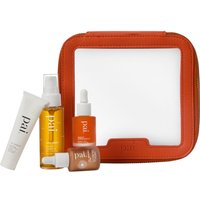
Kit découverte soins best-sellers - PAI
Blissim FR
A convenient pet food storage solution that prevents spoilage and prolongs freshness.
Sponsored by Awin Bruno
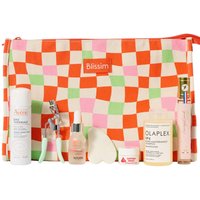
Kit best of beauté - Blissim
Blissim FR
Essential for those who prefer to prepare raw diets at home, ensuring ingredient quality.
Sponsored by Awin Bruno