Table of Contents (19 sections)
What is Pet Well-Being?
Pet well-being encompasses all aspects of your pet's health, including their physical health, mental stimulation, and emotional satisfaction. Enhancing your pet's well-being involves engaging them in activities that promote happiness and prevent behavioral issues. According to the American Animal Hospital Association, pets with regular engagement in activities show improved health outcomes. Not only does this enhance their life quality, but it also strengthens the bond you share with them.
Provide your pet with a routine that includes physical exercise, mental challenges, and sensory experiences. By understanding the elements that contribute to your pet's well-being, you can better tailor activities to their needs based on age, breed, and preferences. Adopting a holistic perspective towards pet care can significantly influence not just the length of their life but also the quality of time spent together.
Step-by-Step Guide to Selecting Activities
Choosing the right activities for your pet's well-being requires careful consideration and planning. Here’s a structured approach to help you make informed decisions:
Step 1: Assess Your Pet's Needs
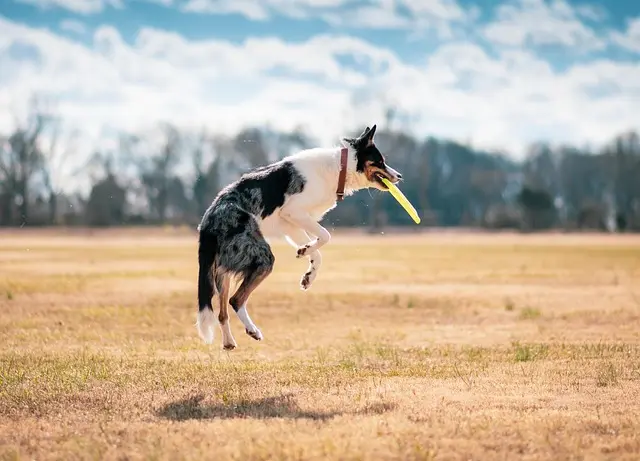
Understanding your pet’s specific needs is the first step in selecting suitable activities. Take into account age, energy level, breed characteristics, and any health concerns. For instance, older pets may require gentler activities such as short walks and puzzle toys designed for cognitive stimulation. On the other hand, energetic breeds like Border Collies thrive on more strenuous activities, including agility training and extensive play sessions. Taking the time to assess their physical and mental state is crucial in this initial step.
Step 2: Explore Different Activity Options
Once you’ve assessed your pet's needs, research various activities available. This could include:
- Outdoor activities: Hiking, running, or playing fetch in a safe area.
- Indoor games: Hide-and-seek, feather wand play for cats, or interactive puzzle toys for dogs.
- Training exercises: Teaching new tricks or behaviors can be mentally stimulating.
Consider enrolling your pet in classes or workshops related to agility, obedience, or even swimming. For example, training programs led by experienced professionals can provide structured environments that encourage bonding and skill development.
Step 3: Start Slow and Observe
When introducing new activities, start slowly. Gradually increase the complexity or duration. For example, you might begin with 10-15 minute sessions of a new game and observe your pet's reaction. Are they engaged and excited, or do they seem overwhelmed? Watching your pet’s body language will guide you in determining whether to continue, modify, or choose another activity altogether.
Step 4: Include Variety
Pets, similar to humans, can become bored with repetitive routines. Integrate a variety of activities to keep things exciting. For instance, plan a weekly schedule that alternates between outdoor walks, puzzle toys, and training sessions. This diversity can stimulate their minds, keep them active, and ultimately lead to a happier pet. A study published by the Journal of Veterinary Behavior indicates that pets engaged in diverse activities show reduced stress levels.
Step 5: Involve the Whole Family
Engaging the entire family in activities meant for your pet can enhance both your pet's experience and family dynamics. Family members can take turns participating in walks or play sessions, fostering a strong camaraderie and reinforcing social structures. Encourage all ages to partake by creating age-appropriate tasks, ensuring that even toddlers can contribute to pet care.
Comparative Analysis of Different Activities
To help visualize your options, here’s a straightforward comparison of the types of activities you can incorporate into your pet's routine:
| Activity Type | Benefits | Suitability | Drawbacks |
|---|---|---|---|
| Outdoor Play | Great for physical health; socializing | Energetic dogs, some cats | Weather-dependent, risks of injury |
| Puzzle Toys | Stimulates the mind; combats boredom | All ages | Can be solved quickly, requiring replacement |
| Training Sessions | Builds skills; enhances bonding | All pets | Time-consuming; requires patience |
| Mental Challenges | Reduces anxiety; promotes calmness | Anxious pets | Risk of frustration if too difficult |
Frequently Asked Questions
What types of activities can improve my pet's well-being?
Activities like walks, play with toys, training exercises, and even social interactions often improve pet well-being significantly.
How much exercise does my pet need?
Generally, dogs require at least 30 minutes of exercise daily based on their size and breed. Cats also benefit from at least 20-30 minutes of active playtime.
Can mental activities substitute for physical exercise?
While they can complement each other, both mental and physical activities are essential for a balanced routine. Each type addresses different aspects of well-being.
What should I do if my pet doesn't enjoy certain activities?
If your pet is resistant to certain activities, try exploring alternatives that cater more to their specific preferences, and adjust based on their reactions to various options.
Glossary
| Term | Definition |
|---|---|
| Pet Well-Being | A holistic approach to maintain a pet's physical, mental, and emotional health. |
| Cognitive Stimulation | Activities designed to enhance mental engagement and problem-solving skills in pets. |
| Physical Exercise | Activities that promote physical fitness and health through movement. |
Checklist for Choosing Activities
- [ ] Assess my pet’s age and breed characteristics.
- [ ] Research and explore multiple activity options.
- [ ] Start new activities slowly, observing reactions.
- [ ] Include variety in the weekly activity schedule.
- [ ] Encourage family participation in pet activities.
Quick Quiz
> 🧠 Quick Quiz: What is one major benefit of keeping your pet engaged with varied activities?
> - A) They sleep longer
> - B) They become more socially active
> - C) They eat more
> Answer: B — Increased engagement leads to better socialization among pets.
📺 Resource Video
> 📺 For further insights: Explore engaging pet activities to improve well-being, a comprehensive look at enhancing your furry friend's life. Search on YouTube: "pet well-being activities 2026".
📺 Pour aller plus loin : pet well-being activities 2026 sur YouTube