Table of Contents (11 sections)
As pet owners, we understand the importance of ensuring our furry friends lead fulfilling lives. Enrichment activities for pets are essential for their physical and mental well-being. These activities not only alleviate boredom but also help prevent behavioral issues, as many pets require stimulation beyond basic care. Enrichment can encompass a wide range of activities, from interactive toys to training exercises. In this guide, we will explore how to choose the right activities tailored to your pet’s specific needs.
Step 1: Understand Your Pet’s Needs
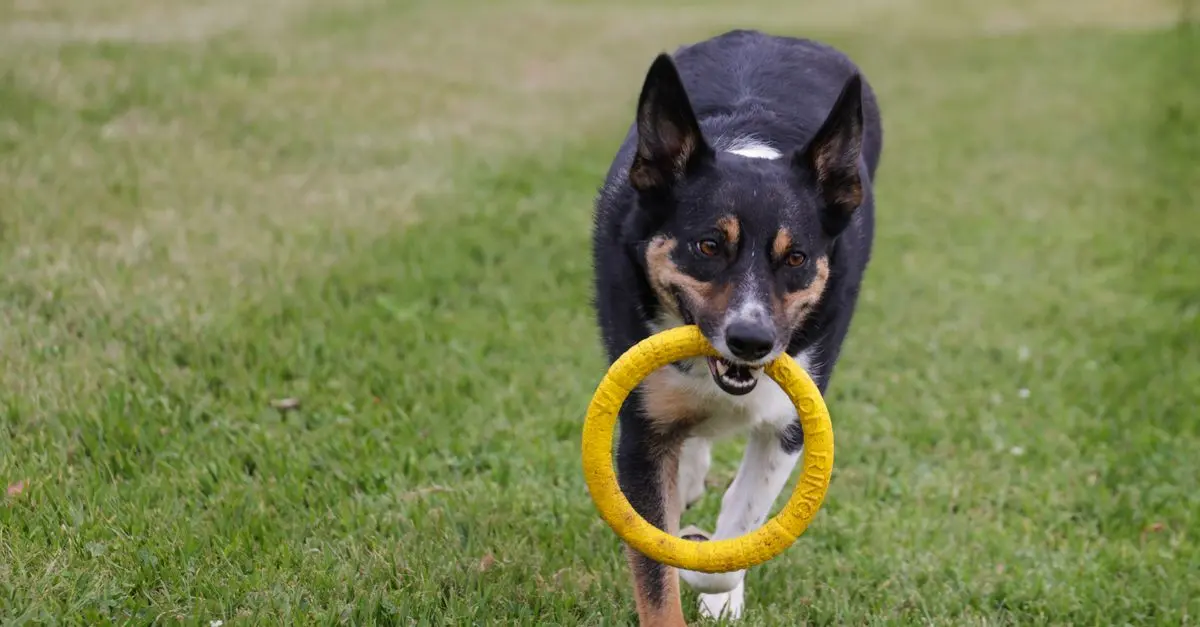
Before diving into enrichment activities, it's crucial to assess your pet's individual personality, breed, and energy levels. Each pet is unique; some may thrive on physical challenges, while others prefer mental stimulation. For instance, high-energy breeds like Border Collies or Labrador Retrievers need rigorous exercise and interactive games, such as fetch or agility training. In contrast, a more sedentary breed like a Bulldog may benefit from gentle mental challenges like puzzle toys.
Checklist for Assessing Needs:
- Observe your pet's play style.
- Note their favorite activities and toys.
- Consider any physical limitations, such as age or health conditions.
- Research the typical needs of your pet's breed.
Taking the time to understand your pet’s unique traits will result in a more tailored enrichment plan, leading to a happier and healthier pet.
Step 2: Research Available Enrichment Activities
Once you understand your pet's needs, it’s time to research various enrichment activities that might suit them. Activities can be categorized into physical and mental forms. Physical enrichment includes activities such as:
- Agility training
- Fetch and tug-of-war games
- Swimming sessions
On the other hand, mental enrichment can involve:
- Puzzle toys that require problem-solving skills.
- Scent games, where pets find treats hidden around the house or yard.
- Training sessions featuring tricks or obedience tasks.
Statistics show that engaging pets in structured activities reduces anxiety and promotes positive behaviors. In fact, a study by the American Veterinary Medical Association revealed that pets who engage in regular enrichment activities exhibit significantly less anxiety compared to those without them. With this data in mind, it's worth investing time in discovering various options.

Step 3: Trial and Error
Implementing new enrichment activities often requires a bit of trial and error. You might discover that your pet enjoys certain activities while showing disinterest in others. Start slow; introduce a couple of new toys or activities and observe your pet's reaction. Are they excited? Do they engage playfully? Adaptability is key! If an activity doesn’t resonate with them, don’t hesitate to switch to something else.
Consider starting with a mix of activities to cover both physical and mental stimulation. For example, spend 15 minutes playing fetch followed by 15 minutes on a puzzle toy. This balanced approach ensures that you cater to multiple aspects of your pet's enrichment needs.
Step 4: Monitor and Adjust
It’s vital to continuously monitor your pet’s reactions to different enrichment activities. Look for signs of excitement and contentment, such as tail wagging, playfulness, or engagement. Also, consider keeping a diary to track activities that your pet enjoys. This record can help you assess trends over time, providing insights into what works best for them.
Remember that as pets grow and their health changes, their enrichment needs may also evolve. Puppies and young animals typically have higher energy levels, while older pets may benefit from gentler, less strenuous forms of enrichment. Adjustment is crucial for maintaining your pet's interest and health.
Step 5: Incorporate Socialization
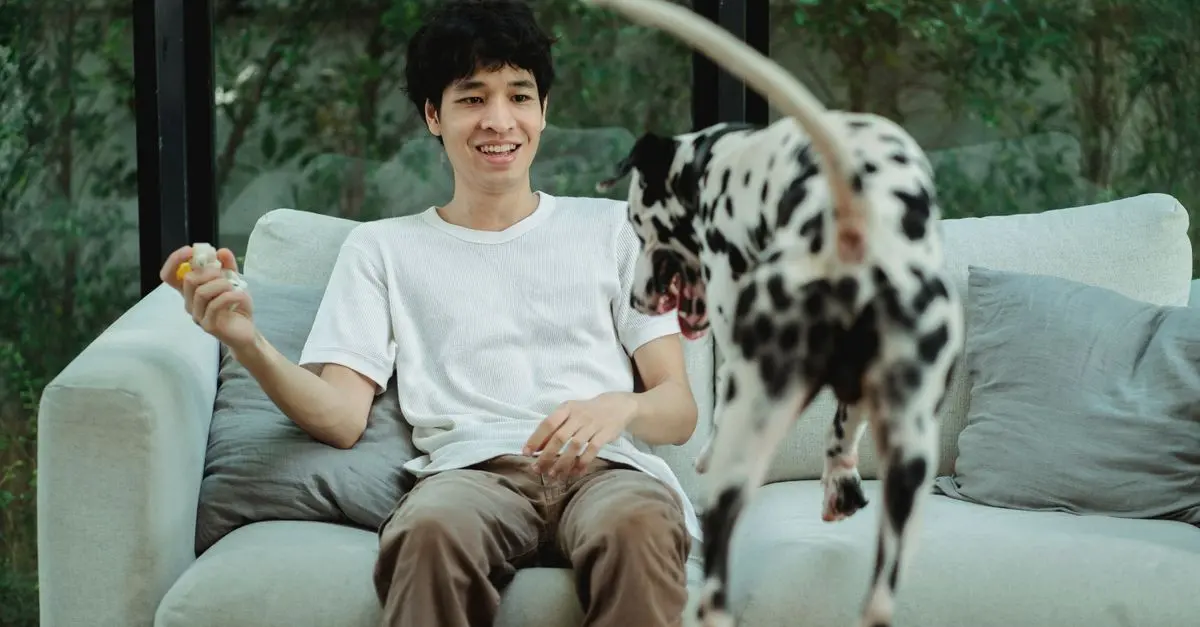
Socialization is a significant part of enrichment that many pet owners overlook. Incorporating social elements, such as playdates with other pets or visits to dog parks, can greatly enhance your pet’s well-being. Socialization provides mental stimulation and helps pets develop crucial skills and confidence in different environments.
Other options for socialization include:
- Training classes
- Pet-friendly events or groups
- Volunteer opportunities at shelters or pet-related events
Regular interaction with other animals and people can help alleviate feelings of isolation, particularly for indoor pets. Consider reaching out to your community or local animal centers for opportunities.
Step 6: Safety First
While engaging in enrichment activities, safety should always be your primary concern. Evaluate the environment to ensure that it is secure and free of hazards. For physical activities, ensure that proper gear (like a safety harness) is utilized if necessary. Also, pay attention to your pet’s health; avoid strenuous activities if they seem fatigued or unwell, and always consult your veterinarian if unsure.
Tips for Ensuring Safety:
- Inspect toys for small parts that could be swallowed.
- Supervise playtime, particularly with new toys or in unfamiliar settings.
- Designate a safe play area, free of hazards.
Checklist before Getting Started
- [ ] Assess your pet’s individual needs and preferences.
- [ ] Research different enrichment activities suitable for your pet.
- [ ] Start with a mix of activities for physical and mental stimulation.
- [ ] Monitor pet reactions and adjust activities as needed.
- [ ] Incorporate socialization opportunities into their routine.
- [ ] Ensure all environments and toys are safe for use.
Glossary
| Terme | Définition |
|---|---|
| Enrichment | Activities designed to enhance the well-being of pets. |
| Socialization | The process of engaging with other pets or humans. |
| Physical Activity | Exercises that require physical engagement. |
> 💡 Avis d'expert: La création d'un programme d'enrichissement adapté peut transformer le mode de vie de votre animal, entraînant une augmentation de leur bonheur et une réduction des problèmes comportementaux.
📺 Resource Vidéo
> Check out “Top 10 Pet Enrichment Ideas” for practical tips to enhance your pet's quality of life. Search on YouTube for: “fun enrichment activities for pets 2026.”
🧠 Quick Quiz
> What is the primary goal of enrichment activities for pets?
> - A) To tire them out
> - B) To promote mental and physical well-being
> - C) To make them more obedient
> Answer: B — Enrichment activities primarily aim to enhance the overall mental and physical health of pets.
Engaging in enrichment activities doesn’t just benefit your pet; it enriches your bond with them, leading to a more fulfilling relationship. Start your pet's enrichment journey today for a happier, healthier life together!
📺 Pour aller plus loin : Free & Easy Dog Enrichment Ideas #dogtraining #doglovers #happydog #puppytraining sur YouTube
Recommended products
Selected by our experts
Becoming an Activities Coordinator
Alison US CA
This guide includes training and enrichment coordination modules that can help pet owners design effective activities for their pets.