Table of Contents (12 sections)
Pets, just like humans, need mental stimulation and physical engagement to live a happy and healthy life. Enrichment activities are crucial for preventing boredom, frustration, and behavioral issues that might stem from a lack of stimulation. This practical guide provides a comprehensive approach to selecting the right enrichment activities for your beloved pet.
1. Understand Your Pet’s Needs
Just like we have different interests and preferences, pets also have unique personalities that guide their needs for enrichment activities. Dogs may thrive on physical exercise, while cats may prefer interactive play experiences. Understanding your pet’s species, breed, age, and personality is essential in selecting suitable enrichment activities. For instance, working breeds like Border Collies require more mental and physical activities as they are designed for tasks. Conversely, older pets may benefit from gentler activities that stimulate their minds without overexerting them.
To properly assess your pet's needs, observe their current behavior. Are they easily bored? Do they exhibit destructive behaviors? Engaging activities like puzzle toys or training sessions can help address these problems. It can be beneficial to consult your veterinarian or a pet behaviorist to understand the ideal richness of activities needed for your specific pet.
2. Make a List of Potential Activities
Creating a diverse list of enrichment activities is a great way to spark ideas that cater to your pet's interests. Here are some options to consider:
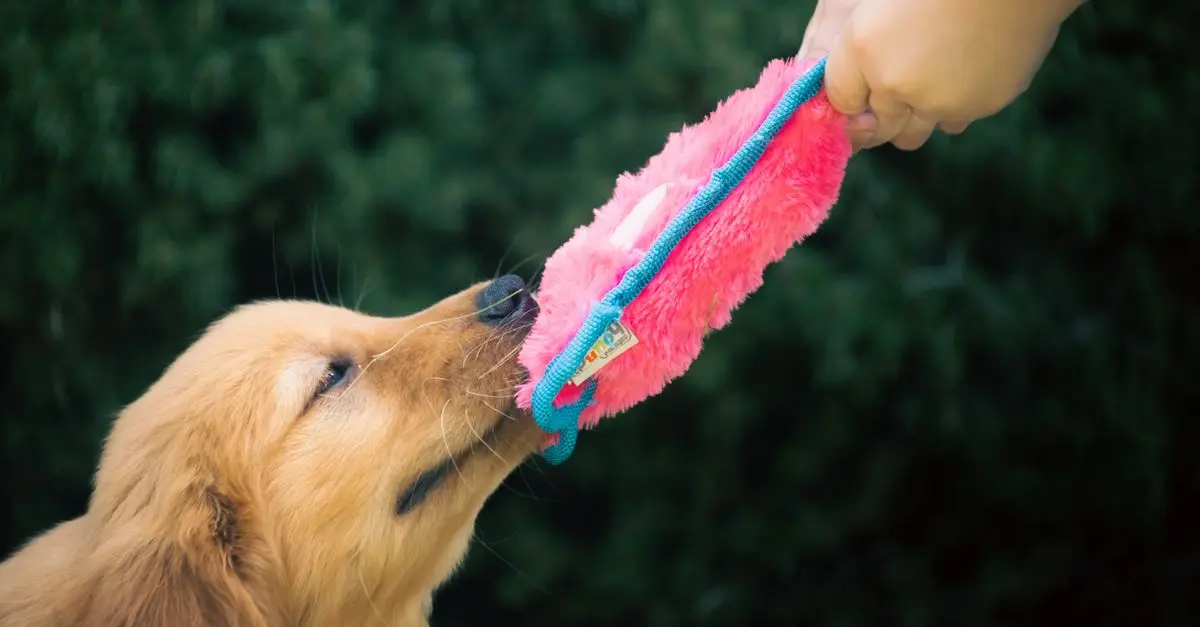
- Interactive Toys: Invest in puzzle feeders or toys that require your pet to solve a challenge, such as rolling a ball to dispense treats.
- Outdoor Adventures: Engage your dog in hikes, swimming, or leash walks, while providing cats with supervised outdoor time in an enclosed area or on a leash.
- Sensory Games: Use scents or sounds — hide treats around your home for your dog to find or play soothing music for your cat.
- Training Sessions: Teaching new commands or tricks can provide both physical and mental stimulation.
- Social Interaction: Arrange playdates with other pets or visits to dog parks to stimulate social engagement.
Note that diversity is crucial — alternating activities can keep your pet interested and engaged. Remember to tailor the list according to your pet’s preferences and capabilities, ensuring each activity challenges them appropriately.
3. Test the Activities
Once you have your list of potential enrichment activities, it’s time to test them out! Implement each activity one at a time, observing how your pet reacts. Document their behavior: Are they enthusiastic, bored, or anxious? This feedback will help you fine-tune your list of options. For example, a dog may not enjoy swimming but instead finds immense pleasure in playing fetch at the local park.
A good rule of thumb is to start with activities that require less investment of time and money. For instance, simple hide-and-seek games with treats or toys can be done with household items and can lead to bonding time, while still being enriching.
4. Consider Safety and Environment
Safety should always be your top priority when engaging in enrichment activities. Ensure that the environment where these activities take place is safe and secure. For outdoor activities, look for pet-friendly and fenced-in areas. Use leash restraints and harnesses when needed, especially for dogs prone to running off.
Additionally, assess the equipment or toys employed. Make sure they’re durable and specifically designed for your pet's size and breed. Avoid toys with small parts that could be swallowed. Regularly inspect toys for wear and tear, replacing them when necessary to prevent injury.
5. Develop a Routine
Establishing a routine can help ensure that your pet consistently engages with enrichment activities. Pets thrive on routine, which provides them security and stability. Develop a schedule that incorporates various activities throughout the week. This might mean taking longer walks on weekends or having specific playtime sessions each day.
Consider including both physically engaging and mentally stimulating activities during each session. For example, a walk followed by a puzzle toy challenge can provide balanced enrichment. The routine can also include quiet time to reflect and rest, allowing pets to recharge, ensuring they don’t feel overwhelmed.
6. Track Progress and Adapt
Over time, tracking your pet’s responses to various enrichment activities will allow you to adjust and optimize their engagement. Keep a journal or log of what activities seem to elicit the most positive reactions. Take note of any changes in behavior. If your pet shows signs of boredom or disengagement, it may be time to switch things up. According to a survey by the American Pet Products Association, pets thrive with constant engagement, which can lead to healthier, happier lives.
Additionally, when considering new activities, variable rewards can help maintain engagement levels. For example, fluctuating the types of treats used during training can keep your pet motivated. Consistently evaluating and adapting your approach will keep enrichment fresh and exciting for your pet.
7. Monitor Health and Happiness
Regularly monitor your pet’s health and happiness as you incorporate enrichment activities. Watch for signs of distress or fatigue. Pets shouldn’t show consistent signs of physical strain or emotional tension during playtime. Consult with a veterinarian if you have concerns about whether the activities you’ve chosen are appropriate, especially for aging pets or those with existing health concerns.
An active pet is a happy pet, so the more you see your pet enjoying the activities, the better it is for their overall well-being.
📺 Resource Video
> 📺 For further insights: Explore top enrichment activities for pets in our detailed walkthrough. Search on YouTube: enrichment activities for pets.
Checklist before Engaging in Enrichment Activities
- [ ] Understand your pet's unique needs.
- [ ] Create a diverse list of enrichment activities.
- [ ] Test various activities gradually.
- [ ] Ensure a safe environment for activities.
- [ ] Develop a consistent schedule.
- [ ] Track your pet's progress and responses.
- [ ] Monitor overall health and happiness regularly.
Conclusion
Choosing the right enrichment activities for your pet doesn’t have to be a daunting task. By understanding their needs, experimenting with various activities, and maintaining a consistent routine, you can enhance your pet's well-being significantly. Remember to adapt and evolve your strategies as your pet grows and their interests change — a happy pet is one that feels engaged and loved.
Glossary
| Term | Definition |
|---|---|
| Enrichment | Activities designed to stimulate pets mentally and physically, enhancing their quality of life. |
| Behaviorist | A professional who studies and understands animal behavior, often providing guidance for training. |
| Puzzle Toys | Toys that require pets to solve challenges to receive a reward, stimulating mental engagement. |
---
📺 Pour aller plus loin : best enrichment activities for pets 2026 sur YouTube