
Table of Contents (24 sections)
Choosing the right food for your pet is crucial for their health and well-being. Just like humans, animals also require a balanced diet tailored to their specific needs. Understanding pet nutrition is the first step in ensuring a long, healthy life for your furry friend. In this guide, we’ll explore the aspects of pet nutrition, helping you make informed choices while navigating the often overwhelming landscape of pet food options.
1. Understanding Pet Nutrition
Why is Pet Nutrition Important?
Pet nutrition is vital as it impacts every aspect of your pet's health, from their energy levels to their immune system. The dietary needs of pets vary by species, breed, age, and health condition. According to the Association of American Feed Control Officials (AAFCO), a pet's food must meet specific nutritional standards to ensure it provides a complete and balanced diet. It's essential to recognize that poor nutrition can lead to various health issues, including obesity, diabetes, and even shorter life spans. Therefore, understanding the basic components of a pet’s diet is the first step in ensuring their health.
Key Components of Pet Diets
A balanced pet diet typically includes:
- Proteins: Essential for growth, repairs, and energy. Look for high-quality meat sources.
- Fats: Vital for energy and the absorption of vitamins. Omega fatty acids are beneficial for skin and coat health.
- Carbohydrates: Provide energy and aid digestion; however, they should be balanced.
- Vitamins and Minerals: Crucial for metabolic processes, these should come from fresh foods or supplements if necessary.
Understanding these components empowers you to read labels effectively and select the healthiest options for your pet.
2. Assessing Your Pet's Specific Needs
Determining Your Pet’s Requirements
When selecting pet food, it’s crucial to assess your pet's individual needs. Factors such as their breed, size, age, and activity levels all play significant roles in their dietary requirements. For instance, puppies require higher protein for growth, while older dogs may need specialized diets that support joint health.
Some important guidelines include:
- Age: Kittens and puppies need higher protein and fat contents compared to adult pets. Senior pets may benefit from lower calories to prevent obesity.
- Activity Level: Active pets may need diets high in energy, while those that are more sedentary may require less caloric intake.
- Health Conditions: Consult with a veterinarian if your pet has specific health issues requiring dietary controls, such as kidney disease or allergies.
By understanding these needs, you can avoid common pitfalls, such as overfeeding or choosing a diet that may exacerbate health issues.
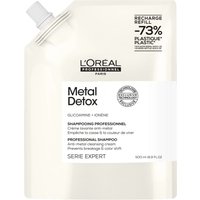
Shampoing détoxifiant Metal Detox rechargeable - Recharge 500ml - L'Oréal Professionnel
Blissim FR


3. Evaluating Pet Food Options
Ingredients Matter
Not all pet foods are created equal. Ingredients are one of the most important factors to examine. High-quality foods often list specific meats as the first ingredients, while lower-quality options may use vague terms like 'meat meal' or fillers.
When evaluating food options, consider the following:
- Protein Sources: Quality is more important than quantity.
- Whole vs. Processed Foods: Whole food ingredients are often better for overall health.
- Grain-Free vs. Grain-Inclusive: There is debate over the necessity of grain-free diets. Consult with your vet to determine what’s best for your pet.
Suggested Comparison Table
| Criteria | Option A | Option B | Option C | Verdict |
|---|---|---|---|---|
| Protein Source | Chicken meal | Lamb | Fish | A is best |
| Grain Content | Grain-free | Whole grains | - | B is preferred |
| Nutritional Additives | High | Moderate | Low | A is optimal |
| Price | High | Medium | Low | Depends on budget |
4. Consulting with Your Veterinarian
The Importance of Professional Guidance
Before making significant changes to your pet's diet, consulting with a veterinarian is highly recommended. They can provide tailored advice based on your pet’s health history and nutritional needs. A common mistake is relying solely on package marketing claims without considering your pet’s unique requirements.
What to Discuss with Your Vet
- Breed-Specific Diets: Some breeds have specific dietary needs.
- Age and Activity Levels: Tailored diets significantly impact a pet's health.
- Allergies or Sensitivities: If your pet has shown adverse reactions to certain foods, your vet can help guide you to the right alternatives.
This consultation can save you time and money by preventing unnecessary trial and error with different food brands.
5. Creating a Feeding Plan
Setting Up the Right Schedule
A solid feeding plan is essential for maintaining your pet's health. Establish a routine that aligns with their needs.
Tips for Feeding Your Pet
- Portion Control: Measure food to avoid overfeeding.
- Feeding Frequency: Many pets benefit from multiple small meals rather than one large meal.
- Monitor Weight: Regularly check your pet’s weight and adjust food portions accordingly.
Keeping a Feeding Journal
Tracking your pet’s eating habits can help you recognize patterns and adjust diets as needed. This proactive approach ensures that your pet's health remains optimized as they age.
6. Common Mistakes to Avoid
Learning from Experience
It's easy to make mistakes when choosing pet food. Here are some common pitfalls:
- Ignoring Labels: Not reading ingredient labels can lead to poor choices.
- Following Trends Blindly: Fad diets won’t suit every pet. Always base changes on your pet's needs.
- Over-Reliance on Grain-Free Foods: This dietary shift isn't necessary for every pet. Consult with your vet.
Checklist for Choosing Pet Food
- [ ] Assess your pet's age and health conditions
- [ ] Read ingredient labels carefully
- [ ] Consult with a veterinarian before changing food
- [ ] Create a balanced feeding plan
- [ ] Monitor your pet’s weight regularly
📺 Ressource Vidéo
> 📺 For further insights: How to Choose the Right Pet Food for Your Furry Friend, a comprehensive guide on ensuring optimal pet nutrition. Search on YouTube: how to choose pet food 2026.
Glossaire
| Terme | Définition |
|---|---|
| Nutritional Value | Measures how beneficial a particular food is for your pet’s health. |
| Complete and Balanced | Describes a food that meets all of a pet's dietary needs properly. |
| Dietary Needs | Various nutritional requirements based on pet’s species, age, and health. |
Conclusion
In conclusion, choosing the right food for your pet’s health requires careful consideration and attention to detail. By assessing their specific needs, consulting professionals, and monitoring their diet, you can support their long-term health and vitality. Remember, the right nutrition will go a long way in enhancing their quality of life.
✅ Recommended Products
We have selected several products suitable for your pet’s dietary needs, ensuring quality nutrition. Check out our recommendations below:
- Product 1: Suitable for dogs with allergies, ensuring a balanced diet.
- Product 2: High in protein and good for active pets.
- Product 3: Grain-free option for those sensitive to grains.
Final CTA
Make informed decisions about your pet's nutrition today! Consult your vet, explore our product suggestions, and ensure your furry friend thrives. Your attention to their diet can lead to a happier, healthier pet.
📺 Pour aller plus loin : how to choose pet food 2026 sur YouTube
Recommended products
Selected by our experts
Shampoing détoxifiant Metal Detox rechargeable - Recharge 500ml - L'Oréal Professionnel
Blissim FR
This product's detoxifying properties are beneficial for pets that may have skin or digestive sensitivities.
Coffret trio crèmes mains - Caudalie
Blissim FR
This set of hand creams is ideal for pet owners who want to maintain healthy skin, particularly if allergies are an issue.
Siken Diet cappuccino petit déjeuner 400g
DocMorris FR (ex DoctiPharma FR)
A protein-rich option suitable for pets needing energy and muscle maintenance.