Table of Contents (10 sections)
Creating a balanced diet for dogs is crucial for their overall health and longevity. A well-planned diet not only helps in maintaining a healthy weight but also boosts the immune system, promotes healthy fur, and ensures a longer, happier life. This blog will guide you through the necessary steps to tailor a diet that meets your dog's unique needs while ensuring that they are getting the right nutrients.
1. Understand Canine Nutritional Needs
To start crafting a balanced diet for dogs, it's essential to understand their basic nutritional requirements. Dogs, like people, require a mix of proteins, fats, carbohydrates, vitamins, and minerals. According to research by the Association of American Feed Control Officials (AAFCO), a dog’s diet should include:
- Proteins: Essential for growth, maintenance, and repair of tissues. Sources include meat, fish, and certain plants.
- Fats: Important for healthy skin and a shiny coat, as well as providing energy. Omega-3 and Omega-6 fatty acids are vital.
- Carbohydrates: Not mandatory but beneficial for providing energy and aiding digestion when sourced from whole grains, fruits, and vegetables.
- Vitamins and Minerals: Necessary for various bodily functions, including bone health and metabolic processes.
Make sure to keep in mind the dog's age, breed, and activity level when estimating their dietary requirements. Puppies, for example, may require more calories and higher protein concentrations compared to adult dogs.
2. Choose High-Quality Ingredients
Selecting high-quality ingredients is paramount in creating a balanced diet for dogs. Dog foods vary significantly in quality; thus, opt for products that list whole meats and identifiable ingredients at the top of the ingredient list. Avoid options that include fillers or artificial additives, as these can be detrimental to your dog's health. In general, consider the following:
- Whole Meats: Look for chicken, beef, or fish as primary ingredients.
- Whole Grains: Brown rice, oatmeal, and barley can provide essential carbohydrates.
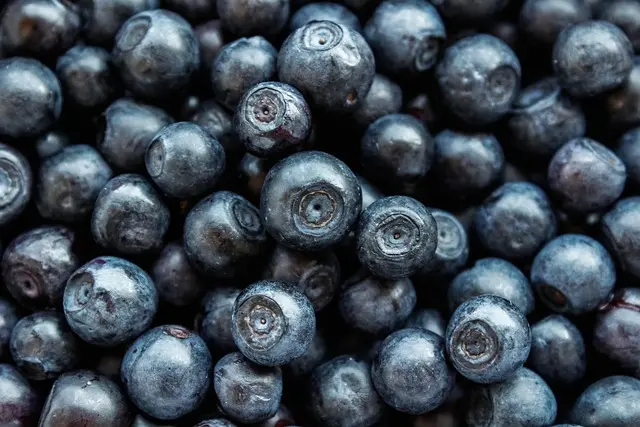
- Fruits and Vegetables: Carrots, blueberries, and sweet potatoes can act as excellent sources of vitamins and fiber.
Research shows that a diet rich in whole foods can improve your dog’s health, enhance vitality, and reduce the risk of obesity and related diseases.
3. Create a Home-Cooked Meal Plan
If you prefer to prepare meals at home, it's critical to formulate a balanced meal plan. Here are some steps to guide you in making homemade meals:
- Base Ingredients: Start with a protein source like lean ground meat, fish, or eggs.
- Supplements: Consider adding dog-safe supplements to ensure all vitamins and minerals requirements are met.
- Balanced Ratios: Aim for a ratio of 40% protein, 50% vegetables, and 10% carbohydrates for a balanced meal.
Sample Recipe:
- 1 cup of cooked chicken (shredded)
- ½ cup of steamed carrots
- ½ cup of brown rice
- 1 tablespoon of fish oil
Mix all the ingredients and serve. Always allow the food to cool before offering it to your dog and avoid seasoning with spices that may be harmful.
4. Monitor Your Dog's Health
Once you begin implementing a balanced diet for your dog, monitor their health closely. Look for signs of wellness or distress, and regularly check their weight, coat condition, and energy levels. The following indicators will help assess the success of their diet:
- Weight Maintenance: Dogs should maintain an ideal body weight; excessive weight can contribute to various health issues.
- Healthy Coat: A shiny coat is usually an indicator of good health and nutrition.
- Energy Levels: Active dogs are generally happy dogs. If your dog is lethargic or shows changes in behavior or appetite, consult a veterinarian.
It's also beneficial to keep a log of your dog's eating habits and any changes, as this data can help your veterinarian provide tailored advice.
5. Consult a Veterinarian
A veterinarian can provide personalized dietary recommendations based on your dog’s health profile. For example, puppies, seniors, or dogs with specific health conditions may require unique dietary adjustments. Discuss the following with your vet:
- Nutritional needs specific to breed and size
- Any food allergies or sensitivities
- Potential health issues like obesity or diabetes
Your vet may also suggest specific food brands or formulations that fit your dog’s needs while addressing any deficiencies or excesses in their current diet.
Conclusion
Creating a balanced diet for your dog is a process that takes time and careful consideration. By understanding their nutritional needs, choosing high-quality ingredients, and monitoring their health, you can ensure that your furry friend enjoys a long and healthy life. Remember always to consult with your veterinarian for personalized advice specific to your dog's unique requirements.
Checklist before feeding your dog a balanced diet
- [ ] Know your dog’s nutritional needs
- [ ] Choose high-quality ingredients
- [ ] Prepare a variety of meals
- [ ] Monitor health closely
- [ ] Consult with a veterinarian for tailored advice
Glossary
| Term | Definition |
|---|---|
| Canine Nutrition | The study of nutrients required for the health of dogs. |
| AAFCO | The Association of American Feed Control Officials; sets standards for pet food. |
| Omega Fatty Acids | Essential fats important for skin, coat health, and overall well-being of dogs. |
> 🧠 Quiz rapide : What is a crucial component of a balanced diet for dogs?
> - A) Processed foods
> - B) Whole meats and vegetables
> - C) Sugary snacks
> Réponse : B — Whole meats and vegetables provide essential nutrients and should be prioritized in your dog's diet.
📺 Ressource Vidéo
> For more insights on crafting the perfect dog diet, check out: How to Create a Balanced Diet for Your Dog, a complete guide. Search on YouTube: "how to create a balanced diet for dogs 2026".
📺 Pour aller plus loin : how to create a balanced diet for dogs 2026 sur YouTube
Recommended products
Selected by our experts

Clinique Superbalanced™ Makeup, CN 90 Sand - 1.0 oz./30 ml for Dry Combination and Combination Oily Skin
clinique.com
This product is perfect for maintaining a balanced approach in dog nutrition, focusing on hydration and overall health.

Clinique Superbalanced™ Makeup, CN 72 Sunny - 1.0 oz./30 ml for Dry Combination and Combination Oily Skin
clinique.com
This is another excellent choice for those looking to incorporate healthy ingredients into a dog's diet.

Nutricost Organic Super Greens Powder - Mixed Berry
nutricost.com
Ideal for dog owners wanting to boost their dog's nutritional intake with organic options that support a healthy diet.