Table of Contents (20 sections)
Creating a natural habitat for your pets is essential for improving their well-being and enhancing their quality of life. This guide provides practical steps to set up an environment that closely resembles their natural surroundings. A well-designed habitat tackles issues such as stress, boredom, and health problems caused by living in an unsuitable environment.
With increasingly busy lifestyles, many individuals overlook the importance of replicating natural habitats for their pets. Whether you have a dog, cat, rabbit, or guinea pig, designing their living environment creatively fosters happiness and reduces anxiety. In this article, we will explore effective methods to create a natural habitat for pets.
1. Understand Your Pet's Natural Habitat
What Does Natural Habitat Mean?
Natural habitat refers to the environment where an animal thrives in the wild. Each species comes from a distinct ecosystem, whether it’s grassy plains for dogs or forests for cats. Understanding what constitutes a pet's natural habitat is crucial before setting up their living space.
For instance, dogs originate from wolves and require space to roam and explore. Therefore, a house with a backyard or nearby park ensures they receive physical exercise and mental stimulation. In contrast, cats are more solitary hunters and appreciate vertical spaces like shelves or cat trees that replicate climbing trees in nature.
By identifying your pet's needs based on their innate behaviors, you can tailor their habitat more effectively. Research the specific requirements of your pet’s breed, including elements such as shelter, temperature, and types of terrain. Use this information as a basis for setting up their environment.
Key Considerations
- Physical Space: Ensure they have enough space to move freely.
- Vertical vs. Horizontal Structure: Cats need vertical spaces while dogs enjoy horizontal roaming areas.
- Temperature Control: Make sure the environment avoids extreme heat or cold, consistent with their natural habitats.
2. Creating a Natural Environment Indoors
Selecting Appropriate Decor
Creating a pet-friendly environment indoors begins with careful selection of decor that mimics their natural surroundings. For example, you can feature indoor plants that are safe and non-toxic for your pets. Choose natural materials like wood and stone for furniture and accessories, as these evoke a more earthy feel, which pets associate with the wild.
Additionally, consider incorporating textures and colors found in nature—like greens, browns, and blues. Place soft bedding in their chosen napping areas, resembling the soft forest floor or grasslands they are accustomed to.
Enrichment Activities
Pets thrive when engaged in stimulating activities. Integrate items that encourage natural behaviors, such as scratching posts for cats or chew toys for dogs. Setting up obstacle courses using natural materials stimulates their instincts, makes them curious, and promotes exercise.
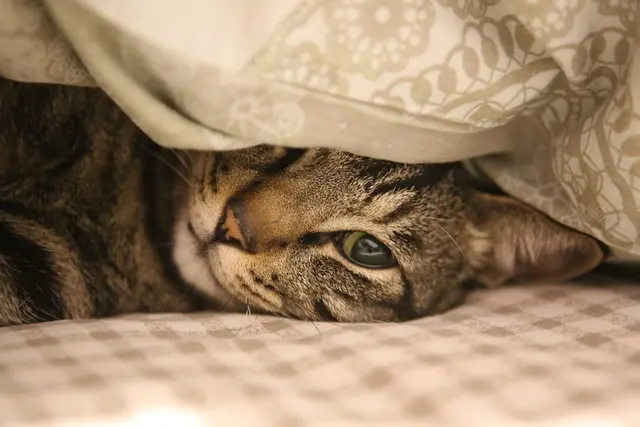
Also, provide pet-friendly hiding spots to make them feel secure. This reflects how animals in the wild use shelters for safety. Blankets draped over furniture or cardboard boxes can serve this purpose effectively.

Natural + Black Tabletop Catch-All Set Of Two - Tabletop Bins Likhâ
wolfandbadger.com

Kadyn - Bookshelf,Shelf, Open Bookcase Book Shelf,Storage Shelf Unit Plant Stand,58 Inch 4-Tier Bamboo Ladder Bookshelf-Natural - Brown
bestbuy.com

Kadyn - Counter Bar Stools, Dining Stool,25.5 Inch Bar Stools Set of 2 with Footrest-Natural - Brown
bestbuy.com
3. Create an Outdoor Habitat
Fencing and Safety
If you have outdoor space, creating a safe and engaging habitat for pets is possible. Installing sturdy fencing ensures that your pets can explore without the risk of getting lost or encountering dangers. Use natural barriers like hedges or shrubbery to create designated play areas or safe zones for your pets. Keep in mind that not every pet interacts safely with the outdoors—it is essential to know if your pet is prone to chasing after wildlife.
Elements of Nature
Introduce natural elements to your outdoor habitat, such as rocks for climbing, varied terrain for exploration, and shaded areas to relax. Provide fresh water sources to mimic wild environments, ensuring they stay hydrated, especially during hot weather.
Consider incorporating plants that are pet-friendly, avoiding toxic varieties, which can cause health issues. Building a small pond or water feature can also be engaging, but ensure it is shallow and safe for your pets to prevent drowning.
4. Regular Maintenance of the Habitat
Cleanliness and Health
Maintaining a clean and enriching environment contributes greatly to your pet's health and happiness. Regularly clean the habitat, removing waste and ensuring their toys and bedding are in good condition. This prevents disease and keeps your pets comfortable.
Monitor their behaviors for signs of anxiety or restlessness, indicating that their habitat may need changes or improvements. Keep an eye on the condition of plants; some may need early trimming or removing if they show signs of pests or mold.
Health Check-ups
Regular veterinary check-ups can reveal health issues before they become significant obstacles. Combine your pet's physical well-being with their environmental setting to create a holistic approach to their care. Ensure your pet is properly vaccinated and healthy enough to enjoy their habitat comfortably.
5. Engage with Your Pet
Bonding Time
One of the best ways to enhance your pet’s habitat is to spend time with them actively. Engage in play, training, or simple observation time outdoors, as socialization is key in enriching their lives. Your presence creates a deeper bond and helps them feel secure within their habitat.
Mental Stimulation Activities
To maximize your pet's happiness, consistently implement activities to stimulate them mentally. Puzzle toys, training sessions, and exploration walks help maintain an engaged and lively personality, reflecting conditions they would encounter in their natural habitat.
Checklist for Creating a Natural Habitat
- [ ] Research your pet’s natural habitat requirements.
- [ ] Design the indoor space with natural elements.
- [ ] Set up an outdoor area that is safe and stimulating.
- [ ] Maintain cleanliness and health of the habitat.
- [ ] Spend quality time with your pet.
Glossary
| Term | Definition |
|---|---|
| Natural Habitat | The environment where an animal naturally lives, providing food, shelter, and conditions for breeding. |
| Enrichment | Activities or items that improve the well-being of pets by stimulating their senses and behaviors. |
| Toxic Plants | Plants harmful to pets that can cause serious health issues when ingested. |
📺 Resource Video
> 📺 For further exploration: Discover how to set up the perfect pet habitat, focusing on enhancing your home for optimal pet happiness. Search for: "creating a pet-friendly habitat 2026".
Recommended Products
- - - ---
📺 Pour aller plus loin : creating a pet-friendly habitat 2026 sur YouTube
Recommended products
Selected by our experts
Natural + Black Tabletop Catch-All Set Of Two - Tabletop Bins Likhâ
wolfandbadger.com
This natural tabletop catch-all is ideal for organizing pet supplies, keeping your habitat tidy and stylish.
Kadyn - Bookshelf,Shelf, Open Bookcase Book Shelf,Storage Shelf Unit Plant Stand,58 Inch 4-Tier Bamboo Ladder Bookshelf-Natural - Brown
bestbuy.com
This shelving unit can serve as a vertical space for your pets or for displaying pet-related items in your home.
Kadyn - Counter Bar Stools, Dining Stool,25.5 Inch Bar Stools Set of 2 with Footrest-Natural - Brown
bestbuy.com
These stools can be used for seating while supervising your pets or can be a stylish addition to your natural pet habitat backdrop.