Table of Contents (8 sections)
Creating a natural habitat for your pet goes beyond mere aesthetics; it contributes significantly to their health and happiness. A well-designed habitat mimics the pet's natural environment, catering to their instinctual needs for exploration, comfort, and security. Whether you have a dog, cat, bird, or reptile, understanding their natural habitats can guide you in creating a customized space that promotes well-being and reduces anxiety. This guide will walk you through each step of designing a habitat that nurtures a pet's instinctual behaviors, providing you with actionable advice to implement immediately.
Step 1: Research Your Pet's Natural Habitat
Before you begin designing a natural habitat for your pet, it’s essential to research what their natural environment looks like. Each pet species has unique needs based on their evolutionary background. For example, dogs, originally domesticated from wolves, require space for exercise and a variety of textures for stimulation. Similarly, birds like parrots thrive in environments that allow them to chew, climb, and explore.
Go beyond general descriptions; seek out specific details regarding your pet’s needs. For example, while many dogs enjoy open spaces, some breeds prefer enclosed areas due to their herding instincts. Understanding these aspects allows for tailored habitat adjustments that benefit your pet's emotional and physical health. Delving into credible sources like The ASPCA’s guidelines for various pets can provide a foundation for your research. After you’ve gathered this knowledge, you’re ready to move on to the practical steps needed to implement it.
Step 2: Consider Space Requirements
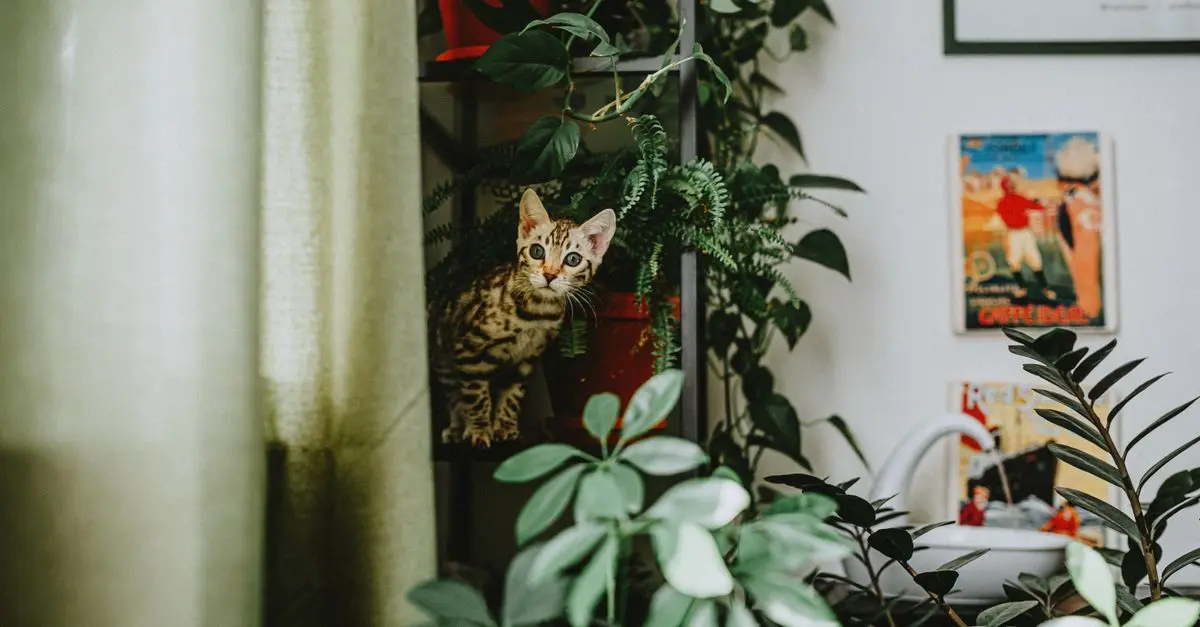
When crafting a natural habitat for pets, the physical space is often the most critical factor. Ensure that the area you allocate offers enough room for your pet to engage in natural behaviors. For dogs, consider a yard or a spacious room where they can run around and play. Cats, on the other hand, often feel more comfortable in varied vertical spaces, such as shelves or multi-level cat trees.
For instance, if you have a dog, create zones with different textures and surfaces. Grass or soft mats can be used to mimic outdoor sensations, while concrete or wooden areas may provide variety. This setup not only encourages play but also enriches their sensory experience, which is vital for mental stimulation.
Additionally, birds and reptiles may need specific habitats like aviaries or terrariums. Ensure that these spaces include elements found in their natural ecosystems—like branches for climbing or rocks for basking—to encourage natural behaviors and health.

Kadyn - Bookshelf,Shelf, Open Bookcase Book Shelf,Storage Shelf Unit Plant Stand,58 Inch 4-Tier Bamboo Ladder Bookshelf-Natural - Brown
bestbuy.com

Kadyn - Counter Bar Stools, Dining Stool,25.5 Inch Bar Stools Set of 2 with Footrest-Natural - Brown
bestbuy.com
Step 3: Incorporate Natural Elements
Integrating natural elements into your pet's habitat is vital for creating a stimulating environment. This can include adding plants, sand, rocks, and various substrates that align with their natural instincts. Always ensure that any plants you choose are non-toxic and safe for your pets; for instance, spider plants and Boston ferns are safe for cats while certain succulents could pose risks.
Moreover, consider using earthy tones and natural materials in your furniture and accessories. Natural fibers such as sisal or bamboo for scratching posts can benefit cats, while wooden toys for dogs encourage chewing and play. The goal is to create an environment that feels organic and inviting, enabling pets to express their natural behaviors fully. A stimulating environment not only engages pets but also combats boredom, which can lead to destructive behaviors.
Step 4: Design for Comfort and Security
Comfort in a pet's habitat is paramount for their overall well-being. Consider the microclimate of your pet's environment—how warm or cool areas are can influence their comfort levels. Create cozy corners with bedding that mimics their natural resting areas, such as fluffier spots for dogs and secluded places for cats.
Moreover, ensure that your pet has access to safe spaces where they can retreat when they feel overwhelmed. This could be a quiet room or a designated area filled with their favorite toys. According to The Humane Society, such spaces help pets manage stress and feel secure within their habitat. Regularly check for and eliminate hazards, ensuring the environment remains safe for exploration, play, and rest.
Step 5: Monitor and Adapt the Environment
Once the initial setup is complete, the process is far from over. Pets are dynamic beings that require ongoing attention to their surroundings. Frequently check for signs of stress or discontent and be prepared to make adjustments as needed. For example, if your dog seems restless, consider introducing new toys or an outdoor walking routine.
In addition to monitoring your pets’ behaviors, keep an eye on the physical environment for wear and tear. Natural habitats can change over time; plants may die or toys may break, necessitating replacements to keep things fresh and engaging. Regularly rotatate toys and rearrange the habitat layout to maintain novelty. Engaging pets in a dynamic environment reinforces their mental and emotional health.
Checklist
- [ ] Research your pet’s natural habitat.
- [ ] Allocate sufficient space for movement and exploration.
- [ ] Incorporate non-toxic natural elements.
- [ ] Design cozy and secure resting areas.
- [ ] Monitor pet behavior for signs of stress.
- [ ] Adapt the environment based on your pet's needs.
Glossary
| Term | Definition |
|---|---|
| Natural Habitat | The environment where an animal naturally lives and thrives. |
| Enrichment | Activities or items that stimulate a pet's physical and mental engagement. |
| Microclimate | A small-scale climate that varies from the larger surrounding area. |
> 💡 Expert Opinion: Establishing a natural habitat is essential for encouraging healthy behaviors in pets. According to studies from the ASPCA, pets exposed to enriched environments show lower stress levels and improved social interactions.
🧠 Quick Quiz: What is the primary benefit of creating a natural habitat for pets?
- A) Aesthetics
- B) Enhanced health and happiness
- C) Easier cleaning
Answer: B — A natural habitat caters to pets’ instinctual needs, improving their overall well-being.
📺 For more tips: Explore how to enhance your pet’s habitat further by searching on YouTube: enhancing pet habitats 2026.
📺 Pour aller plus loin : enhancing natural habitat for pets 2026 sur YouTube
Recommended products
Selected by our experts
Kadyn - Bookshelf,Shelf, Open Bookcase Book Shelf,Storage Shelf Unit Plant Stand,58 Inch 4-Tier Bamboo Ladder Bookshelf-Natural - Brown
bestbuy.com
This bookshelf can be used as a multi-level climbing area for cats, allowing them to explore and perch safely.
Kadyn - Counter Bar Stools, Dining Stool,25.5 Inch Bar Stools Set of 2 with Footrest-Natural - Brown
bestbuy.com
Bar stools can provide an elevated perch for smaller animals, creating a safe spot to observe their surroundings.