Table of Contents (9 sections)
Creating a stimulating environment for your pets is essential for their well-being, mental health, and happiness. A well-thought-out living space encourages appropriate behaviors, minimizes anxiety, and provides enrichment. This guide will walk you through step-by-step methods for transforming your pet's environment into a vibrant place tailored to their needs. Let's delve into how to successfully achieve this.
1. Understand Your Pet’s Needs
The first step in enriching your pet's environment is to understand their unique needs. Different species and breeds have varying requirements — what energizes one pet may not engage another. For instance, dogs thrive on physical activities and social interaction, while cats often need opportunities for exploration and mental stimulation. Behavioral studies suggest that keeping a variety of toys available and rotating them can help maintain your pet's interest.
It’s also vital to consider their age, health, and temperament. Young pets will generally need more stimulation and playtime, whereas older pets may prefer a quieter environment with comfortable resting areas. According to a 2025 study by UFC-Que Choisir, pets with enriching environments show fewer signs of stress and increased interaction with their owners. Thus, assess your pet's personality traits thoroughly before making changes.
2. Enriching Space Design
To start creating a stimulating environment, assess the layout of your home's space. For dogs, designated zones for play, rest, and feeding can create boundaries that help them feel secure. For cats, vertical spaces such as shelving or cat trees allow them to climb and explore. Offering a variety of textures in their environment, from soft bedding to scratch pads, contributes to sensory enrichment.
Here’s how to optimize space:
- Interactive Zones: Designate areas for play and interaction with toys, tunnels, or agility equipment. Puzzle toys can engage dogs and cats mentally, providing not just fun but also a challenge.
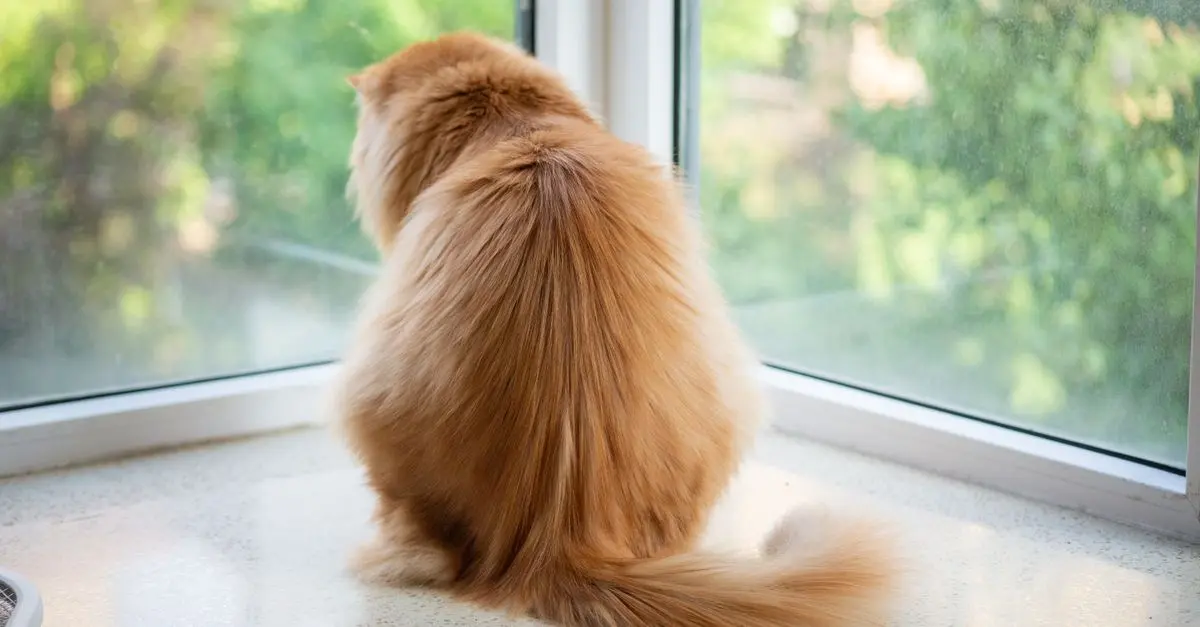
- Safe Exploration: Cats appreciate window perches or safe outdoor enclosures (catios) allowing them to observe nature. For dogs, a securely fenced yard is essential for safe exploration.
- Sensory Engagement: Use pet-friendly plants that provide natural stimulation. For example, catnip may be highly stimulating for cats.
3. Implement Routine and Variety
Routine is critical but introducing variety keeps the experience fresh for your pets. Regular playtimes should be included in their daily schedules, combined with varying types of activities to prevent boredom.
For Dogs: Consider incorporating different games, like fetch, tug-of-war, and hide-and-seek, to keep their interest alive. For instance, if you usually walk your dog around the block, try a local park or a nature trail occasionally.
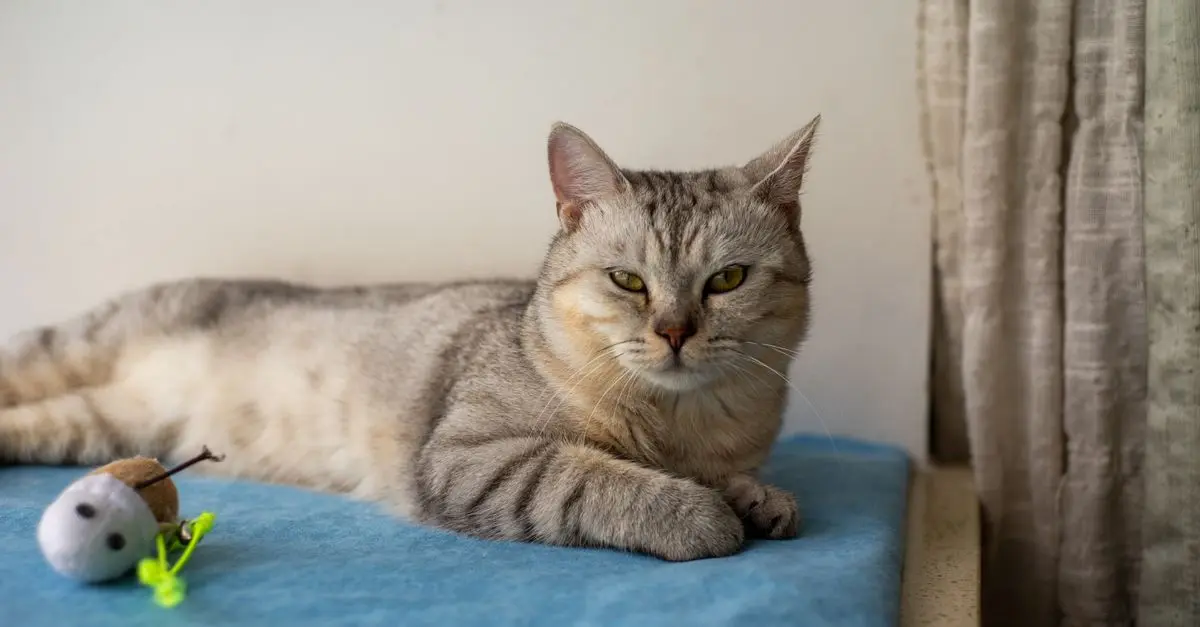
For Cats: Engage them in playful activities like laser pointers or feather wands that mimic hunting behaviors, capitalizing on their natural instincts. Changing up the toys or introducing new play events every month can keep them engaged.
A study by Les Numériques found that pets who experienced a range of activities exhibited fewer behavioral issues and greater overall satisfaction. Thus, maintaining a diverse set of activities is crucial.
4. Social Interaction and Training
Socializing your pets within a supportive environment enhances their emotional well-being. Interaction with other pets and humans can help them develop better social skills. Consider holding playdates with other pets when safe or even enrolling them in training classes or agility courses.
Training sessions also serve as mental workouts. Teaching new commands or tricks can enhance your pet's cognitive skills and strengthen the bond between you. Expert opinion suggests that shorter, more frequent training sessions sustain your pet's attention better than longer ones.
5. Create Comfort Zones
A stimulating environment should also include spaces dedicated to relaxation. After engaging in activities, pets need their quiet areas to recharge. Designate cozy corners with soft bedding, away from high-traffic areas where they can retreat and feel secure.
For dogs, crates or your personal space can serve as their safe zones. For cats, small sheltered areas or boxes placed around the home can provide them with a private retreat.
Reflect on integrating calming music or pheromone diffusers into their relaxation space, which can alleviate anxiety and promote restful environments.
Conclusion
A stimulating environment is vital to the happiness and health of your pets. By understanding their needs, optimizing your space, varying routines, providing socialization, and creating comfort zones, you can significantly enhance your pet's life. Make these changes gradually, and observe how your pet reacts to refine their space according to their preferences.
Checklist Before Starting:
- [ ] Assess your pet's unique needs and preferences.
- [ ] Designate interactive and relaxing areas in your space.
- [ ] Implement a routine enriched with varied activities.
- [ ] Incorporate socialization opportunities.
- [ ] Monitor your pet’s engagement and comfort levels regularly.
Glossary
| Terme | Définition |
|---|---|
| Enrichment | Methods and tools that provide stimulation and engagement for pets in their living environment. |
| Stimulating Environment | A setup designed to ensure pets have ample physical, mental, and social engagement. |
| Socialization | The process of fostering positive interactions between pets and humans or other animals. |
📺 Video Resources for Enrichment Ideas
> 📺 For further insights: Explore engaging ways to enrich your pet's life. Search on YouTube: how to create a stimulating environment for pets.
🧠 Quick Quiz: What is essential for a pet’s stimulating environment?
- A) Boredom
- B) Interaction and exploration
- C) Isolation
Answer: B — Interaction and exploration are crucial for enhancing your pet's mental health and happiness.
📺 Pour aller plus loin : how to create a stimulating environment for pets sur YouTube
Recommended products
Selected by our experts