Table of Contents (11 sections)
Creating an engaging environment for your pets is essential to their overall well-being and happiness. This guide provides a comprehensive step-by-step approach to enhance your pet’s life. By following these steps, you're not only improving their living conditions but also ensuring they lead a stimulating and fulfilling life.
Table of Contents
- Understanding the Importance
- Step 1: Assess Your Space
- Step 2: Introducing Sensory Stimulation
- Step 3: Creating Interactive Play Areas
- Step 4: Establishing Safe Spaces
- Step 5: Regularly Update the Environment
- Checklist for a Pet-Friendly Setup
- FAQ
Understanding the Importance
Creating an engaging environment for your pets means fostering a space that encourages natural behaviors, reduces boredom, and promotes exercise. According to the American Society for the Prevention of Cruelty to Animals (ASPCA), pets that live in stimulating environments tend to exhibit fewer behavioral issues and have better physical health. Pets, just like humans, thrive on engagement — both mentally and physically. An engaging environment can help prevent issues such as anxiety, obesity, and destructive behaviors. So, setting up an enriching atmosphere is not just a luxury but a necessity for happy and healthy pets.


Shiseido Ultimate Sun Protector Lotion & Urban Environment Bundle ($78 Value)
shiseido.com

Step 1: Assess Your Space
Before embarking on the journey to enhance your pet's environment, conduct a thorough assessment of your current living situation. This involves evaluating the available space, furniture, and potential hazards.
Key Considerations:
- Size of Living Space: Your pet’s size will dictate how much space you can allocate for play and rest areas. Larger breeds may need more room to roam.
- Current Layout: Identify furniture that can be repurposed or rearranged for better flow and access. Think about using vertical space too; shelves and cat trees can be ideal for small apartments.
- Safety Hazards: Ensure there are no electrical cords, poisonous plants, or sharp objects within your pet's reach. This is crucial for both dogs and cats, who often explore their environment with their mouths and paws.
Take notes on potential improvements and envision how you can transform your current space into a pet-friendly haven.
Step 2: Introducing Sensory Stimulation
Once you understand your existing space, the next step is to enhance sensory stimulation for your pet. This can include a variety of senses: sight, sound, smell, and touch.
Examples of Sensory Enhancements:
- Visual: Use colorful toys and textured blankets to stimulate visually. Changing the environment with different colors can create enthusiasm and alertness in pets.
- Sound: Consider a gentle background sound system or even pet-friendly music that is known to soothe and calm animals.
- Smell: Introduce new scents with diffusers designed for pets, or create a designated sniffing area with various safe items from the outdoors.
- Touch: Different materials can appeal to your pet's tactile sense. Soft beds, scratching posts, and even different surfaces will keep their paws and minds busy.
In essence, sensory stimulation is crucial; it encourages exploration and curiosity, contributing to your pet’s emotional and mental well-being.
Step 3: Creating Interactive Play Areas
An interactive play area is vital for encouraging exercise and mental stimulation. This space should be designed for active engagement, offering your pet various activities.
How to Create Interactive Areas:
- Toys: Choose a variety of toys that promote interaction. Puzzle toys for dogs and interactive cat toys can keep them entertained for hours.
- Agility Equipment: If space allows, consider setting up agility courses using safe, soft materials for jumping and climbing.
- Interactive Games: Design activities that require your pet to work for treats or solve a problem, enhancing their cognitive skills and keeping them happy.
Remember, the goal of integrating interactive play areas is to see pets exercise their natural behaviors, which is beneficial long-term.
Step 4: Establishing Safe Spaces
Pets also need places where they can feel safe and secure, especially during stressful situations like fireworks or renovations.
Creating Safe Zones:
- Designated Area: Establish a quiet zone for your pet that includes their bed, favorite toys, and perhaps a few items that smell like you.
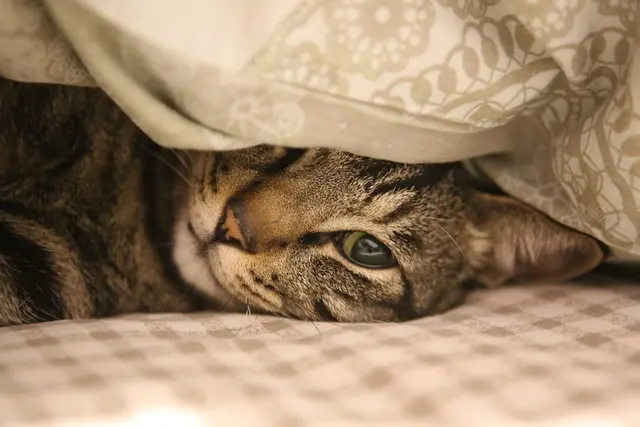
- Hidden Retreats: For more shy animals, igloo-style beds or cave-like structures can provide a cozy refuge during stressful times.
- Accessible Materials: Ensure that the area is stocked with water, and allow easy access to food or outside area options to reduce anxiety.
Having a safe space for your pet helps them relax and regroup, which is crucial for both their mental and emotional health.


Resenkos - Kadyn Study Writing Desk, Computer Desk,79" Two Person Desk, Computer Desk Double Office Desk - Brown
bestbuy.com

frank green franksters Ceramic Reusable Bottle - 16oz 475ml - Khaki
us.frankgreen.com
Step 5: Regularly Update the Environment
Just like us, pets can get bored with their surroundings. Therefore, maintaining an engaging environment means continually updating and changing their space.
Tips for Regular Updates:
- Rotate Toys: Every couple of weeks, rotate the toys and materials in and out of circulation. This keeps things fresh and exciting.
- Explore New Activities: Regularly introduce new games or activities, such as hide-and-seek or scavenger hunts, to keep their minds active.
- Seasonal Changes: Adapt the environment as seasons change. For example, in the summer, you might want to provide shade and hydration stations outside.
Keep in mind that boredom can lead to destructive behaviors, so making it a habit to update the living conditions will foster lifelong engagement.
Checklist for a Pet-Friendly Setup
- [ ] Assess your living space for safety and stimulation.
- [ ] Introduce sensory enhancements (visual, sound, smell, touch).
- [ ] Create an interactive play area with diverse activities.
- [ ] Establish a calm, safe space for your pet.
- [ ] Regularly update toys and activities to prevent boredom.
Q: Why is a stimulating environment important for pets?
A: A stimulating environment promotes mental and physical health, reduces anxiety, and improves overall behavior.
Q: How often should I update my pet’s environment?
A: Aim to update or rotate toys and activities every few weeks to keep things fresh.
Q: What types of sensory enhancements can I use?
A: Use colorful toys, gentle sounds, safe scents, and various textures to stimulate your pet's senses.
Q: How can I create an interactive play area?
A: Incorporate toys, agility equipment, and interactive games that require problem-solving.
Glossaire
| Terme | Définition |
|---|---|
| Enrichissement | Activités et éléments qui améliorent la qualité de vie d'un animal. |
| Sensory Stimulation | Utilisation de la vue, du son, de l'odorat et du toucher pour engager un animal. |
| Safe Space | Zone dédiée où un animal se sent protégé et détendu. |
📺 Pour aller plus loin: Watch this informative video on creating a pet-friendly home, exploring various solutions to enhance your pets' environment. Search on YouTube: "how to create engaging environments for pets 2026".
📺 Pour aller plus loin : how to create engaging environments for pets 2026 sur YouTube
Recommended products
Selected by our experts

frank green franksters Ceramic Reusable Bottle - 20oz 595ml - Neon Orange
us.frankgreen.com

frank green franksters Ceramic Reusable Bottle - 20oz 595ml - Lilac Haze
us.frankgreen.com

frank green franksters Ceramic Reusable Bottle - 16oz 475ml - Lilac Haze
us.frankgreen.com

frank green franksters Ceramic Reusable Bottle - 20oz 595ml - Khaki
us.frankgreen.com

frank green franksters Ceramic Reusable Bottle - 16oz 475ml - Neon Pink
us.frankgreen.com

frank green franksters Ceramic Reusable Bottle - 20oz 595ml - Buttermilk
us.frankgreen.com