Table of Contents (10 sections)
Creating enrichment activities for pets is essential for their mental stimulation, overall happiness, and well-being. These activities are designed to engage a pet's natural instincts, helping them stay physically active and mentally alert.
Enrichment can take many forms, from interactive toys and games to structured training exercises and outdoor adventures. According to a study by Veterinary Behaviorists, pets that engage in regular enrichment activities show less behavioral problems and a stronger bond with their owners. In this article, we will cover step-by-step how to create the perfect enrichment activities tailored to your pet's needs.
Step 1: Understand Your Pet’s Natural Behaviors
Before designing enrichment activities, it’s crucial to understand your pet's natural behaviors and instincts. Different species and breeds exhibit distinct needs. For example, dogs are pack animals and enjoy activities that involve problem-solving, while cats are natural hunters that benefit from play that stimulates their predatory instincts.
Tip: Observe your pet during playtime to identify their favorite activities. Do they prefer chasing, hiding, or digging? These insights can help you develop activities that cater specifically to their preferences.
Common Pitfalls: Avoid activities that frustrate your pet; if they struggle too much, they may lose interest. Instead, start with simpler tasks that they can easily succeed at, gradually increasing complexity as they gain confidence.
Step 2: Choose the Right Materials
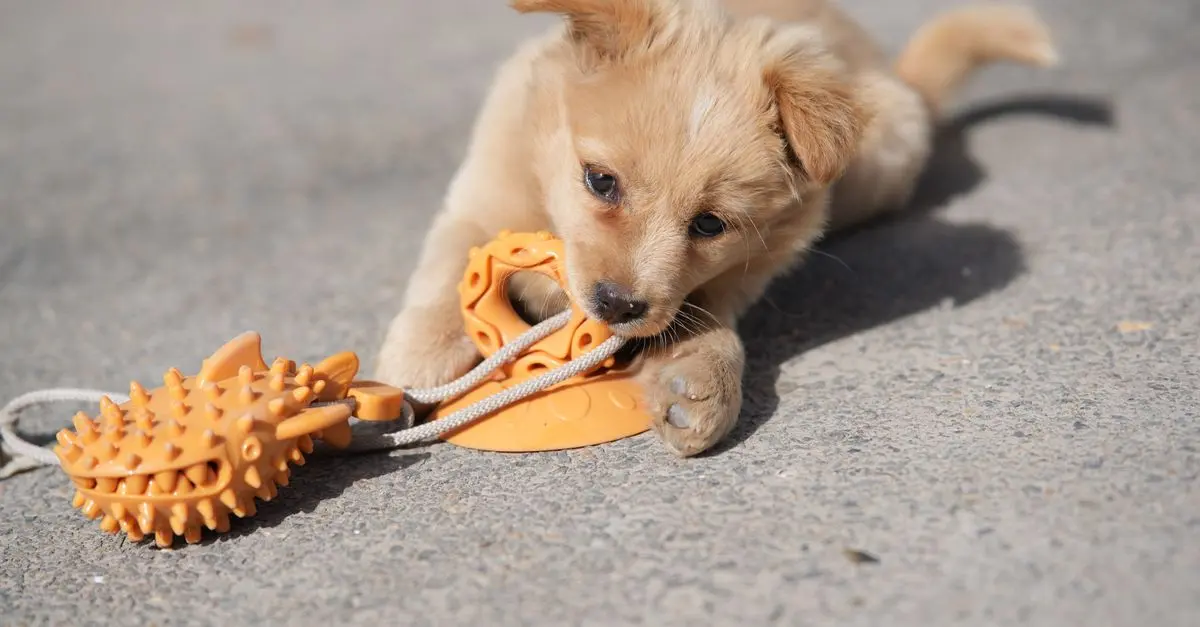
Selecting the right materials is crucial for developing engaging enrichment activities. Depending on your pet’s species, you might need various toys, puzzles, or equipment. For dogs, options such as interactive treat-dispensing toys can stimulate their cognitive abilities. For cats, providing boxes, tunnels, or feather wands encourages their hunting instincts.
Checklist of Materials:
- Durable toys that can withstand chewing or scratching.
- Puzzle feeders for mental engagement.
- Natural items such as branches or grasses for sensory experiences.
Research indicates that pets with access to a variety of toys engage more in physical play, thus improving their mood and energy levels. Just ensure the toys are safe and appropriate for your pet’s size and breed.
Step 3: Create Structured Playtime
Having a routine for playtime can enhance the experience of enrichment activities for your pet. Schedule time each day for direct interaction, ensuring it is dedicated solely to them. This not only reinforces bonding but gives your pet something to look forward to.
Here’s how to structure it:
- Set aside 15-30 minutes a day for active play.
- Rotate toys regularly to maintain interest.
- Incorporate both indoor and outdoor activities to keep things varied.
Research shows that pets involved in regular playtime can display fewer behavioral issues and contribute positively to a more peaceful household. Just remember to tailor the sessions to your pet's energy levels—some might prefer short bursts while others could enjoy longer engagement.
Step 4: Engage Their Senses
Enhancing sensory experiences can significantly improve your pet's enrichment activities. Use scent trails, sounds, and visual stimuli to engage them in fun tasks. For example, you could hide treats around the house and ask your dog to find them, providing a thrilling olfactory and mental challenge.
For cats, creating high-perches or providing a view outside can stimulate curiosity. Caution: Always supervise your pet during these activities to prevent any accidents or ingestion of non-edible items.
Professional Tip: Incorporate items such as catnip for cats or peanut butter for dogs to increase engagement and enjoyment.
Step 5: Monitor and Adjust
Lastly, it's important to regularly assess the effectiveness of the enrichment activities you’ve implemented. Pay attention to your pet's reactions: Are they excited? Engaged? Or do they appear bored or frustrated? This feedback is essential in tailoring future activities.
Consider documenting your pet’s responses to different activities so you can identify patterns and preferences over time. Adjust the tasks based on what seems to bring joy or challenge them effectively.
📺 Resource Video
> 📺 For a deeper dive: How to Enrich Your Pet’s Life with Fun Activities, a comprehensive guide. Search on YouTube: "enrichment activities for pets".
Comparison Table of Different Enrichment Activities
| Activity | Best For | Benefits | Frequency Needed |
|---|---|---|---|
| Interactive Toys | Dogs | Cognitive Challenge | Daily |
| Treat Scavenger Hunt | Dogs & Cats | Problem Solving | Weekly |
| Puzzle Feeder | Dogs | Slower Eating | Daily |
| Climbing Trees/Parks | Cats | Physical Exercise | Weekly |
Checklist for Effective Enrichment Activities
- [ ] Identify pet’s natural behaviors
- [ ] Choose appropriate materials
- [ ] Establish structured play times
- [ ] Engage multiple senses
- [ ] Monitor and adjust activities based on pet’s responses
Glossary
| Term | Definition |
|---|---|
| Enrichment | Activities designed to stimulate pets mentally and physically. |
| Interactive Toys | Toys that encourage engagement through problem solving. |
| Sensory Stimulation | Activities that appeal to a pet’s senses, including sight, sound, and smell. |
🧠 Quick Quiz: What is the most beneficial form of enrichment for dogs?
- A) Long walks
- B) Interactive toys
- C) Solo playtime
Answer: B — Interactive toys enhance cognitive skills and prevent boredom.
In conclusion, creating the perfect enrichment activities for your pet involves understanding their natural instincts, choosing the right materials, and crafting structured and sensory-rich experiences. By observing, adjusting, and staying engaged, you’ll enhance your pet’s happiness and well-being, transforming their daily routine into a fulfilling adventure.
📺 Pour aller plus loin : enrichment activities for pets sur YouTube