Table of Contents (12 sections)
What Are Enrichment Activities for Pets?
Enrichment activities for pets are designed to engage their senses, stimulate their minds, and nurture their natural instincts. Pets, whether dogs, cats, or smaller animals, can often fall into a rut if not provided with sufficient mental and physical stimulation. These activities can range from simple toys that hide treats to complex puzzles that encourage problem-solving. According to the American Society for the Prevention of Cruelty to Animals (ASPCA), mental stimulation is as crucial as physical exercise for pets. Pets that lack this stimulation may exhibit behavioral problems, including excessive barking, chewing, or indoor elimination. Therefore, creating a variety of enrichment activities helps not only to keep pets happy but also promotes overall health and well-being.
Step-by-Step Guide to Creating Enrichment Activities
Step 1: Assess Your Pet’s Interests
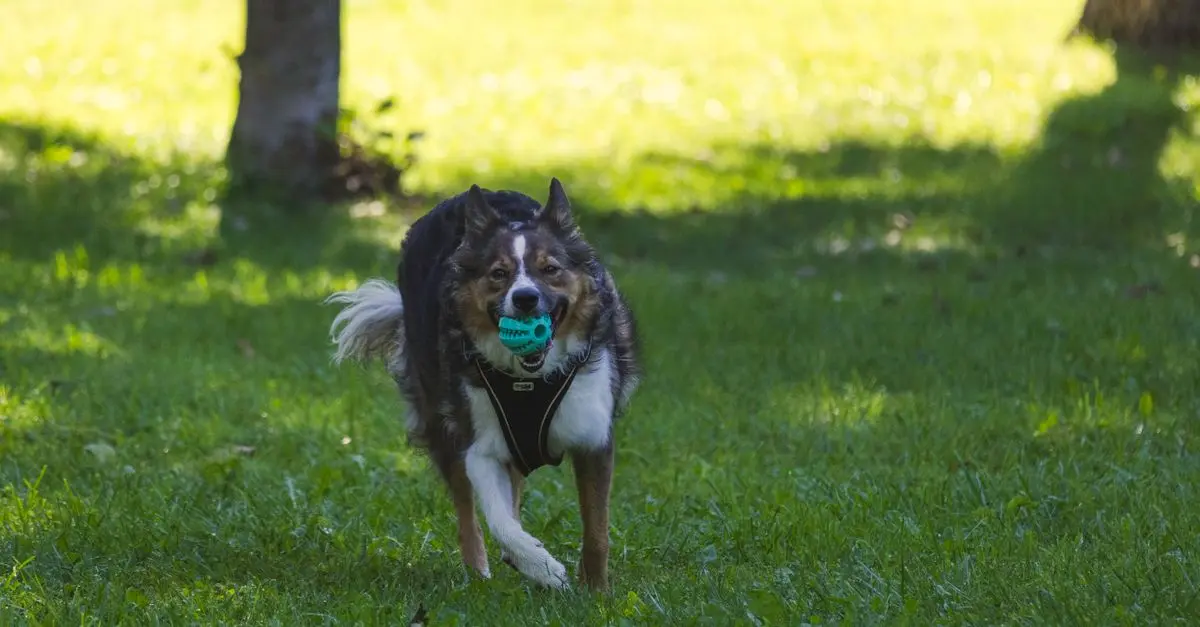
Before diving into crafting enrichment activities, assess what your pet enjoys. Does your dog love sniffing around? Is your cat fond of climbing? By identifying these preferences, you can tailor enrichment activities that resonate with them. Consider spending a few hours observing their behaviors, noting which toys they gravitate towards and what activities seem to excite them. For example, if your dog loves retrieving, incorporating fetch in a unique way could enhance their enjoyment.
Step 2: Gather Materials
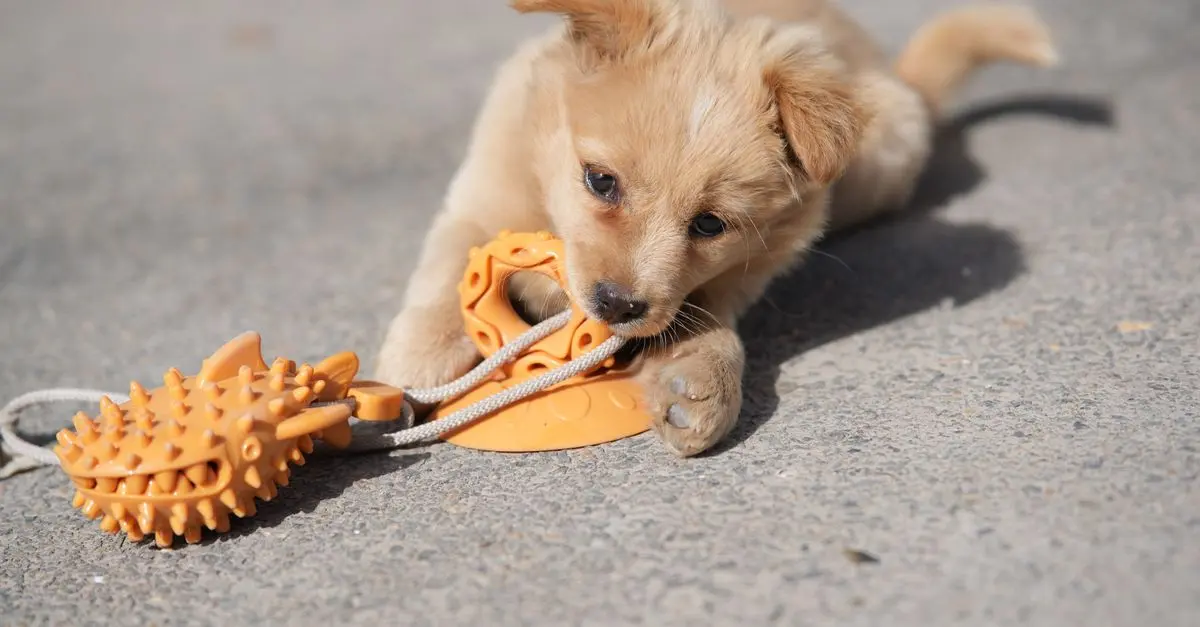
Once you have a good understanding of your pet’s interests, gather materials to create enriching activities. Common items include cardboard boxes, old clothes, and various safe household objects. For example, you could make a DIY puzzle feeder using a muffin tin and tennis balls to hide treats. Ensure all materials are safe for your pet to avoid any choking hazards.
Step 3: Create Engaging Challenges
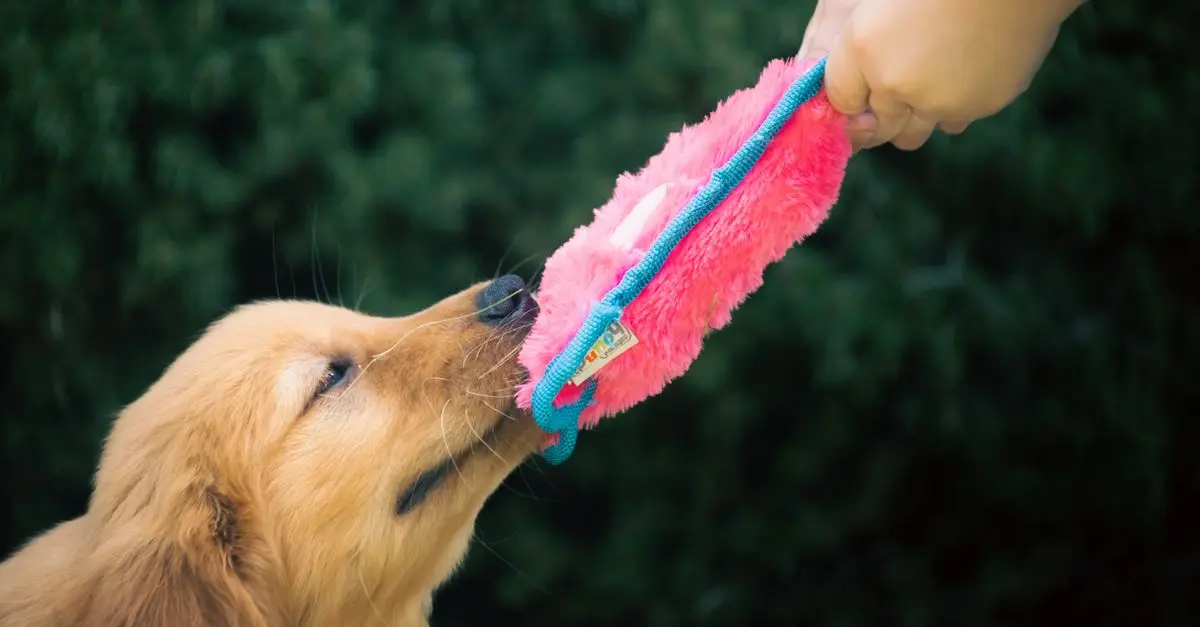
Introduce challenges that align with your pet's natural behaviors. For dogs, training exercises can be both fun and challenging, such as teaching them to navigate an agility course made from household items. For cats, consider using a laser pointer or creating a scavenger hunt with their favorite toys. These activities will not only stave off boredom but also strengthen your bond as you work together to achieve tasks.
Step 4: Vary the Routine
Pets thrive on variety. Consistently rotating enrichment activities prevents monotony. Try out new toys or games weekly to retain your pet’s interest. Incorporate seasonal elements into the activities, like hiding treats in snow during winter for your dog to find. Keeping the environment dynamic helps ensure that your pet remains engaged and excited.
Step 5: Monitor and Adjust
After implementing various enrichment activities, monitor your pet's responses. Are they engaged or losing interest? Adjust the difficulty level according to their feedback. If your cat quickly masters a puzzle, level up the challenge. Conversely, if your dog seems frustrated, simplify the task to keep them motivated. Tailoring activities based on your observations ensures a rewarding experience for both of you.
Comparative Analysis of Different Enrichment Methods
| Enrichment Method | Benefits | Disadvantages | Recommended For |
|---|---|---|---|
| Puzzle Toys | Stimulates problem-solving skills | Can be frustrating for some pets | Smart pets, dogs, cats |
| Physical Exercise | Enhances physical fitness and reduces obesity | Requires space and time | Active dogs |
| Sensory Stimulation | Engages all senses, satisfying natural instincts | Overstimulation can occur | All pets |
| Social Interaction | Builds social skills and reduces anxiety | Not suitable for all pets | Friendly pets |
Understanding the Impact of Enrichment Activities
According to a study by Friedmann et al. (2023), pets that regularly participate in enrichment activities show significant improvements in mood and behavior. The findings indicated that 78% of pets engaged in regular enrichment exhibited reduced anxiety and improved sociability. This direct link between mental stimulation and pet behavior highlights the importance of implementing enrichment activities into daily routines. Moreover, enriched pets are more focused and responsive in training sessions, ultimately leading to better obedience and overall health.
FAQ about Enrichment Activities for Pets
Q: How often should I provide enrichment activities for my pet?
A: Aim for at least 15-30 minutes of enrichment each day, adjusting based on your pet's energy levels and needs.
Q: What should I do if my pet shows no interest in enrichment activities?
A: Experiment with different types of activities. Your pet might respond better to physical games than puzzles, or vice versa.
Q: Are commercial enrichment toys worth the investment?
A: Many commercial toys provide excellent stimulation; however, DIY options can be equally enriching and are often more affordable.
Q: Can I over-stimulate my pet?
A: Yes, over-stimulation can lead to anxiety. Monitor your pet’s behavior and provide a calm space for them to retreat if needed.
Checklist for Enrichment Activities
- [ ] Assess my pet's interests.
- [ ] Gather safe, engaging materials.
- [ ] Create varied challenges based on natural behaviors.
- [ ] Rotate enrichment activities regularly.
- [ ] Monitor responses and adjust difficulty levels as necessary.
📺 Pour aller plus loin : how to create enrichment activities for pets 2026 sur YouTube