Table of Contents (11 sections)
Creating a pet-friendly home is essential for pet owners who want to ensure that their furry friends are safe, comfortable, and happy. In this guide, we’ll explore practical steps you can take to pet-proof your living space effectively.
1. Assess Your Space
Before making any changes, it's crucial to assess your home. Look for areas that could be hazardous to your pets. Check for loose wires, toxic houseplants, or anything that could potentially cause harm.
Common hazards include:
- Toxic plants: Many common houseplants, such as lilies and philodendrons, can be harmful to pets. Research which plants are safe for your furry friends before introducing them into your home.
- Sharp objects: Items like scissors, paper clips, or broken glass should be stored in secure places out of reach of pets.
Pro Tip: Keep a detailed checklist of areas to review in each room. This will help you remember critical spots that could pose a risk.
During your assessment, take notes to identify specific challenges your pets may face in different areas of your home.
2. Choose Pet-Friendly Furnishings
Selecting appropriate furniture is vital for a pet-friendly home. When shopping for sofas or chairs, look for durable, stain-resistant fabrics that can withstand scratches and spills.
Consider these materials:
- Microfiber: Easy to clean and resistant to stains.
- Leather: Durable and can often be wiped down for easy maintenance.
Common Mistakes to Avoid:
- Choosing light-colored fabrics that can easily stain.
- Selecting delicate items that can be easily damaged by pets.
Regular cleaning and maintenance of your furniture can significantly extend its life and keep it looking new.
3. Create Safe Zones
Designate specific areas in your home as pet zones. This helps keep your pets safe and allows them to retreat to a comfortable space when they need it.
How to create a safe zone:
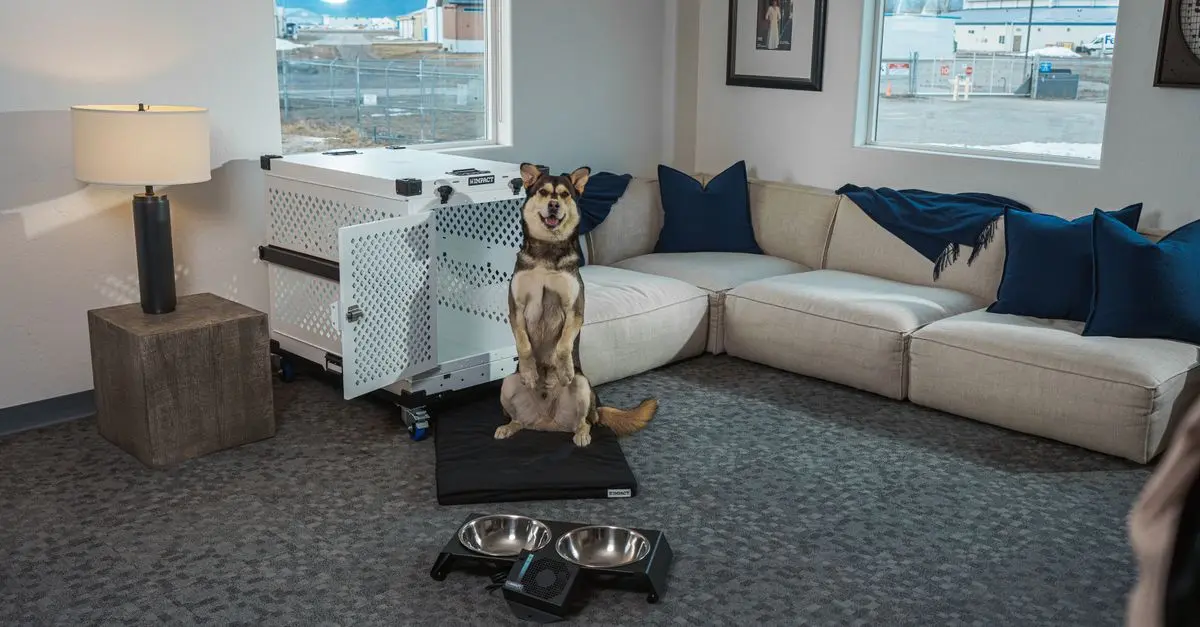
- Provide a cozy bed or a pet crate in quiet areas of your home, such as your bedroom or a corner in the living room.
- Include toys, fresh water, and food bowls to make the space inviting.
Statistics from a survey suggest that over 70% of pet owners noted improved behavior when their pets had designated spaces in the home (source: The Pet Industry Federation).
4. Secure Hazardous Items
It’s crucial to ensure that hazardous items are out of your pet's reach. This includes cleaning supplies, medications, and dangerous tools or equipment like scissors or sharp knives.
What to do:
- Store all cleaning products in high cabinets or locked storage.
- Use childproof locks on cabinets where items may pose a risk.
Common Errors:
- Forgetting about small items like rubber bands or coins that can be ingested. Always do a final check of the floor and surfaces after cleaning or organizing.
5. Invest in Quality Pet Supplies
High-quality supplies can enhance the pet-friendly nature of your home. Focus on items that aid training, safety, and comfort.
Consider investing in:
- Durable chew toys: Look for non-toxic, durable options that don’t easily break.
- Non-slip mats: These can prevent slipping in areas where pets eat or navigate frequently, reducing the risk of accidents.
Judicious Buying: When shopping for supplies, check reviews and opt for brands with a reputation for quality and safety. Brands like Kong and PetSafe are typically endorsed by users for durability and safety.
6. Establish a Cleaning Routine
Maintaining a clean environment is essential for pet owners. A regular cleaning routine helps minimize odors, fur, and allergens in your home.
Action Steps:
- Vacuum carpets, furniture, and other surfaces at least once a week.
- Use pet-safe cleaning supplies to ensure your furry friends are not exposed to harmful chemicals.
Check This Out:
A cleaning schedule can also help you monitor any problem areas, such as spots where your pet tends to shed more.
7. Educate Yourself on Pet Behavior
Understanding your pet's behavior can help you create a pet-friendly home. Each pet may require different approaches to their care and environment.
Research Typical Behaviors:
- Cats often climb and scratch; providing vertical space and scratching posts is critical.
- Dogs might require space to run; consider outdoor safety and play area.
Mistakes to Avoid:
Ignoring signs of stress or anxiety in your pets can lead to adjustments that may be harmful; be alert to changes in behavior as an indicator of comfort in your space.
📺 For further insights:
- [How to Pet-Proof Your Home], a detailed review of practical strategies for making your home safer for pets. Search on YouTube:
how to pet-proof your home.
Checklist before making your home pet-friendly
- [ ] Conduct a safety assessment of your home
- [ ] Choose durable and easy-to-clean furniture
- [ ] Create designated safe zones for your pets
- [ ] Secure hazardous items and supplies
- [ ] Invest in quality pet products
- [ ] Establish a regular cleaning routine
- [ ] Continuously educate yourself on pet behaviors
Glossary
| Terme | Définition |
|---|---|
| Pet-proofing | The process of making your home safe and comfortable for pets by removing hazards and providing appropriate spaces. |
| Durable Materials | Fabrics or materials resistant to wear, stains, and pet damage. |
| Safe Zones | Designated areas within the home where pets can retreat for comfort and security. |
> 🧠 Quick Quiz: What is the best material for pet-friendly furniture?
> - A) Cotton
> - B) Microfiber
> - C) Silk
> Answer: B — Microfiber is durable and easy to clean, making it ideal for pet owners.
📺 Pour aller plus loin : how to pet-proof your home sur YouTube