Table of Contents (10 sections)
🌊 Understanding Coral Reefs
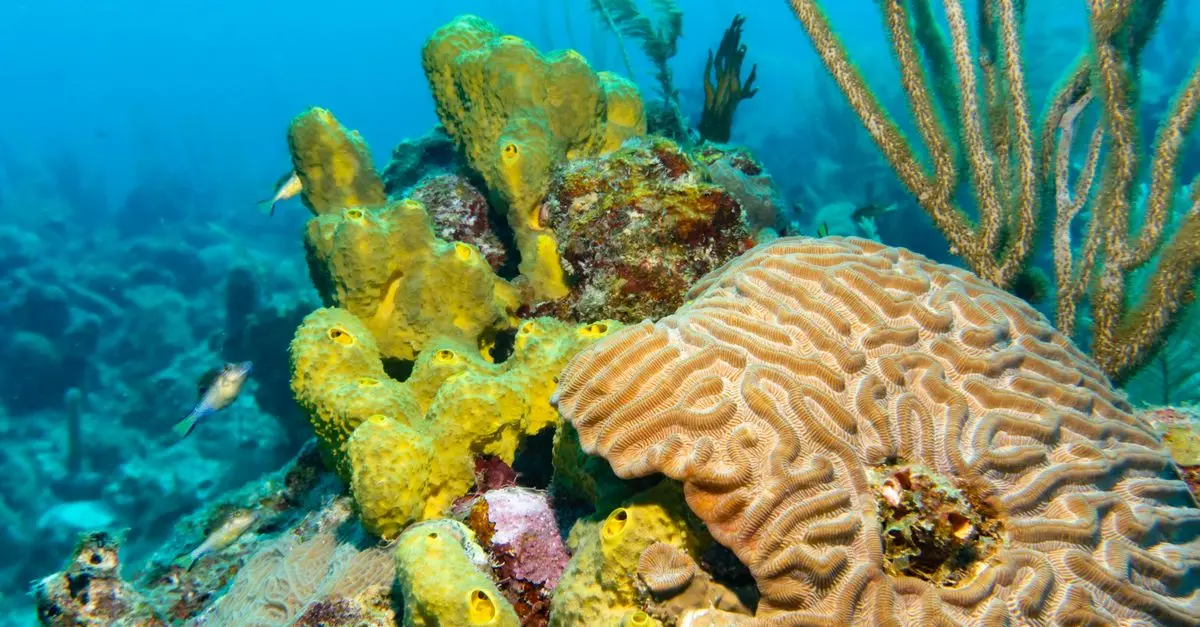
Coral reefs are diverse underwater ecosystems, often referred to as the rainforests of the sea due to their rich biodiversity. Comprising only 0.1% of the ocean floor, these ecosystems support 25% of all marine life, making them crucial for maintaining biodiversity in the ocean. Coral reefs not only provide habitat and shelter but also act as natural barriers protecting coastlines from erosion and storms.
Studies by organizations such as the National Oceanic and Atmospheric Administration (NOAA) report that these ecosystems generate approximately $30 billion annually through tourism, fisheries, and coastal protection Source: NOAA. While coral reefs are fundamentally important for the marine environment, their existence is threatened by human activities and climate change.
🧬 The Role of Coral Reefs in Marine Ecosystems
Coral reefs play a vital role in ocean health. They provide habitat for countless marine species, from small fish to large predators. This biodiversity is crucial as it contributes to resilient ecosystems capable of withstanding environmental changes. Coral reefs also support nearby ecosystems like mangroves and seagrass beds by cycling nutrients in the water.
United Nations Environment Programme (UNEP) highlights that the loss of reefs would lead to the collapse of these interconnected marine environments. Reefs support complex food webs and sustain commercial fish populations, which are essential for local communities relying on fisheries. The intricate relationships within reef ecosystems demonstrate their indispensable role in ocean health.
🎣 How Coral Reefs Benefit Human Activities
Coral reefs significantly impact human activities through several pathways. They are a resource for fishing industries, offering a wide variety of marine life that is essential for food security. Pew Charitable Trusts estimates that around 500 million people depend directly on coral reefs for food and income from tourism Source: Pew Charitable Trusts.
Tourism centered around coral reefs generates significant revenue. Snorkeling and diving in these vibrant ecosystems attract millions of tourists annually. This influx of visitors supports local economies and fosters awareness for conservation efforts, emphasizing the financial and cultural importance of sustaining healthy reefs for future generations.
🌎 Coral Reefs: Climate Mitigators and Indicators
In the face of climate change, coral reefs serve as essential climate buffers. They absorb carbon dioxide, helping mitigate the effects of global warming. However, they are also sensitive indicators of climate health. Events like coral bleaching occur due to increased sea temperatures and are a visible testament to environmental changes.
According to The Intergovernmental Panel on Climate Change (IPCC), long-term protection strategies for reefs include reducing greenhouse gas emissions and implementing local conservation efforts to enhance their resilience. By preserving these ecosystems, we retain a natural ally in the fight against climate change.
📊 Comparative Analysis: Reef Types and Benefits
Here's a quick comparison of different reef types and their associated benefits:
| Reef Type | Location | Main Species Supported | Key Benefits |
|---|---|---|---|
| Barrier Reefs | Coastal edges | Fish, turtles, sea birds | Coastal protection |
| Fringing Reefs | Near shores | Fish, crustaceans | Tourism, fishing |
| Atoll Reefs | Pacific & Indian Oceans | Sharks, mollusks | Biodiversity |
| Patch Reefs | Open water | Coral, sponges, fish | Marine research |
🤔 Frequently Asked Questions
- What are coral reefs?
Coral reefs are underwater structures composed of reef-building corals. These colonies provide habitat for various marine species.
- How do coral reefs form?
Coral reefs form from the skeletal deposits of coral polyps over thousands of years, developing into complex structures.
- Why are coral reefs dying?
Coral reefs are threatened by climate change, ocean acidification, pollution, and destructive fishing practices.
- Can coral reefs recover from bleaching?
Reefs can recover over time if stressors are removed, but frequent or severe bleaching events can cause permanent damage.
🧠 Quick Quiz
> 🧠 Quick Quiz: How much of the marine species diversity do coral reefs support?
> - A) 5%
> - B) 15%
> - C) 25%
> Answer: C — Coral reefs support 25% of marine species diversity, making them essential for ocean life.
Glossary
| Terme | Définition |
|---|---|
| Coral Bleaching | Loss of algae from coral, leading to white appearance and reef stress. |
| Polyps | Small, colorful marine animals forming reefs. |
| Atolls | Ring-shaped coral reefs surrounding a lagoon. |
📋 Checklist for Reef Conservation
- [ ] Support sustainable tourism practices
- [ ] Reduce personal carbon footprint
- [ ] Participate in reef cleanup activities
- [ ] Promote awareness through education
- [ ] Advocate for policy changes on climate action