Table of Contents (10 sections)
Understanding Nocturnal Animals
Nocturnal animals are creatures that are primarily active during the night. Unlike diurnal animals, which are active during the day, nocturnal animals have evolved to adapt to the darkness. This behavior is not just limited to mammals but extends to birds, insects, and reptiles. The reasons for this nocturnal lifestyle vary. For some, it might be the abundance of prey during the night, while others might be avoiding daytime predators.
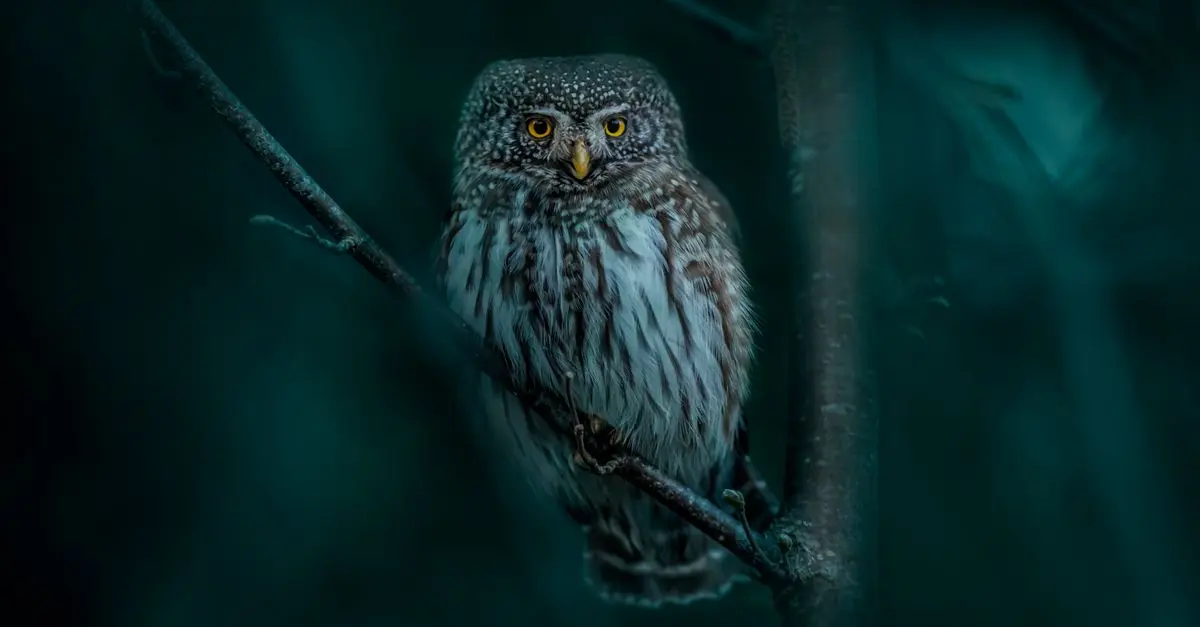
One fascinating aspect of nocturnal animals is their reliance on senses other than sight. Bats, for example, use echolocation to navigate and find food in the dark. Owls, with their exceptional night vision and acute hearing, are perfect predators in low-light environments. Various species of insects, like moths, are drawn to light sources, which is an intriguing behavior still studied by scientists today.
Nocturnal behavior offers different evolutionary advantages. For instance, cooler nighttime temperatures allow animals to conserve energy. Additionally, competition for food is reduced in some cases since fewer predators hunt during these hours. This niche adaptation has allowed nocturnal animals to thrive in environments that may otherwise be densely populated during the day.
Adaptations for the Night
Nocturnal animals have developed unique adaptations to help them survive in the dark. Owls have asymmetric ears, allowing them to locate prey with excellent precision. Their eyes are specially adapted to detect minimal light, giving them an advantage when hunting.
In the insect realm, nocturnal creatures often have heightened senses to navigate effectively. Moths have evolved fine hairs to detect vibrations, aiding them in finding mates and avoiding threats. Amphibians like frogs leverage their camouflage and rely on their skin's sensitivity to light changes, which helps them avoid predators.
Certain mammals, such as the Aardvark, have extensive burrowing habits that coincide with their nocturnal lifestyle. They spend their days in cool underground burrows, emerging at night to feed on ants and termites. This behavior conserves their energy and offers protection against the sun and predators.
The adaptability of these animals highlights the complex interplay of evolutionary pressures that shape their behavior and physiology. Research, such as that done by the Smithsonian and other conservation organizations, continually sheds light on these fascinating evolutionary traits.
Comparing Nocturnal and Diurnal Animals
Comparing nocturnal animals to their diurnal counterparts reveals interesting contrasts and arguments about evolution and ecological niches. Let's analyze some key differences and similarities.
| Feature | Nocturnal Animals | Diurnal Animals | Mixed Activity |
|---|---|---|---|
| Sensory Adaptation | Enhanced hearing/echolocation | Color vision/facial recognition | Seasonal adaptation |
| Environmental Impact | Lower temperature resilience | Sunlight-dependent behavior | Flexible strategies |
| Predatory Behavior | Nightly hunting | Daytime hunting | Opportunistic |
Most nocturnal animals have developed adaptations that allow them to save energy and avoid predation, unlike diurnal animals who rely on sight and daytime activities. Mixed activity species, like cats, show flexibility by hunting at dawn or dusk.
Data on Nocturnal Habits
According to UFC-Que Choisir, about 68% of known mammals exhibit some degree of nocturnal behavior. A study published by the World Wildlife Fund in 2024 found that climate change is pushing some traditionally diurnal species to adopt nocturnal habits to avoid heat stress.
Interestingly, data from INSEE indicates that nocturnal activity peaks between midnight and 4 am for most creatures, aligning with lower ambient temperatures and reduced human interaction. The study of nocturnal habits not only informs conservation efforts but also leads to a better understanding of ecological dynamics and how animals adapt to changing environments.
📺 Ressource Vidéo
📺 To explore more: A Journey into the Night World of Animals, a thorough examination of nocturnal wildlife. Search on YouTube: “nocturnal animals documentary”.
FAQs About Nocturnal Animals
What adaptations help nocturnal animals see in the dark?
Nocturnal animals possess adaptations like enhanced night vision, echolocation, and acute hearing, allowing them to navigate and hunt in low-light environments.
Why are some animals nocturnal?
Being nocturnal helps animals avoid daytime predators, conserve energy in cooler temperatures, and exploit different food resources.
Are all bats nocturnal?
While most bats are nocturnal, some species exhibit diurnal behaviors, particularly in environments with few predators.
How do nocturnal animals find food?
They use specialized senses such as echolocation, acute hearing, and the ability to detect chemical signals to locate their prey in the dark.
Glossary
| Term | Definition |
|---|---|
| Echolocation | A biological adaptation used by some animals to navigate and hunt using sound waves. |
| Asymmetric Ear Placement | An adaptation in certain animals allowing precise sound location. |
| Nocturnal | Active during the night and at rest during the day. |
Checklist for Studying Nocturnal Animals
- [ ] Observe different animal species and their activity patterns.
- [ ] Research the sensory adaptations of nocturnal animals.
- [ ] Identify ecological niches taken by nocturnal species.
- [ ] Study the impact of climate change on nocturnal habits.
- [ ] Record the behavioral changes during lunar cycles.
- [ ] Compare nocturnal habits to diurnal adaptations.
- [ ] Consult studies from reputable organizations like WWF.
💡 Avis d'expert : “Understanding nocturnal adaptations provides insights into evolutionary biology and ecosystems. Continuous study allows us to better protect these creatures in their natural habitats.”
🧠 Quiz rapide :
> Which adaptation is most associated with nocturnal animals?
> - A) Echolocation
> - B) Diurnal Vision
> - C) Seasonal Migration
> Réponse : A — Echolocation is a key adaptation in many nocturnal animals to navigate and hunt in the dark.