Table of Contents (13 sections)
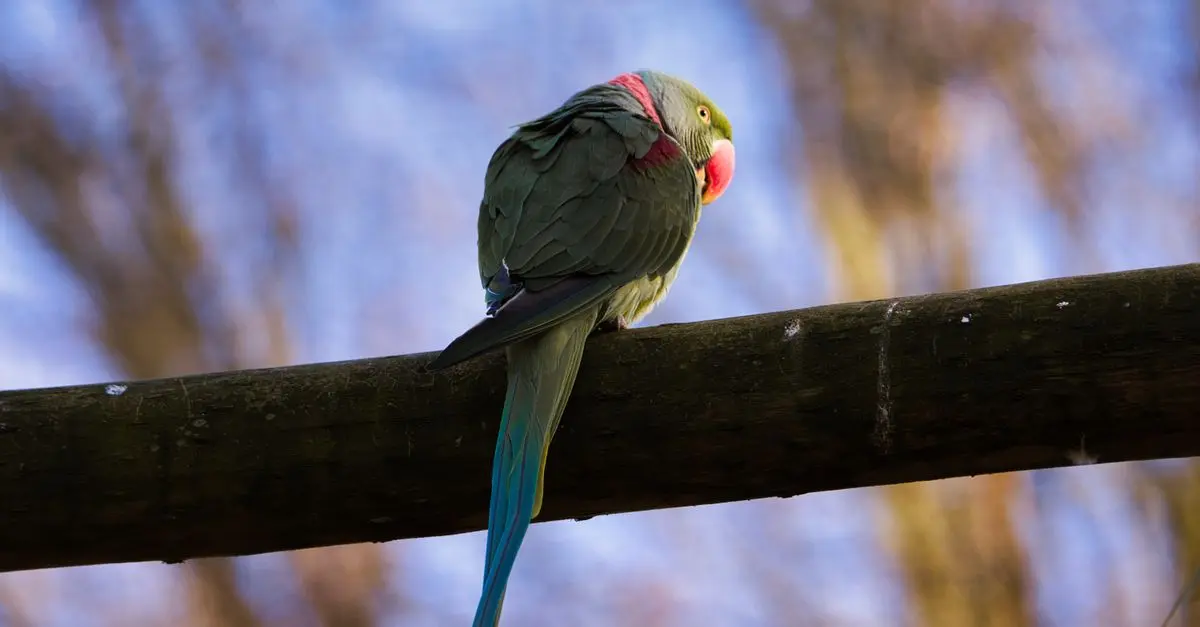
Training your parrot to talk can be a delightful and rewarding experience. Parrots are among the most vocal of birds, known for their ability to mimic human speech. Understanding how to effectively teach your feathered friend to talk can enhance your relationship and contribute positively to their mental stimulation.
Understanding Your Parrot's Potential
Before diving into the training process, it’s important to recognize the potential within your specific parrot species. While almost all parrots can mimic sounds, species like African Grey Parrots and Amazon Parrots are particularly known for their speech abilities. Training can vary significantly based on species, individual temperament, and age.
When beginning your training, be patient. Some parrots may start speaking within weeks, while others might take several months. Consistency is key—daily practice makes a noticeable difference. According to Dr. Irene Pepperberg, a renowned animal psychologist, routine and repetition form the foundation of successful training.
Step-by-Step Guide to Training
1. Create a Conducive Environment
Ensure your parrot is in a stress-free, comfortable environment. Quiet surroundings help them focus. Remove distractions and introduce a training area that your pet associates with positive experiences. Playing soothing music or white noise can sometimes aid in reducing external distractions.
2. Start with Simple Words
Introduce your parrot to simple, frequently used words such as “hello,” “goodbye,” or their name. Repeat these words while maintaining eye contact. Over time, your parrot will associate these sounds with specific contexts or actions, enhancing their learning efficiency.
Use a friendly, consistent tone when you speak. Parrots are good at picking up emotions; ensure your tone is encouraging. Avoid baby talk or high-pitched tones as they might find it confusing.
3. Incorporate Positive Reinforcement
Use treats or praise to reward your parrot when they attempt to utter a word. Behavioral scientist, Steven L. Brenner states that positive reinforcement is crucial in encouraging desired behavior in animals. Each time your parrot mimics a word, offer a small treat or enthusiastic praise.
4. Emphasize Repetition and Consistency
Daily repetition is essential. Spend at least 10-15 minutes twice a day practicing. Keep sessions short to prevent boredom. Over time, gradually increase the complexity of words and phrases.
Remember, consistency extends beyond vocabulary—practice in the same area and time each day to help your parrot establish a learning routine.
5. Use Interactive Tools
Consider playing recordings or using toys that feature recorded words. Many bird trainers recommend using such tools, as they can repeat words consistently without tiring.
Ensuring variety in sounds while maintaining a standard vocabulary can lead to faster learning. Avoid playing recordings for long periods; limit to 10-15 minute sessions to prevent sensory overload.
6. Monitor Progress and Adapt
Observe your parrot’s progress closely. Not all methods work for every bird, so be flexible in your approach. If your parrot struggles with certain words, change your teaching style or take a break before revisiting tough words.
Adaptability in training methods leads to more sustainable language acquisition, according to recent studies in pet psychology by Dr. Francine Delgado.
📺 Video Resource
> 📺 To go further: Understanding Parrot Speech Development. Research on YouTube: "parrot talking training techniques."
Comparative Analysis: Parrot Species Speech Ability
| Species | Speech Ability | Lifespan | Personality | Training Ease |
|---|---|---|---|---|
| African Grey Parrot | Excellent | 40-60 years | Intelligent, Sensitive | High |
| Amazon Parrot | Very Good | 50 years | Playful, Outgoing | Medium |
| Budgerigar | Good | 5-10 years | Curious, Social | Medium |
- How long does it take for a parrot to talk?
It varies; some may speak in weeks while others might take months. Consistency is key.
- Can all parrots learn to talk?
Many can mimic sounds, but their ability to speak depends on species, age, and training.
- What is the best age to start training?
Training is most effective when begun at a young age, but older birds can also learn.
- Why isn’t my parrot speaking yet?
Factors include particular species, training techniques, consistency, and individual character.
Glossary
| Term | Definition |
|---|---|
| Mimicry | The action or skill of imitating someone or something, especially in speech. |
| Reinforcement | The process of encouraging or establishing a belief or pattern of behavior, especially by encouragement. |
| Sensory Overload | The condition of being stimulated beyond one’s ability to process incoming stimuli or information. |
🧠 Quick Quiz: What is most crucial for teaching a parrot to talk?
- A) Repetition
- B) Toys
- C) Silence
Answer: A — Consistent repetition helps in language acquisition.
Engaging and training your parrot to talk involves patience and a mix of techniques. Each interaction strengthens your bond, turning your parrot into a lively companion with whom you can share more than just a cage.