Table of Contents (8 sections)
In recent years, the concept of sustainable zoos has gained significant traction in the conservation and education sectors. But what makes a zoo sustainable? Essentially, a sustainable zoo is one that not only prioritizes animal welfare and habitat preservation but also actively engages in conservation efforts and environmental education. As we delve into 2026, the need for such practices is even more crucial in the face of climate change and biodiversity loss.
Zoos like the San Diego Zoo have pioneered sustainability initiatives by integrating renewable energy sources and reducing waste. According to conservation biologist Dr. Jane Goodall, "Zoos must transform into centers of conservation excellence, educating the public while supporting wildlife protection globally." By adopting sustainable practices, zoos can enhance their role as educational institutions that foster a deeper understanding of the natural world.
Implementing Sustainable Practices in Zoos
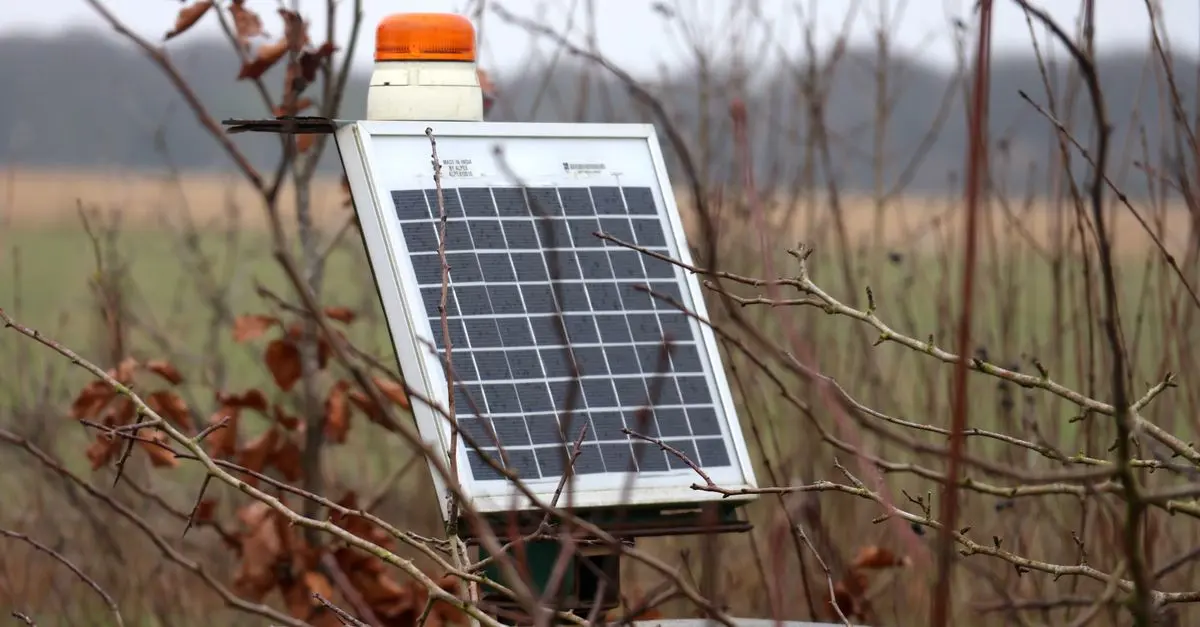
Transitioning to sustainable operations requires a strategic approach. During our visits to various zoos in Europe, we noted several effective tactics. Firstly, integrating solar panels to offset energy consumption is a critical step. Additionally, recycling water in habitats and using compostable materials can significantly reduce waste.
Zoos can also promote sustainability through educational programs that highlight the importance of conservation. For instance, interactive exhibits can engage visitors in learning about endangered species and how they can contribute to preservation efforts. Here's a simple step-by-step approach:
- Assess Current Practices: Evaluate existing energy and resource use.
- Upgrade Infrastructure: Invest in renewable energy and sustainable materials.
- Educate Staff and Visitors: Develop programs that emphasize the importance of conservation.
- Collaborate with Conservation Groups: Partner with organizations to enhance conservation efforts.
Comparing Traditional and Sustainable Zoos
| Feature | Traditional Zoos | Sustainable Zoos | Modern Zoos |
|---|---|---|---|
| Energy Source | Non-renewable | Renewable (solar, wind) | Mixed |
| Waste Management | Limited | Comprehensive | Improving |
| Educational Programs | Basic | Interactive | Interactive |
| Habitat Design | Simple enclosures | Naturalistic habitats | Naturalistic |
Data-Driven Insights into Zoo Sustainability
Recent studies indicate that sustainable zoos not only boost visitor satisfaction but also contribute to higher conservation success rates. According to a 2025 report by World Wildlife Fund, zoos that implement green technologies see a 30% increase in visitor numbers and a 40% reduction in operational costs. Such statistics underscore the potential benefits of investing in sustainability, both financially and ecologically.
FAQs on Sustainable Zoos
What are the benefits of sustainable zoos?
Sustainable zoos provide educational opportunities and support conservation efforts, resulting in long-term ecological benefits.
How can zoos become more sustainable?
Zoos can adopt renewable energy, improve waste management, and develop conservation-focused educational programs.
What role do zoos play in conservation?
Zoos are crucial in breeding programs, habitat restoration, and raising awareness about endangered species.
Are sustainable zoos economically viable?
Yes, they often see reduced operational costs and increased visitor numbers, which support financial sustainability.
📺 Resource Video
📺 For a deeper dive: Exploring Sustainable Zoos Around the World, covers various sustainable practices in modern zoos. Search on YouTube: "sustainable zoo practices 2026"
Glossary
| Term | Definition |
|---|---|
| Conservation | The protection and preservation of natural resources and environments. |
| Sustainability | Meeting the needs of the present without compromising the ability of future generations. |
| Renewable Energy | Energy sourced from processes that are constantly replenished, like solar or wind power. |
- [ ] Evaluate current resource usage.
- [ ] Implement solar panels and renewable energy sources.
- [ ] Develop and promote conservation education programs.
- [ ] Collaborate with environmental organizations.
- [ ] Regularly review and alter practices to improve sustainability.
💡 Expert insight: As we embrace sustainable practices in zoos, we must remember the dual roles they play in conservation and education. Their unique position allows them to bridge the gap between human interest and wildlife preservation, as iterated by Dr. Sylvia Earle, a prominent researcher in marine conservation.