Table of Contents (19 sections)
Introduction
Animal welfare represents a crucial aspect of our ethical responsibility towards the multitude of species with whom we share the planet. The concept encompasses the well-being of animals under human care and how they are integrated into our ecosystems and cultures. Today, as we advance in technology and ethical considerations, the importance of animal welfare has become even more pronounced within modern society. In this article, we will delve into the various dimensions of animal welfare, its necessity in our lives, and its broader societal implications.
What is Animal Welfare?
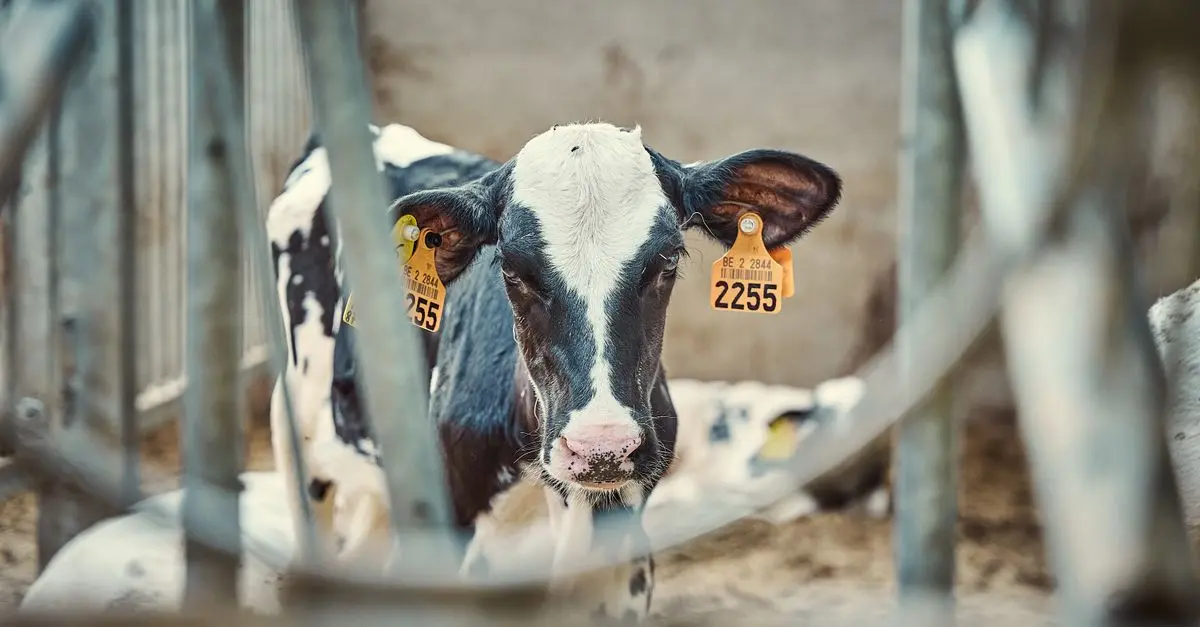
Animal welfare refers to the well-being of non-human animals, particularly those under human care. This includes how animals are treated in various settings, including homes, farms, zoos, and laboratories. Key components of animal welfare include adequate living conditions, proper nutrition, medical care, and an environment that allows them to express innate behaviors. Recognizing that animals are sentient beings capable of experiencing pain and suffering underscores the ethical imperative to improve their welfare standards.
As per the World Organisation for Animal Health, the Five Freedoms are pivotal in this context:
- Freedom from hunger and thirst.
- Freedom from discomfort.
- Freedom from pain, injury, or disease.
- Freedom to express normal behavior.
- Freedom from fear and distress.
These principles establish a framework for assessing animal welfare and serve as fundamental guidelines for ethical treatment. Animal welfare is not merely a niche concern; it touches everyone, from pet owners to consumers of animal products, and intersects with public health, environmental sustainability, and social justice.


The Importance of Animal Welfare in Society
The significance of animal welfare extends far beyond the confines of ethical debates. Animals play vital roles in our lives, serving as companions, workers, and sources of nutrition. Improving animal welfare contributes to better health outcomes for humans and enhances the quality of life for both animals and people. For instance, studies show that pets offer numerous psychological and physical benefits, including reduced stress, lower blood pressure, and increased physical activity through companionship.
From an agricultural perspective, treating animals humanely leads to healthier livestock, resulting in improved food products. The American Veterinary Medical Association reported that better animal welfare practices in farming can yield higher meat quality and productivity, thus benefiting the economy and society.
Moreover, consumer awareness is rapidly changing the landscape. Today's shoppers are more conscious about the origins of their food, prompting a demand for ethically produced goods. Establishing higher welfare standards can thus shape industry practices and promote a more humane approach to food production, benefiting all stakeholders involved.
Practical Steps to Promote Animal Welfare
Improving animal welfare requires collective efforts from individuals, organizations, and governments. Here are some practical steps that we can adopt:
Step 1: Educate Yourself and Others
One of the fundamental ways to advocate for animal welfare is to educate yourself and those around you. Understanding the implications of our decisions, whether it is pet ownership or food choices, is crucial. Sharing this knowledge in your community can amplify the impact, fostering a culture that values and respects animal welfare.
Step 2: Support Ethical Practices
Contributing to organizations that advocate for animal rights and welfare can drive change. Look for certifications that ensure humane practices in farming, research, and entertainment industries. Supporting local farms that prioritize animal welfare not only helps the animals but also boosts local economies.
Step 3: Advocate for Policy Changes
Engagement in political discourse regarding animal welfare legislation is essential. Support legislation that aims to protect animal rights and welfare. Encourage transparency in industries that have significant impacts on animals, pushing for regulations that ensure humane treatment.
Step 4: Choose Compassionate Pet Care
For those who own pets, ensure that you are providing them the best care possible. This includes regular veterinary check-ups, appropriate nutrition, and enriching environments that promote their well-being. By setting an example, you can inspire others in your circle to do the same.
Comparative Analysis of Animal Welfare Practices
Understanding different approaches to animal welfare is beneficial. Below is a comparison of various welfare standards across three contexts:
| Criteria | Factory Farming | Free-Range Farming | Sanctuaries |
|---|---|---|---|
| Living Conditions | Crowded, often unsanitary | Spacious, with natural elements | Natural habitat with minimal human interference |
| Health Care | Limited access | Regular check-ups with vet access | Comprehensive care, often holistic |
| Behavior | Restricted | Improved freedom | Natural behaviors promoted |
| Human Interaction | Minimal interaction | Positive interaction encouraged | Ongoing human care and interaction |
| Verdict | Poor welfare practices | Better welfare, but varies | Excellent welfare standards |
The Statistical Impact of Animal Welfare
The effects of improved animal welfare can be quantified in various ways. According to a study by the Humane Society International, adopting better welfare standards can lead to:
- A decrease in stress-related illnesses among livestock, with reports showing a reduction of up to 30%.
- Increased productivity in humane farming practices, yielding about 25% more in terms of quality product.
- Enhanced public perception of brands that prioritize animal welfare, with 60% of consumers willing to pay more for humane options in their food sources.
These statistics provide compelling evidence that improving animal welfare is not only ethical but also beneficial from an economic and social perspective.


Puma Womens Kassidy Animal Deboss Golf Dress - ON SALE - 02 TM LGHT BLUE - XL
carlsgolfland.com
FAQs about Animal Welfare
Q1: Why is animal welfare important?
A1: Animal welfare is important because it encompasses ethical, health, and economic dimensions that affect our well-being and the environment.
Q2: What can individuals do to promote animal welfare?
A2: Individuals can promote animal welfare by educating themselves, supporting ethical practices, advocating for policy changes, and providing compassionate care to pets.
Q3: How does animal welfare impact human health?
A3: Improved animal welfare often leads to healthier animals, which translates into better-quality food products, reducing risks of zoonotic diseases.
Q4: What are the Five Freedoms in animal welfare?
A4: The Five Freedoms represent fundamental principles that ensure animals are well-cared for, addressing their needs for freedom from hunger, discomfort, pain, normal behavior, and fear.
Conclusion
Animal welfare is a critical component of modern society that impacts not only the lives of animals but also the well-being of humans and the environment. As we continue to evolve as a society, recognizing the importance of humane treatment is essential to creating a sustainable future. By taking actionable steps, individuals and communities can foster a culture that respects and values animal life.
Let’s work together to ensure a better world for all species.
Checklist before Purchasing Animal Products
- [ ] Research the animal welfare standards of companies.
- [ ] Look for certifications that guarantee ethical practices.
- [ ] Support local farms that prioritize humane treatment.
- [ ] Ask questions about animal care when visiting farms or markets.
- [ ] Understand the impact of your consumption on animal welfare.
Glossary
| Term | Definition |
|---|---|
| Animal Welfare | The well-being of animals under human care, considering their physical and mental health. |
| Sentient Beings | Creatures capable of experiencing sensations and emotions, which includes pain and pleasure. |
| Free-Range Farming | A method of farming that allows animals to roam freely outdoors, promoting better health and well-being. |
📺 Resources Video
> 📺 For further exploration: *
Recommended products
Selected by our experts
Plus Size Women's Longer-Length Handkerchief Hem Tankini Top by Swim 365 in Royal Oasis Animal (Size 18)
swimsuitsforall.com
Plus Size Women's V-Neck Twist Tankini Top by Swimsuits For All in Animal (Size 32)
swimsuitsforall.com

PawHut 35" Small Animal Cage, Chinchilla Guinea Pig Cage, Ferret Pet House with Platform Ramp, Food Dish, Wheels & Water Bottle, Green Aosom.com
aosom.com

PawHut 65" Luxury Wooden Rabbit Hutch, Spacious Playpen, Openable Roof, Storage, Ideal for Rabbits & Small Animals, Gray Aosom.com
aosom.com

PawHut Rabbit Cage Outdoor, 2 Levels Bunny Hutch Outdoor Rabbit Pen w Slide Out Tray Detachable Run Small Animal House Light Grey Aosom.com
aosom.com