Table of Contents (9 sections)
Information on Endangered Species
The term endangered animals refers to species that are at risk of extinction due to various factors such as habitat loss, climate change, and poaching. According to the International Union for Conservation of Nature (IUCN), over 41,000 species are threatened, with more than 16,000 of them being endangered. Endangered species are crucial for biodiversity and maintaining ecological balance. For instance, the decline of predators can cause prey populations to explode, leading to habitat degradation. Conservation efforts are essential to preserve these species and their habitats, ensuring ecological stability.
Why These Species Are Endangered
Human activities are the primary drivers behind the endangerment of these species. Deforestation for agriculture and urbanization results in habitat destruction. Climate change exacerbates this by altering habitats, affecting food availability, and inducing extreme weather patterns. Pollution from plastics and industrial waste poisons animals and their environments. Furthermore, illegal wildlife trade targets many endangered species for their fur, horns, and other body parts. For example, the World Wildlife Fund (WWF) notes that over 55% of the world's mammals and birds face extinction primarily due to human actions.
Conservation Efforts
Efforts to protect endangered animals include creating wildlife reserves, enforcing anti-poaching laws, and launching educational programs. Organizations like The Nature Conservancy and World Wildlife Fund work globally to implement conservation strategies. Engaging local communities is also crucial; empowering them can lead to sustainable practices that protect wildlife. Advanced technology, such as drones and satellite imaging, aids in monitoring endangered populations and their habitats. Public awareness campaigns encourage responsible consumption and advocate for policies that prioritize conservation.
Species in Peril
- Vaquita Porpoise: The vaquita, native to the Gulf of California, is the most endangered marine mammal. With less than 30 individuals left, illegal fishing nets pose the biggest threat.
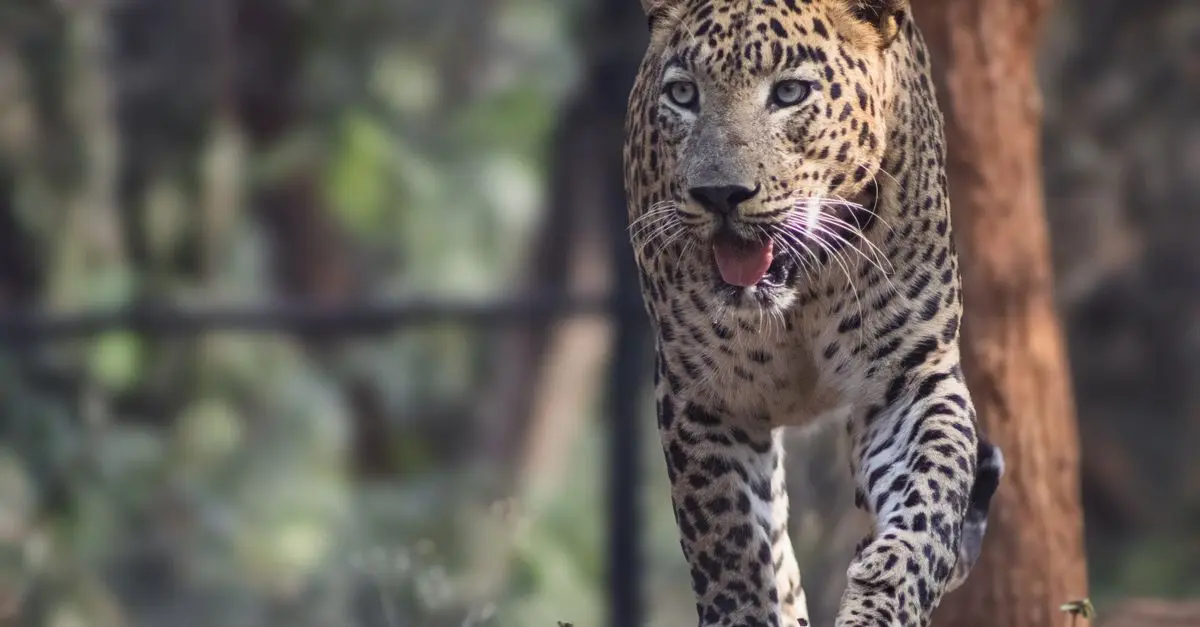
- Amur Leopard: Native to the forests of the Russian Far East, only about 70 Amur leopards remain due to habitat loss and poaching.
- Javan Rhino: Found only in Indonesian jungles, fewer than 80 Javan rhinos survive, threatened by habitat fragmentation and poaching.
- Sumatran Orangutan: Logging and palm oil plantations have reduced their habitat, leaving only around 14,000 wild orangutans.
- Hawksbill Sea Turtle: Targeted for their beautiful shells, hawksbill sea turtles' numbers have diminished, with only 15,000 nesting females remaining.
- Mountain Gorilla: Located in the mountainous regions of Rwanda and Uganda, only about 1,000 mountain gorillas remain, threatened by poaching and disease.
- Saola: Known as the Asian unicorn, very few exist in the wild due to hunting and habitat loss in the Annamite Range of Vietnam and Laos.
- Cross River Gorilla: This gorilla is critically endangered, with hunting and habitat destruction leaving approximately 300 individuals.
- Yangtze River Dolphin: Pollution and shipping lanes threaten these endangered dolphins in one of China's busiest waterways.
- Cuban Crocodile: Native to Cuba, poaching and habitat destruction have restricted their range, leaving about 4,000 individuals.
Concluding Thoughts
The vital role of endangered species in maintaining ecosystems cannot be overstated. Their loss could trigger unforeseen consequences. Taking action requires concerted efforts from governments, NGOs, and local communities.
📺 Resource Video
> 📺 For more: Endangered Species - Causes & Solutions, a comprehensive look on YouTube with the keywords: "endangered species conservation 2026".
Glossary
| Term | Definition |
|---|---|
| Endangered | At risk of extinction across all or a significant portion of its range. |
| Biodiversity | Variety of life on Earth across ecosystems, species, and genetic levels. |
| Ecological Balance | State of dynamic equilibrium within ecosystems where species coexist healthily. |
Checklist
- [ ] Acknowledge the importance of biodiversity.
- [ ] Support organizations involved in conservation.
- [ ] Reduce consumption of products harming wildlife.
- [ ] Educate peers on the impact of threatened species.
- [ ] Advocate for stronger environmental laws.