Table of Contents (12 sections)
Animal grooming is an essential aspect of pet care that ensures the health and well-being of our furry companions. It goes beyond mere aesthetics; proper grooming can prevent various health issues and enhance the bond between you and your pet. In this guide, we will explore the best practices for grooming different types of pets, outlined in an easy-to-follow manner.
Understanding Animal Grooming
Animal grooming encompasses various practices carried out on pets. This includes bathing, brushing, nail trimming, ear cleaning, and dental care. Grooming is crucial because it helps to keep your pet clean, healthy, and comfortable. Regular grooming can significantly reduce the risk of skin infections, matting, and other health issues, as well as enhance your pet's overall behavior.
According to The American Veterinary Medical Association, regular grooming plays a vital role in maintaining pets' physical health and emotional well-being. Pets that are groomed regularly tend to socialize better and exhibit fewer behavioral problems. It’s also an excellent opportunity for pet owners to check for any abnormalities such as lumps, bumps, or skin irritations.
The Grooming Process: Step-by-Step
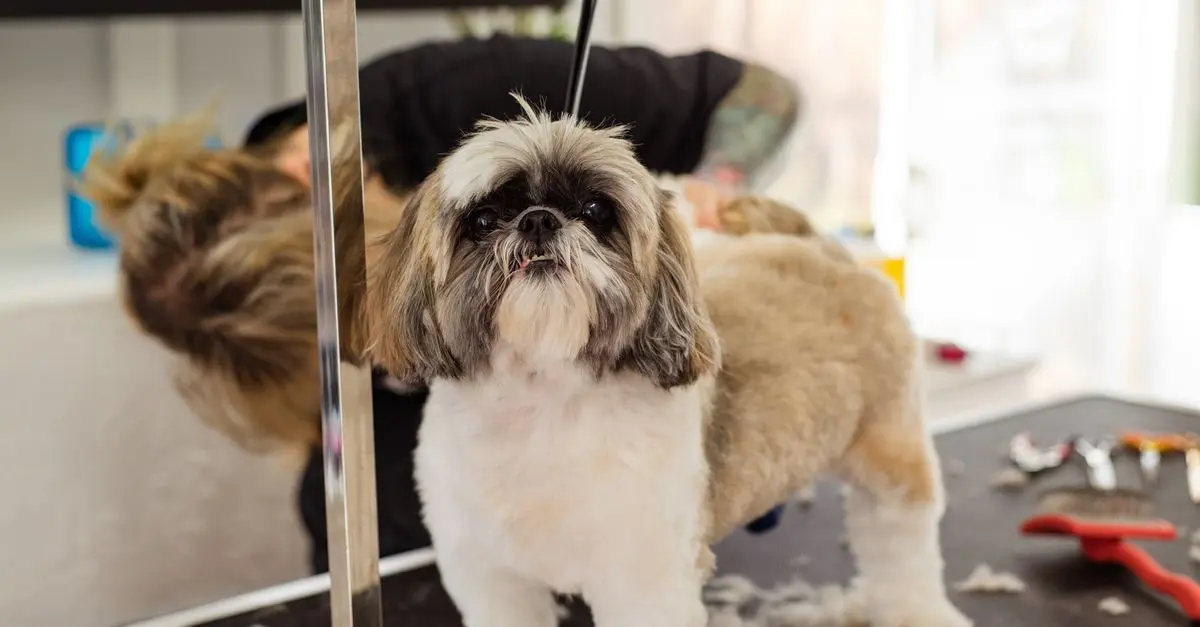
How to Groom Your Dog
- Brush Your Dog's Fur: Depending on the breed, the frequency and method will vary. Long-haired dogs need daily brushing, while short-haired breeds may only require a weekly brush. Use tools that suit your dog's coat type.
- Bathing: Dogs should be bathed as needed, typically every 4-6 weeks. Use a pet-safe shampoo, and make sure to rinse thoroughly to prevent skin irritation.
- Nail Trimming: Check every few weeks to see if your dog's nails need trimming. If you hear clicking on the floor, it’s time for a trim using appropriate nail clippers.
- Ear Cleaning: Check your dog's ears weekly, especially for floppy-eared breeds. Use a vet-approved cleaner to gently wipe the ear canal.
- Dental Care: Brush your dog's teeth several times a week using toothpaste formulated for pets to prevent dental diseases.
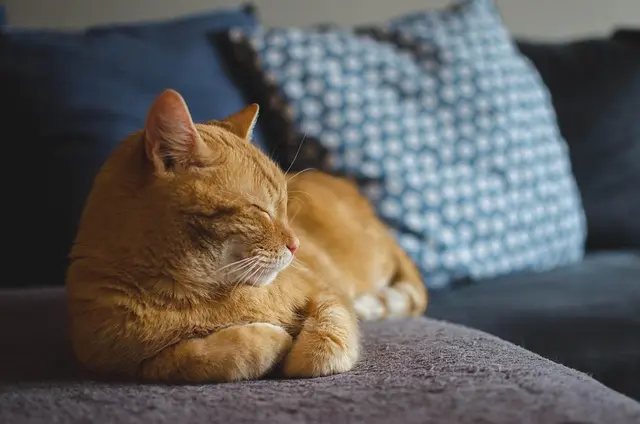
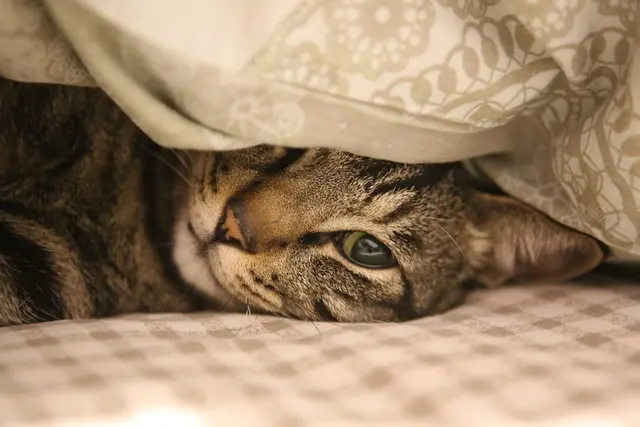
How to Groom Your Cat
- Brushing: Cats, especially long-haired breeds, should be brushed multiple times a week to reduce shedding and matting. Simultaneously, it can reduce hairballs.
- Bathing: Cats generally do not require regular bathing, but if they get into something messy, use a mild cat shampoo.
- Nail Trimming: Similar to dogs, trim your cat’s nails every few weeks. Be cautious and avoid the quick, which can bleed.
- Ear Cleaning: Inspect your cat's ears regularly and clean them with a vet-approved solution to avoid wax buildup.
- Dental Care: Brush your cat’s teeth or provide dental treats to maintain oral health.
Rare Purchases Stainless Steel Pet Dog Hair Brush, Cat Comb For Long Hair, Grooming And Care For Dogs And Pets blue
inspireuplift.com
Rare Purchases Stainless Steel Pet Dog Hair Brush, Cat Comb For Long Hair, Grooming And Care For Dogs And Pets gray
inspireuplift.com

Comparison of Grooming Needs
To clarify the grooming requirements for both dogs and cats, refer to the table below:
| Grooming Aspect | Dogs | Cats | Verdict |
|---|---|---|---|
| Brushing | Daily/Weekly | Weekly | Dogs require more frequent brushing |
| Bathing | Every 4-6 weeks | As needed | Dogs generally need more baths |
| Nail Trimming | Every few weeks | Every few weeks | Both require regular nail care |
| Ear Cleaning | Weekly | Monthly | Routine cleaning for both |
| Dental Care | 2-3 times/week | Weekly | Highly recommended for both |
Common Grooming Challenges
Grooming your pets can sometimes be a challenge, especially if they are not accustomed to the process. Here are common challenges owners face:
- Reluctance to be groomed: Some pets may resist grooming. In such cases, it’s essential to acclimate them gradually, starting with short sessions.
- Matting fur: This is particularly common in long-haired breeds. Regular brushing can help prevent this issue. If matting occurs, consider seeking a professional groomer.
- Skin sensitivities: Always be mindful of skin issues when bathing or brushing. If you notice irritation, consult your veterinarian.
- How often should I groom my pet?
It varies by breed but generally, dogs should be groomed every few weeks while cats can often go longer between sessions.
- What tools do I need for grooming?
Essentials include brushes, combs, nail clippers, and pet-safe shampoos. We’ve selected several key products that can help you with grooming tasks.
- Can I groom my pet at home?
Yes, most grooming can be done at home. However, for complex needs, consider professional help.
- What if my pet doesn't like grooming?
Start slowly, reward them with treats, and gradually increase the grooming duration to help them become more comfortable.
📺 Ressource Vidéo
Check out this video for a visual guide: [Professional Pet Grooming Techniques], where experts share essential tips and tricks. Search on YouTube for: "pet grooming best practices 2026".
Glossary
| Terme | Définition |
|---|---|
| Grooming | The act of cleaning, trimming, and maintaining an animal’s fur, nails, and health. |
| Matting | Clumping of fur that occurs when it becomes tangled and knotted. |
| Dander | Tiny flakes of skin shed by cats, dogs, and other animals; common allergens. |


Checklist Before Grooming
- [ ] Review pet grooming needs
- [ ] Gather necessary tools
- [ ] Ensure a comfortable space for grooming
- [ ] Check for any skin issues
- [ ] Prepare treats for rewarding positive behavior
In conclusion, grooming is a pivotal part of caring for your pets. From basic brushing to addressing more complex grooming needs, it is important for their health and happiness. Remember, consistent grooming can lead to a stronger bond between you and your furry friend.
Be sure to check out our recommended products below for the best grooming tools to help you achieve optimal results.
📺 Pour aller plus loin : pet grooming best practices 2026 sur YouTube
Recommended products
Selected by our experts


Puma Womens Kassidy Animal Deboss Golf Dress - ON SALE - 02 TM LGHT BLUE - XL
carlsgolfland.com