Table of Contents (10 sections)
Pet ownership comes with a unique set of joys and challenges, one of which is understanding animal stress. Just like humans, pets experience stress, which can manifest in various ways, affecting their overall health and happiness. It’s crucial for pet owners to recognize the signs of stress and implement effective solutions to help their furry friends cope. This article will delve into the signs of animal stress and offer strategies that pet owners can employ to create a more comforting environment for their pets.
What is Animal Stress?
Animal stress refers to the physical and psychological strain that pets experience in response to various stimuli in their environment. Stress in animals can be triggered by numerous factors, including changes in routine, loud noises, unfamiliar environments, or even the presence of other animals. According to a study published in the journal Physiology & Behavior, chronic stress can lead to significant health issues in pets, including anxiety, depression, and even physical ailments like digestive disorders. The understanding of animal stress has evolved over the years, with recent research highlighting the importance of addressing both mental and physical health in our pets.
Recognizing animal stress is pivotal to a pet's well-being. For example, when a dog is constantly exposed to loud noises or chaotic environments, it may exhibit signs such as excessive barking, pacing, or destructive behavior. Similarly, cats may hide, over-groom, or display aggression when stressed. Awareness of these signs allows pet owners to take actionable steps in alleviating their pets' discomfort and ensuring a more stable environment.
Signs of Stress in Pets
Identifying signs of stress in pets can be challenging, as they may not always exhibit overt symptoms. Here are some common indicators that your pet might be stress:
- Body Language: A pet's body language can reveal a lot about its emotional state. Signs such as a low tail, flattened ears, or avoiding eye contact may indicate stress.
- Behavioral Changes: Sudden changes in behavior, like increased aggression, withdrawal, or destructive tendencies, can be symptoms of stress.
- Vocalizations: If your pet’s vocalizations become excessive or change in tone, it may signify stress.
- Changes in Eating Habits: Stress can lead to decreased appetite or excessive eating. Either behavior warrants closer attention.
According to data from the American Kennel Club, nearly 80% of dog owners reported that their pets displayed stress symptoms during summer storms, highlighting the widespread nature of this issue. By understanding these signs, pet owners can implement appropriate stress solutions, transforming their pet's experience from one of anxiety to comfort.

PawHut Siège Auto pour Petits Chiens avec Laisse et Base Antidérapante, Convertible en Sac pour Animaux, Crème
Aosom FR
Sponsored by Guide du shopping

PawHut Poussette pour Chien Pousse-Chien 3 en 1 Détachable Pliable Nacelle Amovible et Sans Fermeture Éclair Suspension Gris
Aosom FR
Sponsored by Guide du shopping
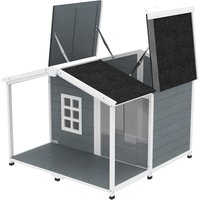
PawHut Niche pour chien imperméable surélevée en bois avec toit en asphalte, terrasse, pour chiens de taille moyenne 103x107x83,5cm Gris
Aosom FR
Sponsored by Guide du shopping
How to Help Your Stressed Pet: Effective Solutions
Helping a stressed pet requires patience and creativity. Here are several effective strategies to address animal stress:
- Environmental Enrichment: Providing toys, puzzles, and interactive games can help distract and engage your pet, reducing stress levels. For example, consider using toys that dispense treats to keep your pet occupied.
- Safe Spaces: Create a cozy and safe environment where your pet can retreat when feeling anxious. This area could include comfortable bedding, toys, and their favorite blankets.
- Regular Exercise: Physical activity can significantly reduce stress in pets. Regular walks, playtime, and socialization can improve your pet's mood and reduce anxiety levels.
- Calming Aids: Consider implementing calming products such as pheromone diffusers, calming collars, or anxiety wraps that can provide relief in stressful situations.
- Routine Veterinary Check-Ups: Regular visits to the veterinarian can help ensure your pet's physical health is being monitored, alleviating stress related to undiagnosed health issues.
- Positive Reinforcement Training: Use positive reinforcement techniques to encourage desired behaviors and alleviate stress during training or socialization.
Following these strategies can significantly improve your pet’s quality of life and reduce instances of stress-related issues. Moreover, leveraging specialized products designed for pets can enhance their comfort and security during stressful events.
Comparative Analysis of Stress Solutions
| Solution | Pros | Cons | Verdict |
|---|---|---|---|
| Environmental Enrichment | Engages pets, reduces anxiety | Requires time and creativity | Highly recommended |
| Safe Spaces | Offers pets a retreat | Needs regular maintenance | Essential |
| Regular Exercise | Improves mood and health | Time-consuming operation | Very effective |
| Calming Aids | Instant relief during stress | Varies in effectiveness | Good supplementary option |
| Veterinary Check-Ups | Addresses health issues | Possibly costly | Necessary for long-term care |
Addressing Common Questions About Animal Stress
Q: How can I tell if my pet is stressed?
A: Look for changes in behavior, eating habits, or body language, such as hiding or excessive barking.
Q: Are certain breeds more prone to stress?
A: Yes, some breeds are more sensitive and may exhibit higher stress levels, requiring closer attention.
Q: Can stress impact my pet's health?
A: Absolutely, prolonged stress can lead to physical and mental health issues. Regular veterinary care is advised.
Q: What can I do during storms to help my pet?
A: Set up a safe space, use calming aids, and maintain a calm demeanor to ease your pet's stress during storms.
Expert Opinion
> 💡 Expert Insight: As a veterinarian, I've observed that recognizing stress in pets early on can prevent serious issues in the long run. Implementing a plan tailored to your pet's unique triggers can make a significant difference in their quality of life.
Checklist for Reducing Pet Stress
- [ ] Identify stress triggers in your pet's environment
- [ ] Create a cozy safe space for your pet
- [ ] Regularly engage in playtime and exercise
- [ ] Consult your veterinarian about health concerns
- [ ] Use calming products as needed
- [ ] Monitor changes in your pet's behavior regularly
Glossary
| Term | Definition |
|---|
| Animal Stress | The physical and psychological strain experienced by pets due to external stimuli.
| Calming Aids | Products designed to help alleviate anxiety in pets, such as pheromone diffusers.
| Environmental Enrichment | Activities or items introduced to enhance a pet's psychological well-being.
📺 For further learning: Check out videos on pet anxiety solutions for a deeper understanding of alleviating stress in pets. Search on YouTube for “pet anxiety solutions 2026”.
In addition to these strategies and insights, we have selected several products aimed at helping with the issues discussed. Discover our recommendations below to find options that suit your pet's needs!
Recommended Products
- Product 1: A practical and comfortable car seat for dogs, addressing stress during travel.
- Product 2: Ideal for older dogs, this stroller will make trips to the vet less stressful.
- Product 3: An elevated dog house that protects your pet from the elements and reduces stress during outdoor playtime.
- Product 4: A ramp that helps dogs get into cars with ease, alleviating anxiety related to mobility issues.
📺 Pour aller plus loin : pet anxiety solutions 2026 sur YouTube
Recommended products
Selected by our experts
PawHut Siège Auto pour Petits Chiens avec Laisse et Base Antidérapante, Convertible en Sac pour Animaux, Crème
Aosom FR
A practical and comfortable car seat for dogs, addressing stress during travel.
Sponsored by Guide du shopping
PawHut Poussette pour Chien Pousse-Chien 3 en 1 Détachable Pliable Nacelle Amovible et Sans Fermeture Éclair Suspension Gris
Aosom FR
Ideal for older dogs, this stroller will make trips to the vet less stressful.
Sponsored by Guide du shopping
PawHut Niche pour chien imperméable surélevée en bois avec toit en asphalte, terrasse, pour chiens de taille moyenne 103x107x83,5cm Gris
Aosom FR
An elevated dog house that protects your pet from the elements and reduces stress during outdoor playtime.
Sponsored by Guide du shopping