Table of Contents (9 sections)
Animal habitats refer to the places where various species live, grow, and thrive. These habitats provide essential resources such as food, shelter, and mates for reproduction. Understanding the different types of animal habitats is crucial for wildlife conservation and ecosystem health. Globally, we categorize animal habitats into forests, grasslands, wetlands, deserts, and aquatic environments, each supporting distinct life forms.
The definition of an animal habitat is broader than just a physical space; it encompasses the environmental conditions, the flora and fauna interaction, and the roles these ecosystems play. For instance, a dense forest can host numerous species of mammals, birds, and insects, all of which rely on each other to maintain the ecological balance. According to the World Wildlife Fund (WWF), loss of habitat due to urbanization, pollution, and climate change is one of the leading causes of species extinction today.
Understanding where animals live helps us to recognize their needs, which is essential for effective wildlife management and conservation efforts. Without adequate habitats, species will struggle to survive, leading to a decline in biodiversity which can have dire consequences for ecosystem services that humans rely on. For instance, bees, which are vital for pollination, need specific habitats to thrive; if these are disrupted, food supplies can dwindle, affecting everything from the economy to human health.
The Importance of Different Habitats
Different animal habitats play unique roles in maintaining ecological balance. Forests, often referred to as the lungs of our planet, cover about 31% of the Earth's land area and are home to over 80% of terrestrial biodiversity. They provide not only a home for wildlife but also essential services such as carbon storage, water regulation, and nutrient cycling. For example, the Amazon Rainforest alone is estimated to absorb 2 billion tons of CO2 annually, significantly influencing global climate.
Grasslands also serve a vital function by acting as carbon sinks. They are characterized by open spaces and are often home to large herbivores like bison and zebra, playing a crucial role in nutrient cycling. Grasslands cover about 40% of the Earth's land and are critical for agricultural practices as well. Unfortunately, many grasslands face threats from overgrazing and conversion to farmland.
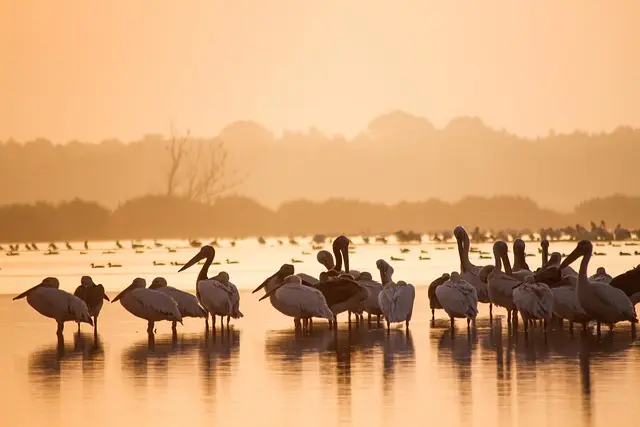
Wetlands, which include swamps, marshes, and bogs, are among the most productive ecosystems on Earth due to their rich biodiversity. They act as natural water filters, improving water quality and providing habitat for numerous amphibians and migratory birds. A report from the United Nations Environment Programme (UNEP) indicates that wetlands offer essential ecosystem services that are worth trillions of dollars annually.
Deserts are often viewed as barren, but they support uniquely adapted species like camels and foxes. These habitats are critical for biodiversity, as many organisms are specialized to endure extreme conditions. For instance, the Sahara Desert hosts various reptiles and insects, showcasing nature's adaptability.
Aquatic environments, including oceans and freshwater bodies, host a multitude of species, from the largest mammals like blue whales to microscopic bacteria. They are vital for global food supplies and contribute to the Earth's oxygen levels through photosynthesis carried out by algae. According to National Geographic, oceans regulate climate and provide livelihoods for millions worldwide, which underlines the importance of conserving these precious habitats.
Comparing Different Types of Habitats
| Habitat Type | Characteristics | Example Species | Importance |
|---|---|---|---|
| Forests | Dense vegetation, high biodiversity | Bears, birds, insects | Carbon storage, oxygen production |
| Grasslands | Open fields, few trees | Bison, prairie dogs | Nutrient cycling, agricultural support |
| Wetlands | Saturated land, diverse flora/fauna | Frogs, migratory birds | Water filtration, flood control |
| Deserts | Arid conditions, specialized species | Camels, reptiles | Biodiversity, climate resilience |
| Aquatic | Water-based ecosystems | Fish, whales | Food source, climate regulation |

PawHut Cage à hamster rongeur 2 niveaux avec tunnel, biberon eau, roue, maisonnette, échelles 46 x 30 x 37 cm vert
Aosom FR
Sponsored by Guide du shopping

PawHut Chenil extérieur pour chiens tissu oxford avec 2 supports de bol rotatifs 8 panneaux toit imperméable 141 x 141 x 153 cm
Aosom FR
Sponsored by Guide du shopping

PawHut Cage à oiseaux volière avec balançoire poignée portable 4 mangeoires 3 perchoirs 50,5 x 41 x 104 cm en acier noir
Aosom FR
Sponsored by Guide du shopping
The Role of Human Activity
Human activities severely impact animal habitats, often leading to their degradation or outright destruction. Urbanization has led to the loss of forests and grasslands, while pollution has affected wetlands and aquatic environments. According to data from the International Union for Conservation of Nature (IUCN), nearly 1 million species are at risk of extinction, primarily due to habitat destruction caused by human actions. This situation calls for urgent measures to protect and conserve these vital ecosystems.
Furthermore, climate change presents an ever-growing threat to animal habitats. Changing temperatures and weather patterns can disrupt migration, breeding, and feeding behaviors in wildlife. For instance, melting ice caps in polar regions pose a significant threat to species like polar bears, which rely on sea ice for hunting and breeding. The United Nations Framework Convention on Climate Change (UNFCCC) actively encourages habitat protection as part of its climate action agenda.
Expert Opinion
💡 Expert Insight: Conservation biologists emphasize the need to prioritize habitat preservation as a strategy for combating climate change. They argue that protecting existing habitats and restoring degraded ones provides dual benefits: maintaining biodiversity and enhancing carbon sequestration, thereby mitigating climate impacts.
FAQs about Animal Habitats
Q1: What are the main types of animal habitats?
A1: The primary types of animal habitats include forests, grasslands, wetlands, deserts, and aquatic environments, each hosting unique ecosystems.
Q2: Why are animal habitats important for the environment?
A2: Animal habitats provide essential resources, maintain ecological balance, support biodiversity, and offer ecosystem services crucial for human survival.
Q3: How does habitat loss affect wildlife?
A3: Habitat loss leads to decreased biodiversity, increased competition for resources, and higher extinction rates, affecting overall ecosystem health.
Q4: What can individuals do to protect animal habitats?
A4: Individuals can participate in conservation efforts, reduce waste, support sustainable practices, and educate others about the importance of protecting wildlife habitats.
Glossary
| Term | Definition |
|---|---|
| Biodiversity | The variety of life in a particular ecosystem or on Earth. |
| Ecosystem | A biological community interacting with its environment. |
| Habitat Fragmentation | The process where larger habitats become divided into smaller, isolated sections. |
Checklist before supporting wildlife conservation
- [ ] Understand different animal habitats
- [ ] Research local wildlife conservation projects
- [ ] Assess personal ecological footprint
- [ ] Engage in community conservation efforts
- [ ] Educate others about habitat importance
📺 Resource Video
> 📺 For more details: Watch “The Importance of Animal Habitats in Ecosystems,” to learn how to support wildlife conservation. Search on YouTube for: importance of animal habitats 2026.
By understanding the various animal habitats and their critical roles, we can advocate for their preservation, ensuring a thriving planet for both wildlife and humans. It is vital to take actionable steps in promoting sustainable practices to protect these irreplaceable ecosystems. Explore the recommended products to create suitable habitats for your pets at home, contributing to their well-being and supporting wildlife conservation efforts.
📺 Pour aller plus loin : importance of animal habitats 2026 sur YouTube
Recommended products
Selected by our experts
PawHut Cage à hamster rongeur 2 niveaux avec tunnel, biberon eau, roue, maisonnette, échelles 46 x 30 x 37 cm vert
Aosom FR
This hamster cage provides a suitable environment for small pets, supporting their need for play and shelter, which parallels the needs of wild animals.
Sponsored by Guide du shopping
PawHut Chenil extérieur pour chiens tissu oxford avec 2 supports de bol rotatifs 8 panneaux toit imperméable 141 x 141 x 153 cm
Aosom FR
A dog kennel offers a safe outdoor habitat for pets, which emphasizes the importance of proper housing in caring for domestic animals akin to wildlife habitats.
Sponsored by Guide du shopping
PawHut Cage à oiseaux volière avec balançoire poignée portable 4 mangeoires 3 perchoirs 50,5 x 41 x 104 cm en acier noir
Aosom FR
This spacious birdcage promotes a healthy living space for birds, illustrating how proper habitats affect the well-being of animals both at home and in nature.
Sponsored by Guide du shopping