Table of Contents (10 sections)
Introduction
Exotic pets, ranging from reptiles and birds to small mammals like ferrets, have become increasingly popular among pet lovers. Their unique behaviors and requirements set them apart from traditional pets such as cats and dogs. Understanding their specific needs is crucial for any potential owner. These needs can vary substantially based on the species, making it imperative to research thoroughly before bringing one into your home. Whether it's dietary requirements, habitat conditions, or social interaction, knowing how to properly care for these animals will help ensure their health and happiness.
What Are Exotic Pets?
Exotic pets are animals that are not typically domesticated, which means they have not been selectively bred over thousands of years to live alongside humans. This includes a diverse array of species such as
- Reptiles (like snakes and iguanas)
- Birds (such as parrots and budgerigars)
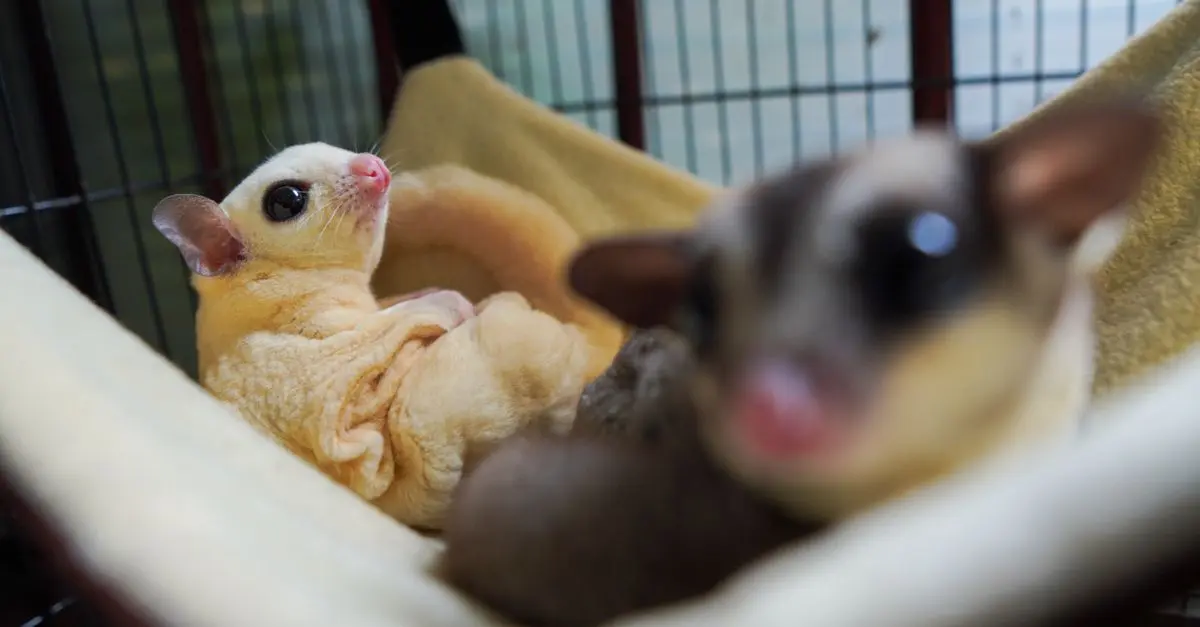
- Small mammals (like sugar gliders and hedgehogs)
- Aquatic creatures (including various fish and amphibians)
According to a 2025 survey by the American Pet Products Association, about 25% of households in the U.S. own at least one exotic pet, indicating growing interest in these unique companions. Despite their charm, potential owners must understand the specific exotic pets needs to provide them with a suitable home and care regimen.
Basic Needs of Exotic Pets
When caring for exotic pets, the focus should be on their specific environmental and nutritional needs.
Habitat Requirements
Creating a comfortable habitat is a top priority. For instance, reptiles require proper heating and humidity levels to thrive, while birds often need expansive cages for flight and activities. Here are some critical habitat considerations:
- Space: Each species has different space obligations. Birds may need large aviaries, while reptiles often require terrariums designed for climbing or burrowing.
- Environment: Mimicking their natural habitat is vital. For example, tropical birds might need humidity and natural light, whereas desert reptiles require dry, warm conditions.
- Safety: Ensure that the enclosure is escape-proof and free from any hazards that could lead to injury.
Dietary Needs
Proper nutrition is crucial for maintaining the health of exotic pets. Different species often have specific dietary preferences. For example:
- Reptiles might need a mix of protein (like insects) and vegetables.
- Birds usually thrive on a diet of seeds, grains, and fresh fruits.
- Small mammals like guinea pigs require plenty of hay, fresh vegetables, and specially formulated pellets.
Understanding the dietary needs is essential, as improper feeding can lead to serious health issues.
Procedural Care Tips
Step-by-Step Guide to Caring for Exotic Pets
- Research: Gather detailed information about the species you are interested in, focusing on their specific environmental, dietary, and social needs.
- Set Up the Habitat: Create an environment based on their requirements, considering factors like temperature, humidity, and physical space.
- Regular Check-Ups: Schedule veterinary visits that specialize in exotic animals to ensure they remain healthy, receiving vaccinations and check-ups according to their species.
- Social Interaction: Understand how much interaction your pet requires. Some exotic pets are social and crave attention, while others may prefer solitude.
- Diet Management: Feed your pet according to the dietary guidelines specified for their species, ensuring a balanced and nutritious diet.
- Cleanliness: Regularly clean habitats and feeding areas to prevent the spread of bacteria and parasites.
Following these steps ensures that you meet the necessary exotic pets needs effectively.
Comparing Common Exotic Pets
Understanding the differences among various species can help potential owners make informed decisions. Below is a comparison table of common exotic pets based on key criteria.
| Criteria | Reptiles | Birds | Small Mammals | Aquatic Pets |
|---|---|---|---|---|
| Space Requirements | Medium to Large | Varies by species | Small to Medium | Varies, depending on type of fish |
| Lifespan | 10-50 years | 5-80 years | 4-20 years | 1-10 years |
| Interaction Needs | Minimal to Moderate | High | Moderate to High | Minimal |
| Dietary Needs | Carnivorous/Herbivorous | Seed-based/Fruits | Herbivores | Fish flakes/Live food |
| Cost of Care | Moderate | Moderate to High | Low to Moderate | Low |
Expert Opinion on Caring for Exotic Pets
> 💡 Expert Opinion: Caring for exotic pets requires commitment and training. Potential owners should not only invest in the cost of the exotic pet but also in their learning process. A well-informed owner is crucial for the well-being of these animals. Many exotic pets suffer from a lack of understanding regarding their specific needs, leading to stress and health problems. Training, both for the owner and the pet, plays a pivotal role in a successful and happy relationship.
Frequently Asked Questions
Q1: What are the best exotic pets for beginners?
A1: Generally, small mammals such as hamsters and guinea pigs might be ideal due to their easier care and interaction. Birds like budgies are also good for first-time owners.
Q2: How do I create a suitable habitat for my exotic pet?
A2: Research the natural habitat of the species and replicate the environment as closely as possible, paying attention to things like temperature, humidity, and shelter options.
Q3: What should I feed my exotic pet?
A3: This depends on the species. Reptiles may require live foods like insects, while birds benefit from a variety of seeds, fruits, and vegetables.
Q4: How often should I take my exotic pet to the vet?
A4: It's advisable to schedule annual check-ups and consult a vet specializing in exotic species to monitor their health.
Glossary
| Term | Definition |
|---|---|
| Exotic Pets | Animals that are not typically domesticated, such as reptiles, birds, and certain small mammals. |
| Habitat | The natural environment in which a species lives; should be replicated to ensure the health of the pet. |
| Dietary Needs | Specific nutritional requirements that vary widely among different species of exotic pets. |
Checklist Before Getting an Exotic Pet
- [ ] Research the species thoroughly.
- [ ] Set up a proper habitat.
- [ ] Budget for initial and ongoing care costs.
- [ ] Ensure access to a veterinarian who specializes in exotic pets.
- [ ] Prepare to commit time for social interaction and play.
📺 For further insights: Watch videos on caring for exotic pets, which provide visual guidance and tips. Search on YouTube for
Recommended products
Selected by our experts


California Exotics Futurotic Vibrating Anal Vagina 1pc
DocMorris FR (ex DoctiPharma FR)

California Exotics Manchon vibrant pour pénis Clitoris 1pc
DocMorris FR (ex DoctiPharma FR)

California Exotics Clitoris Massager Butterfly Shape 1 pc
DocMorris FR (ex DoctiPharma FR)

California Exotics Panty Vibrating Bullet télécommandé 1pc
DocMorris FR (ex DoctiPharma FR)