Table of Contents (20 sections)
Caring for exotic pets requires a unique understanding of their specific needs. Unlike traditional pets such as dogs or cats, exotic animals often have specialized habitats and diets that mimic their natural environments. This article will delve into the various care requirements for different types of exotic pets, emphasizing the importance of recognizing their unique characteristics and needs.
What Are Exotic Pets?
Exotic pets can encompass a wide range of animals, from reptiles and birds to small mammals and amphibians. According to the American Society for the Prevention of Cruelty to Animals (ASPCA), exotic pets are defined as species that are not typically domesticated, requiring specialized habitats and care. For instance, a ball python might require a controlled environment with specific temperature and humidity levels, while a parrot may need an enriched social setting to thrive.
Why Understanding Care Needs is Crucial
Exotic pets often face a higher risk of health issues due to the complexities of their care. Lack of proper knowledge can lead to neglect or inappropriate care, drastically affecting their health and well-being. For example, many small mammals like ferrets and rabbits need specific diets to prevent obesity and dental problems. Understanding these needs ensures not just the survival of the animal, but a healthy and happy life, contributing to the human-animal bond.
Care Requirements for Common Exotic Pets
Reptiles
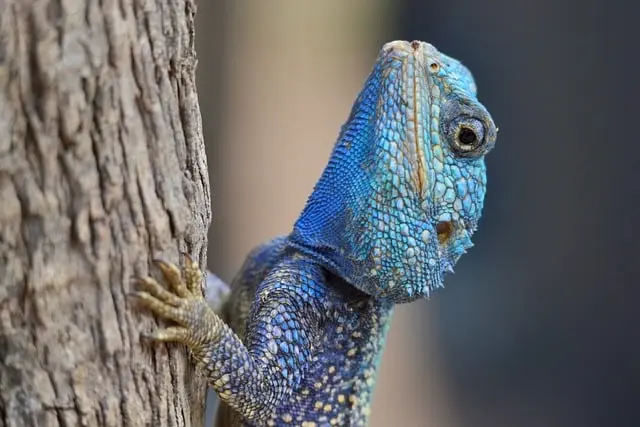
Reptiles, such as geckos and snakes, require specific environmental conditions. These pets must have temperature-controlled habitats, with heat sources that replicate their natural sunlight exposure. For instance, the ideal temperature for a bearded dragon should range from 80-90°F during the day, with a basking spot reaching up to 110°F. Moreover, proper humidity levels are essential, varying by species. For example, iguanas require higher humidity levels compared to tortoises. Failure to maintain these parameters can lead to health problems that are often costly to treat.
Birds
Birds, such as parakeets and African grey parrots, need a diet rich in seeds, fruits, and vegetables, along with sufficient exercise and mental stimulation. Birds thrive on social interaction and should have access to toys and activities that keep them engaged. According to The Association of Avian Veterinarians, social species such as parrots can develop psychosocial issues if neglected. Ensuring that birds have room to fly, play, and interact with their owners is crucial for their mental health.
Small Mammals
Small mammals, including rabbits and guinea pigs, possess dietary restrictions that mimic what they would naturally consume in the wild. Rabbits, for instance, require a high-fiber diet rich in hay, alongside a variety of vegetables. It’s vital to provide a proper environment too; a spacious cage, along with opportunities for exercise outside the cage, is essential for their well-being. Many owners overlook the need for regular vet check-ups, which are vital to monitor their overall health and prevent diseases.


Comparative Analysis of Care Needs
To underscore the differences among common exotic pets, here's a comparative analysis:
| Pet Type | Habitat Needs | Dietary Needs | Social Requirements |
|---|---|---|---|
| Reptiles | Temperature-controlled | Insects, vegetables, fruits | Low (solitary or social) |
| Birds | Spacious cages with toys | Seeds, fruits, & pellets | High (need frequent interaction) |
| Small Mammals | Spacious, enriching cages | High-fiber hay and fresh veggies | Moderate (social interaction) |
Analyzing Trends in Exotic Pet Ownership
Recent studies have shown a significant increase in exotic pet ownership in the United States. According to data from the American Pet Products Association (APPA), exotic pet ownership grew by over 15% from 2020 to 2026. This trend signals a shifting perception towards owning animals beyond classic pets, but it carries the responsibility of ensuring proper care. Many new owners might not grasp the complexities involved in exotic pet care, leading to neglect. Education, therefore, is fundamental.
Expert Opinion
> 💡 Expert Insight:
> According to Dr. Donna W. Anderson, a licensed veterinarian specializing in exotic animals, “Understanding diet and habitat needs is foundational for any potential exotic pet owner. Without an informed approach, these pets cannot thrive as companions.” This expertise highlights the necessity of proper research before ownership.
What are exotic pets?
Exotic pets are species that are not traditionally kept as domestic animals; they often require unique care and habitats.
How can I properly care for my exotic pet?
Proper care includes understanding their dietary needs, habitat requirements, and socialization. Always do thorough research on the specific species you own.
Are there specific health concerns for exotic pets?
Yes, exotic pets can have distinct health issues compared to traditional pets, often requiring veterinary specialists.
Where can I learn more about caring for exotic pets?
Many organizations, such as the ASPCA and local exotic pet rescues, offer resources and workshops for new exotic pet owners.
Checklist Before Owning Exotic Pets
- [ ] Research specific dietary needs for your chosen exotic pet.
- [ ] Create an appropriate habitat that mimics their natural environment.
- [ ] Schedule regular veterinary check-ups.
- [ ] Acquire necessary supplies (toys, bedding, nutrition).
- [ ] Understand and prepare for potential behavioral issues.


Glossary
| Terme | Définition |
|---|---|
| Habitat | L'espace physique ou la zone naturelle où vit un animal, offrant ressources essentielles. |
| Dietary Needs | Les types de nourriture et nutrition que doit consommer un animal pour rester en bonne santé. |
| Socialization | L'interaction nécessaire d'un animal avec d'autres membres de son espèce ou des humains pour son bien-être psycho-émotionnel. |
📺 For Further Exploration:
[Look Into Care for Exotic Pets] for a detailed guide and tips on creating a suitable environment. Search on YouTube: "exotic pets care tips"
Recommended products
Selected by our experts

Cal Exotics Rechargeable Silicone Love Rider Strapless Strap-On - Purple
babeland.com

Cal Exotics Packer Gear Strap-On Harness Boxer Shorts with Vibe Pocket - L / XL - Black
lovehoney.com
Cal Exotics Optimum Series Automatic Advanced Smart Penis Pump - Black
lovehoney.com