Table of Contents (9 sections)
Exotic pets are increasingly popular companions for those looking to deviate from traditional pets like cats and dogs. However, it’s crucial to understand that these pets exhibit unique needs that differ greatly from more conventional pets. Exotic pets can range from reptiles and birds to small mammals and amphibians, each requiring specific habitats, diets, and care routines that reflect their distinct biological and behavioral traits.
What Are Exotic Pets?
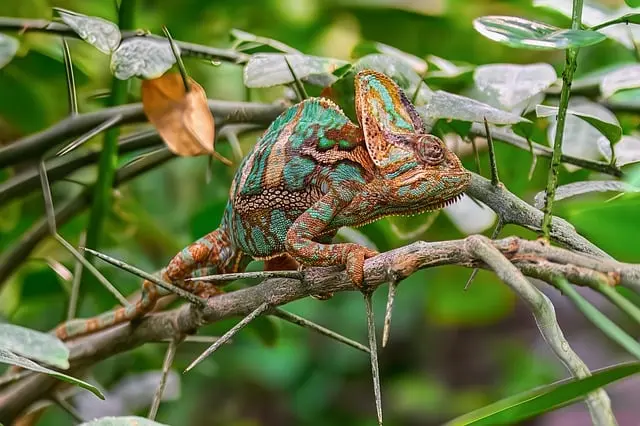
Exotic pets are defined as animals not typically found in a household environment or commonly kept as pets. This includes species like snakes, iguanas, tarantulas, ferrets, and macaws. According to the American Pet Products Association, ownership of exotic pets has seen a steady increase, with approximately 15% of U.S. households owning some type of exotic pet in recent years. This shift indicates a growing interest in the care and companionship provided by these diverse animal species.
Choosing an exotic pet requires thorough research, as their unique needs must be met to ensure their health and happiness. Many exotic species can suffer if not provided with the correct environmental conditions and dietary requirements. This complexity often deters potential pet owners, but with the right knowledge and tools, owning an exotic pet can be a rewarding experience.
Essential Care Requirements
Caring for exotic pets begins with understanding their natural habitats and behaviors. Many of these animalsrequire special cages or tanks that replicate their natural environment. For instance, reptiles like snakes need a habitat with controlled temperature and humidity levels, along with specific lighting to thrive. On the other hand, birds such as parrots need spacious cages that allow them to fly and exercise regularly. Proper space plays a critical part in their mental well-being, preventing stress and related health issues.
Diet is another cornerstone of proper exotic pet care. Each species has unique dietary needs that must be respected. For example, parrots require a varied diet that includes fruits, vegetables, and specially formulated pellets. Meanwhile, reptiles may need protein-rich insects or live food sources, depending on their type. Nutritional deficiencies can lead to severe health complications, so understanding what feeds your exotic pet and researching options thoroughly can prevent future issues.
Procedural Guide for First-Time Exotic Pet Owners
For first-time exotic pet owners, navigating the complex landscape of care can seem daunting. Here’s a step-by-step guide to make the process smoother:
- Research Your Species: Understand the specific requirements for the species you intend to adopt. This includes habitat, diet, and health care needs.
- Select Appropriate Housing: Invest in a quality enclosure or habitat that meets your pet’s spatial and environmental needs.
- Gather Supplies: Ensure you have all necessary supplies, including food, water dishes, enrichment items, and veterinary care options.
- Establish a Routine: Create a schedule for feeding, cleaning, and handling your exotic pet to help them adjust to their new environment.
- Regular Vet Checkups: Schedule regular visits with veterinarians who specialize in exotic animals to monitor your pet's health and receive vaccinations if necessary.
Following these steps will ensure that your exotic pet not only survives but thrives in their new home.
Comparative Insights: Exotic Pets vs. Traditional Pets
When considering pet ownership, it’s essential to understand the differences between traditional pets and exotic ones. The table below outlines some key comparisons:
| Criteria | Exotic Pets | Traditional Pets |
|---|---|---|
| Diet | Special diet (e.g., insects, seeds) | General pet food |
| Habitat | Specialized enclosures | House or backyard |
| Social Needs | Vary by species; often less social | High; often need human interaction |
| Care Complexity | Higher; requires specific knowledge | Lower; more widely understood |
The rising trend in exotic pet ownership reflects changing public perceptions of pets. A survey by the American Veterinary Medical Association released in recent years showed that exotic pet ownership increased by 40% from 2006 to 2016. Statistically, more households are opting for unique animal companions, showcasing an evolution in ownership attitudes. Additionally, social media has played a significant role in this trend, making it easier for potential owners to access information and resources about various exotic species.
💡 Expert Opinion:
> Owning an exotic pet provides not just companionship but an extraordinary opportunity to connect with nature. However, proper research and understanding of their needs are paramount to ensure the well-being of these unique animals. Failure to meet these needs can lead to serious health issues, making commitment and knowledge essential.
Frequently Asked Questions (FAQ)
Q1: What are the most common exotic pets?
A1: Popular exotic pets include reptiles like lizards and snakes, birds such as parrots, and small mammals like ferrets and hedgehogs. Each requires specific care and knowledge.
Q2: How should I set up my exotic pet's habitat?
A2: Research the specific environmental needs of your species. Provide appropriate temperature, humidity, lighting, and sufficient space to ensure their comfort and health.
Q3: Can exotic pets be socialized like dogs or cats?
A3: Socialization levels can vary by species. Some, like parrots, can become very social, while others, like reptiles, may not engage in social behaviors.
Q4: What are common health issues with exotic pets?
A4: Exotic pets can be prone to specific issues, including dietary deficiencies and metabolic disorders. Regular veterinary care can help prevent these problems.
Glossary
| Term | Definition |
|---|---|
| Exotic Pets | Animals not typically kept as household pets, including reptiles, birds, and small mammals. |
| Habitat | The natural environment in which an animal lives, essential for animal well-being. |
| Socialization | The process of training an animal to interact positively with humans and other animals. |
Checklist Before Adopting an Exotic Pet
- [ ] Research the most suitable exotic pet for your lifestyle.
- [ ] Visit a veterinarian familiar with exotic animals.
- [ ] Prepare your home environment to accommodate the pet’s needs.
- [ ] Allocate time for regular feeding and care routines.
- [ ] Connect with other exotic pet owners for support and advice.
📺 For further exploration: Understanding the unique care of exotic reptiles, learn about habitat, diet, and health care. Search on YouTube for:
exotic pets care guide 2026.
With the unique needs of exotic pets outlined, you can feel ready to make informed decisions while providing a loving and appropriate environment for your exotic animal companion. If you're interested in enhancing your pet's habitat or looking for supplies, discover our recommendations below.
📺 Pour aller plus loin : exotic pets care guide 2026 sur YouTube
Recommended products
Selected by our experts


Cal Exotics Rechargeable Silicone Love Rider Strapless Strap-On - Purple
babeland.com

Cal Exotics Packer Gear Strap-On Harness Boxer Shorts with Vibe Pocket - L / XL - Black
lovehoney.com
Cal Exotics Optimum Series Automatic Advanced Smart Penis Pump - Black
lovehoney.com