Table of Contents (16 sections)
Owning exotic pets can be a fulfilling experience, yet it comes with distinct challenges when compared to traditional pets. Exotic animals, which range from reptiles and birds to small mammals like ferrets and hedgehogs, often require specialized care to ensure their health and well-being. Understanding their unique needs is crucial for prospective pet owners and fosters a better relationship between pets and humans.
Exotic pets often possess specific dietary, environmental, and social requirements. For instance, a green iguana needs a large enclosure that mimics its natural habitat, complete with appropriate UV lighting and humidity levels. Conversely, a cockatoo may thrive with ample interaction and mental stimulation rather than just physical space. Failure to meet these unique needs can lead to stress, health issues, and behavioral problems in exotic pets.
Additionally, it’s worth noting that keeping exotic animals often requires local permits or adherence to specific state laws due to wildlife protection policies. Therefore, potential owners should research laws applicable to their area and consult experienced exotic pet veterinarians to navigate these complexities effectively. Beyond legislative considerations, the commitment to caring for exotic pets involves continuous education on their specific needs, behaviors, and health issues.
Common Types of Exotic Pets and Their Needs
When considering exotic pets, many types come to mind, each with unique requirements. Let's explore a few popular choices and what makes their care special:
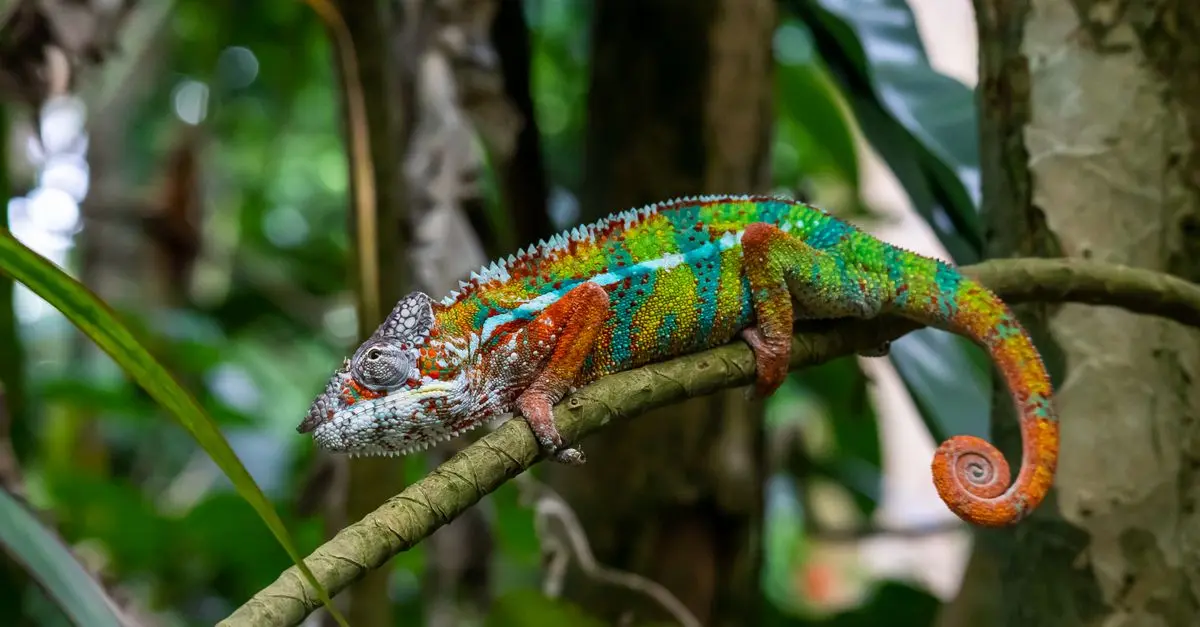
1. Reptiles (e.g., Geckos, Chameleons)
Reptiles are gaining popularity due to their often low maintenance compared to traditional pets. However, they require specific habitats. For example, bearded dragons need a basking area and a temperature gradient within their enclosure to regulate body temperature. Many reptiles are also solitary and prefer less handling, making it essential for owners to understand their behavior for proper care and handling practices.
2. Birds (e.g., Parrots, Canaries)
Birds often require social interaction, enriching environments, and the right diet. African grey parrots, which are highly intelligent, benefit greatly from mental stimulation through toys, puzzles, and human interaction. Without these, they can develop harmful habits such as feather plucking due to boredom or loneliness.
3. Small Mammals (e.g., Ferrets, Hedgehogs)
Small mammals can be delightful companions, but their needs often go unnoticed. Ferrets, for instance, require plenty of space to explore and play, along with careful attention to their diet and social needs, as they thrive in social environments. Owners should ensure they are well-informed about their specific needs as they can have different habits than dogs or cats.
Procedural Guide: Caring for Exotic Pets
To provide the best care for your exotic pets, here’s a step-by-step approach:
- Research and Selection: Before acquiring an exotic pet, research its specific needs, behavioral tendencies, and lifespan. Choose a pet that fits your lifestyle and resources.
- Setup Appropriate Habitat: Ensure that their enclosure provides all the necessary features such as temperature control, humidity levels, and appropriate substrate or bedding, mimicking their natural environment as closely as possible.
- Nutrition: Adopt a precise diet tailored to your pet’s species. Consult a veterinarian for recommendations and avoid feeding them inappropriate foods as this can lead to serious health issues.
- Regular Vet Visits: Schedule annual or bi-annual veterinary check-ups with a professional who specializes in exotic animals. Early detection of health problems can prevent severe issues down the road.
- Socialization and Interaction: Depending on the species, develop a routine that includes social interaction, play, and mental stimulation through toys or activities.
By following these steps, pet owners can ensure that their exotic companions thrive in a safe and nurturing environment.


Comparative Analysis: Exotic Pets vs. Traditional Pets
Understanding the differences between exotic pets and traditional pets can help clarify decision-making processes for prospective owners. Below is a comparative outline:
| Criteria | Exotic Pets | Traditional Pets | Verdict |
|---|---|---|---|
| Care Complexity | High (specific needs) | Moderate | Exotic pets require more specialized care. |
| Interaction Needs | Varied; some solitary | High (dogs need daily exercise) | Traditional pets often require more social interaction. |
| Lifespan | Varies significantly | Relatively consistent | Lifespan can heavily depend on the species. |
| Legal Regulations | Often require permits | Minimal regulation | Exotic pets may have more legal constraints. |
Key Data Insights on Exotic Pets
According to a recent survey by American Pet Products Association, over 15 million households in the United States own at least one type of exotic pet. The increase in exotic pet ownership over the last decade indicates a growing interest in these unique animals. This data underscores the importance of educating owners on responsible pet ownership and care to ensure the pets' health and well-being.
In 2025, UFC-Que Choisir highlighted that many new exotic pet owners lack essential knowledge about the needs of their pets, often leading to health complications. Such statistics emphasize the importance of thorough research before adoption.
Expert Insight
> 💡 Expert Advice: Pet ownership is a long-term commitment that requires understanding the behavioral and physiological needs of your chosen animal. Invest time in research and preparation to create an enriching environment for your exotic pet.
Frequently Asked Questions (FAQ)
What type of exotic pets are best for beginners?
Generally, small mammals or certain reptiles such as leopard geckos are recommended for beginners due to their manageable care requirements.
Do exotic pets require special diets?
Yes, many exotic pets have specific dietary needs that must be catered to for their health. Consult resources or a vet for accurate feeding guidelines.
How can I ensure my exotic pet is comfortable in their habitat?
Monitor temperature, humidity levels, and provide a diverse environment with enrichment items like toys and hiding space.
Are exotic pets social animals?
It depends on the species. While some, like parrots, are very social, others, like reptiles, may prefer solitude. Knowing your pet’s preferences is key.
Glossary
| Term | Definition |
|---|---|
| Exotic Pets | Animals that are not typically domesticated and often require special care. |
| UV Lighting | Ultraviolet light that many reptiles need for proper health, aiding in vitamin D synthesis. |
| Enrichment | Activities and items that stimulate an animal's mind and body to prevent boredom. |


Checklist Before Buying an Exotic Pet
- [ ] Conduct thorough research about the pet species.
- [ ] Evaluate your lifestyle and living space.
- [ ] Prepare an adequate habitat.
- [ ] Consult a veterinarian for dietary requirements.
- [ ] Gather enrichment and interactive items.
📺 For further expansion: Exploring the Needs of Exotic Pets, a detailed look into pet care. Search on YouTube: exotic pets care 2026.
By ensuring that exotic pets receive appropriate care, owners can contribute to their well-being and foster a loving relationship. Remember that adopting an exotic pet is not just a trend but a responsibility toward a unique life.
Explore our curated selection of products that can aid in creating the ideal environment for your exotic pets. We’ve selected several products suited for their specific needs to help you on your journey as a responsible pet owner.
📺 Pour aller plus loin : exotic pets care 2026 sur YouTube
Recommended products
Selected by our experts

Cal Exotics Rechargeable Silicone Love Rider Strapless Strap-On - Purple
babeland.com

Cal Exotics Packer Gear Strap-On Harness Boxer Shorts with Vibe Pocket - L / XL - Black
lovehoney.com
Cal Exotics Optimum Series Automatic Advanced Smart Penis Pump - Black
lovehoney.com