Table of Contents (14 sections)
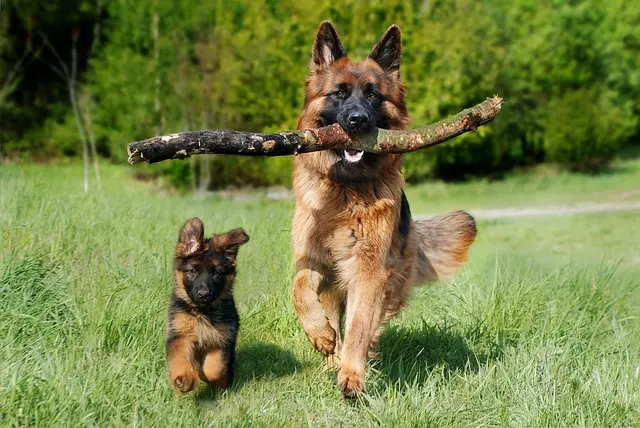
Understanding your pet's body language is crucial to providing them with a safe and comfortable environment. Just like humans, pets communicate their feelings through physical cues and actions. These behaviors can reveal a lot about their emotional state, health, and needs. In the age of pet ownership, fostering a deeper connection with your furry friends through body language can create a stronger, more empathetic relationship.
What is Pet Body Language?
Pet body language refers to the non-verbal signals pets use to express their feelings and intentions. Dogs, cats, and other animals have unique ways of communicating their emotions. For example, a dog's wagging tail does not always mean joy; the position and speed of the wag can indicate excitement, fear, or even aggression.
Feline communication is different but equally nuanced. Cats use their ears, tails, and body posture to signal their mood. An arched back and puffed fur often indicate fear or aggression, while a relaxed cat will usually exhibit a more open stance.
In essence, learning to read these signals allows pet owners to respond appropriately, ensuring the well-being of their beloved companions. Being attuned to your pet's needs can greatly improve their quality of life and strengthen your bond.
How to Interpret Your Pet’s Body Language
Dogs
Dogs utilize their entire bodies to communicate. Key signals include:
- Tail Position: A high, wagging tail generally indicates happiness and excitement, while a lowered or tucked tail can signal submission or fear.
- Ears: Forward-facing ears suggest curiosity and interest, whereas ears pinned back can indicate anxiety or aggression.
- Body Posture: A playful stance with a low front and raised back indicates readiness to play, while a tense body with raised hackles signifies aggression or defensiveness.
Cats
Cats also exhibit various behaviors:
- Tail Movements: A straight, upright tail usually implies confidence and happiness, while a puffed-up tail indicates fear.
- Ears: Forward-facing ears mean curiosity and interest, but if the ears are flattened back, the cat is likely feeling threatened.
- Purring and Kneading: While purring typically shows contentment, constant kneading can indicate both comfort and a desire for attention.
By observing these signals regularly, pet owners can become adept at understanding their pet's emotions, paving the way for better behavioral management and bonding.

PLAUD Inc. Plaud Note AI Voice Recorder, Voice Recorder w/Case, App Control, Transcribe & Summarize with AI Technology, Support 112 Languages, 64GB
plaud.ai


PLAUD Inc. Plaud Note AI Voice Recorder Black with Black Case, App Control, AI Transcribe & Summarize, Support 112 Languages, 64GB Memory, Audio
plaud.ai
Comparison of Pet Signals
Here’s a comparative table summarizing common signals for dogs and cats:
| Behavior | Dog Signal | Cat Signal | Interpretation |
|---|---|---|---|
| Tail Position | High and wagging | Straight and upright | Happy/excited |
| Ears | Forward-facing | Forward-facing | Curious/interested |
| Body Posture | Bowing stance | Arched back | Playful/defensive |
| Vocalizations | Barking | Purring | Varied meanings |
Recognizing Stress Signals
Being aware of stress signals can help prevent undesirable behavior and ensure your pet’s comfort. Common signs of stress in pets include:
- Panting or excessive drooling in dogs, which might indicate anxiety or fear.
- Hiding or avoidance behaviors in both dogs and cats suggest they are overwhelmed or scared.
- Aggression or sudden outbursts can be signs that your pet is feeling threatened or stressed.
By knowing these signals, pet owners can intervene when their pets are uncomfortable, helping them to relax and feel safe.
Expert Insights
> 💡 Expert Opinion: A leading animal behaviorist emphasizes that understanding pet body language is not just beneficial for your pet's immediate well-being but also fundamentally enhances long-term emotional stability. Regular engagement and observation create a fulfilling environment where pets feel secure and nurtured.
FAQs
Q: How can I tell if my dog is happy?
A: Look for a relaxed body, wagging tail, and engaging playful behavior.
Q: What does it mean when my cat kneads?
A: Kneading often indicates comfort and affection, reminiscent of kittenhood when they kneaded their mother for milk.
Q: Can my pet's body language change over time?
A: Yes, factors such as age, environment, and experiences can influence body language signals.
Q: What should I do if my pet shows signs of aggression?
A: It's important to maintain a safe distance and consult with a veterinary behaviorist for strategies to safely manage and reduce aggressive behaviors.
PLAUD Inc. Plaud Note AI Voice Recorder, Voice Recorder w/Case, App Control, Transcribe & Summarize with AI Technology, Support 112 Languages, 64GB
plaud.ai

PLAUD Inc. Plaud Note AI Voice Recorder, AI Note Taking Device, Transcribe & Summarize, Support 112 Languages, 64GB Navy Blue Digital Audio Recorder
plaud.ai
Plaud Note AI Voice Recorder, Voice Recorder w/Case, App Control, Transcribe & Summarize with AI Technology, Support 112 Languages, 64GB Memory,
plaud.ai
Checklist Before Engaging with Your Pet
- [ ] Observe your pet's body language regularly.
- [ ] Note any changes in behavior.
- [ ] Familiarize yourself with common stress signals.
- [ ] Engage in regular play to encourage positive body language.
- [ ] Consult experts when faced with unusual behaviors.
Glossary
| Term | Definition |
|---|---|
| Body Language | Non-verbal communication signals used by pets to express feelings. |
| Stress Signals | Behaviors exhibited by pets when they feel anxious or threatened. |
| Playful Posture | A specific stance indicating readiness and eagerness to play. |
Conclusion
Interpreting your pet's body language can greatly enhance your companionship experience. The more you understand their signals, the better equipped you are to ensure their health, happiness, and comfort. Remember, open communication with your furry friends fosters a strong bond of trust and affection.
📺 For further insights: Understanding Pet Communication, check YouTube for engaging content on this subject.
Recommended Products
Discover our hand-picked products below that can enhance your pet ownership experience.
📺 Pour aller plus loin : understanding pet body language communication sur YouTube
Recommended products
Selected by our experts

PLAUD Inc. Plaud Note AI Voice Recorder, AI Note Taking Device, Transcribe & Summarize, Support 112 Languages, 64GB Navy Blue Digital Audio Recorder
plaud.ai

PLAUD Inc. Plaud Note AI Voice Recorder, Voice Recorder w/Case, App Control, AI Transcribe & Summarize, Support 112 Languages, 64GB, Audio Recorder
plaud.ai

PLAUD Inc. Plaud NotePin Voice Recorder, AI Voice Recorder, App Control, AI Notetaker, AI Transcribe & Summarize, Support 112 Languages, 64GB Audio
plaud.ai
PLAUD Inc. Plaud Note AI Voice Recorder, Voice Recorder w/Case, App Control, AI Transcribe & Summarize, Support 112 Languages, 64GB, Audio Recorder
plaud.ai

PLAUD Inc. Plaud NotePin Voice Recorder, AI Voice Recorder, App Control, AI Notetaker, AI Transcribe & Summarize, Support 112 Languages, 64GB Audio
plaud.ai

PLAUD Inc. Plaud NotePin Voice Recorder, AI Voice Recorder, App Control, AI Notetaker, AI Transcribe & Summarize, Support 112 Languages, 64GB Audio
plaud.ai