Table of Contents (10 sections)
Introduction
Embarking on a wildlife safari is a dream for many nature enthusiasts. It offers a unique opportunity to witness majestic creatures in their natural habitats. In this guide, discover essential tips and top destinations that will help you plan a successful wildlife safari adventure.
Understanding Wildlife Safaris
A wildlife safari is more than just a trip; it’s an immersive experience in the natural world. Popular in Africa, where vast landscapes are home to the Big Five—lions, elephants, buffalo, leopards, and rhinoceros—safaris allow visitors to observe these animals as they roam freely. According to National Geographic, Kenya and Tanzania are prime locations, hosting significant numbers of tourists annually.
The beauty of a safari lies in its unpredictability. Unlike a zoo, animals can be elusive, demanding patience and keen observation. A good guide can enhance the experience by providing insights into animal behavior and local ecology. This combination makes safaris an important tool for both education and conservation, helping visitors understand the critical balance needed to protect these ecosystems.
Step-by-Step Safari Planning
Successfully planning a wildlife safari involves several steps. First, decide on a destination based on the wildlife you wish to see and the best season to visit. For instance, the Great Migration in the Serengeti, usually from July to October, is a must-see.
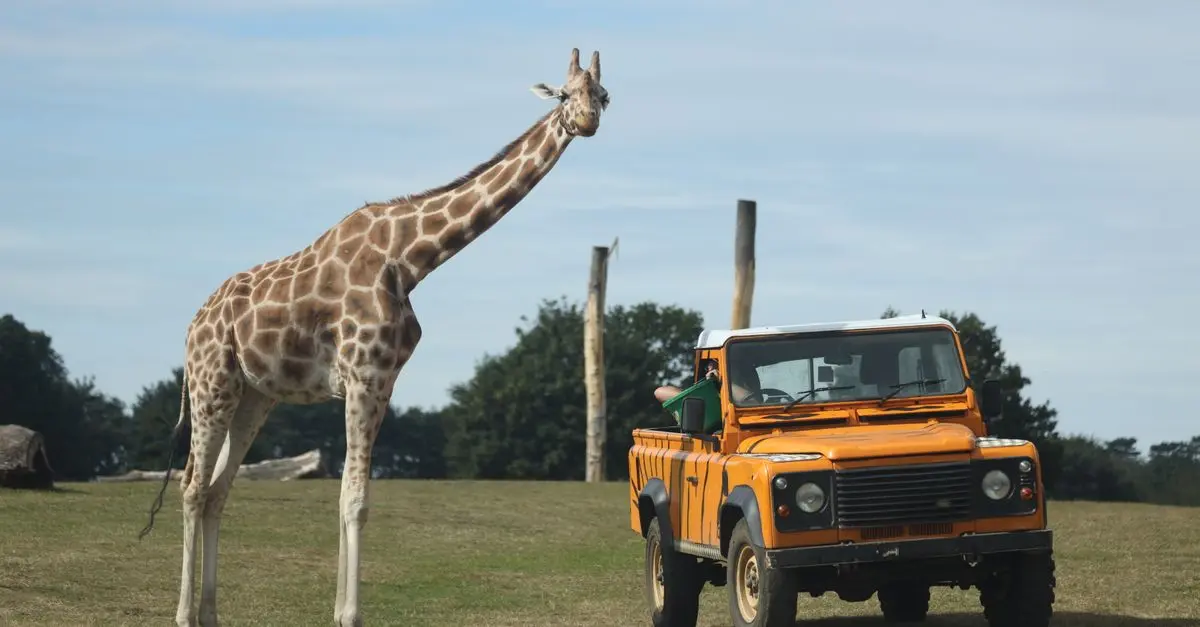
Book your accommodation early. Many lodges and camps cater specifically to safari-goers, offering everything from luxury to budget-friendly options. Consider the type of safari vehicle; open-top in a private reserve allows close encounters, while closed vehicles are more common in national parks.
Pack wisely. Lightweight clothing, binoculars, a good camera, and sunscreen are crucial. World Wildlife Fund suggests bringing a field guide to identify flora and fauna. Don't forget to get recommended vaccinations and arrange travel insurance.
Comparing Top Destinations
Here's a quick comparison of popular wildlife safari destinations:
| Destination | Best Time to Visit | Main Attractions | Unique Features |
|---|---|---|---|
| Masai Mara | July - October | Big Five, Great Migration | Diverse ecosystem |
| Serengeti | June - September | Great Migration | Endless plains |
| Kruger National | May - September | Big Five, diverse species | Self-drive safaris available |
| Okavango Delta | June - October | Waterways, birdwatching | Seasonal floods |
Safari Statistics and Trends
According to SafariBookings.com, the wildlife safari industry sees over 30 million visits to African parks annually. This sustained interest bolsters economies and supports conservation efforts. Recent trends show a rise in eco-friendly safaris, with travelers seeking minimal-impact tours to preserve habitats, an initiative supported by non-profits like the World Wildlife Fund.
A UFC-Que Choisir survey found that 76% of safari-goers prioritize sustainable travel options, emphasizing the industry's shift towards conservation-conscious tourism. The increase in digital connectivity also allows for virtual safaris, broadening access even amid global travel restrictions.
Frequently Asked Questions
Q: What should I pack for a wildlife safari?
A: Pack light clothing, binoculars, a camera, sunscreen, insect repellent, and a field guide.
Q: Which animals are included in the Big Five?
A: The Big Five consists of elephants, lions, leopards, buffalos, and rhinoceros.
Q: When is the best time to go on a safari?
A: The best time varies by region, but generally, the dry season offers better wildlife viewing opportunities.
Q: How long should a typical safari last?
A: A typical safari ranges from 3 to 10 days, depending on the experience you desire.
📺 Resource Video
📺 For More Insights: Planning a Successful Wildlife Safari, a detailed analysis of safari planning and experiences. Search YouTube: "wildlife safari planning guide 2026".
Glossary
| Term | Definition |
|---|---|
| Big Five | Five of Africa's greatest wild animals: lion, leopard, elephant, rhinoceros, and buffalo. |
| Eco-safari | A wildlife tour that prioritizes environmental conservation and sustainable practices. |
| Great Migration | Annual migration of millions of wildebeest and other animals across the Serengeti-Mara ecosystem. |
Checklist Before You Go
- [ ] Verify travel documentation and vaccinations.
- [ ] Book accommodations and safari tours in advance.
- [ ] Confirm travel insurance coverage.
- [ ] Pack essential gear and clothing.
- [ ] Research wildlife and safari etiquette.
🧠 Quiz rapide : What is the best time to witness the Great Migration?
- A) January - March
- B) July - October
- C) November - December
Réponse : B — The Great Migration is best witnessed from July to October.
💡 Avis d'expert : Going on a wildlife safari is a chance to reconnect with nature and learn the importance of preserving our planet's biodiversity. Careful planning and eco-conscious choices significantly enhance this experience, ensuring it remains viable for future generations.