Table of Contents (14 sections)
Caring for a new puppy can be both an exciting and overwhelming experience. Puppies bring joy, love, and sometimes chaos into our homes. In this article, we’ll explore ten essential tips to help you give your new furry friend the best start in life. Whether you’re a seasoned dog owner or a first-timer, these tips will ensure that your puppy thrives in their new environment.
Understanding Your Puppy
Understanding your puppy’s needs is crucial for effective care. Puppies are not only dependent on their owners for food and shelter; they need love, attention, and social interaction to develop properly. According to the American Kennel Club, proper socialization in the first few months can prevent behavioral issues later on. Spend time observing their reactions to new experiences and environments to build trust and security in your relationship. Engaging in activities and having new experiences will help acclimate your puppy to the world around them, promoting a well-balanced demeanor and fostering a stronger bond between you.


Setting Up Your Home
Your home should be a welcoming, safe, and engaging environment for your new puppy. Start by creating a designated space where your puppy can rest and feel secure—this might include a comfy bed and a few toys. Ensure the area is free of hazards, such as cords, toxic plants, and small objects that can be swallowed. Using baby gates can help restrict access to potentially dangerous areas like stairs. It’s important to introduce your puppy to different rooms slowly, allowing them to explore while ensuring safety. This controlled environment will help them feel at home and reduce anxiety.
Feeding Your Puppy
Proper nutrition is fundamental in the early stages of a puppy’s life. Puppies require a diet specially formulated to support their rapid growth and development. Consult with your veterinarian to determine the best food for your puppy's breed, size, and health conditions. Feeding schedules are also essential—most puppies do well with three to four meals a day. Monitoring their weight and adjusting portions as necessary will help ensure they remain healthy. Remember to avoid giving human food, which can disrupt their diet and lead to health issues. Keeping your puppy hydrated is equally vital, so always provide fresh water.
Socialization and Training
Socialization and training are the cornerstones of a well-adjusted puppy. The first few months of a puppy’s life should include exposure to different people, pets, and environments. This helps them learn to adapt positively to various situations. Signing up for a puppy training class can be beneficial; it not only teaches basic commands but also develops skills in social interactions. Puppies learn through play, so incorporating games into training sessions can keep them interested and engaged. Starting early minimizes the chances of behavioral problems and instills lifelong good habits.
Health Care and Check-Ups
Regular vet visits are essential for your puppy's health care. Puppies should receive vaccinations according to a schedule provided by your veterinarian to protect them from common diseases. Moreover, regular check-ups help monitor growth and detect any potential health issues early. Discuss spaying or neutering options at the appropriate age, as this can prevent health problems later in life. Investing in pet insurance can also be a smart decision, allowing peace of mind regarding unexpected health costs. Consistent health care fosters a long, happy life for your puppy.
Grooming Essentials
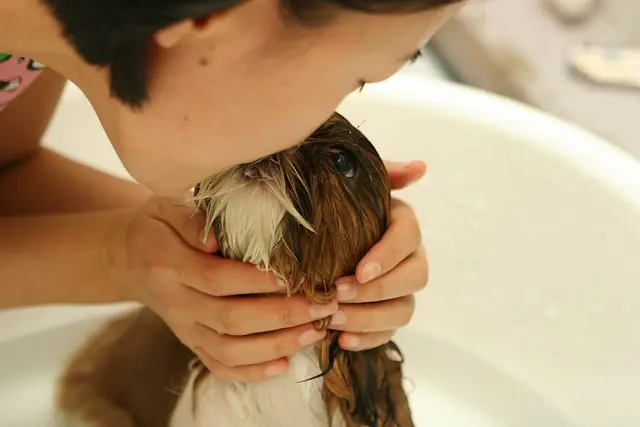
Maintaining your puppy's grooming routine is important for their well-being. This includes brushing their fur to prevent matting and reduce shedding, as well as nail trimming and ear cleaning. Regular grooming not only keeps your puppy clean but also gives you an opportunity to check for any irregularities on their skin or body that may need medical attention. Different breeds have various grooming needs, so research the specific requirements for your puppy. Establish a positive grooming routine early on to make this experience enjoyable for both of you.
Creating a Safe Space
Having a safe space for your puppy is fundamental to their development. This is where they can retreat when feeling overwhelmed or tired. Consider a crate, which can provide a secure environment for your puppy. It’s important to make this space welcoming by adding blankets or toys that smell like you. Crate training can also aid in house training, as dogs naturally avoid soiling their sleeping area. Encourage your puppy to explore and enjoy their safe space, reinforcing calm behavior with treats and praise.
Exercise and Playtime
Exercise is vital for your puppy's physical and mental well-being. Regular playtime helps expend energy and aids in socialization. Depending on the breed, puppies may require different amounts of exercise. Active breeds like Border Collies may need more vigorous activities, while smaller breeds enjoy shorter, less intense bursts. Incorporate walks, fetch, and interactive toys to engage your puppy. This not only supports physical health but also strengthens your bond through teamwork and fun. Remember to balance play with rest to avoid overstimulation.
Understanding Behavior
Understanding your puppy’s behavior is essential for effective communication. They express their needs and emotions through body language and vocalizations. Learning to decode these signals can prevent misunderstandings. For example, a wagging tail usually indicates happiness, while a tucked tail may signal fear. Monitor your puppy’s behaviors closely and respond appropriately to foster trust and confidence. Consistency in your responses will help them feel secure in their new home and develop a healthy relationship with you.
Choosing the Right Products
When caring for a new puppy, the right products can make all the difference. From food and toys to grooming supplies, choosing quality items tailored to your puppy’s needs will enhance their care and enjoyment. It’s advisable to research and select products that have positive reviews and align with your puppy's specific requirements. We have selected several products suited for your puppy’s needs below.
Glossary
| Term | Definition |
|---|---|
| Socialization | The process of exposing your puppy to different environments and situations to make them comfortable in various circumstances. |
| Crate Training | A method used to teach your puppy to see their crate as a safe, secure place and to aid in house training. |
| Positive Reinforcement | A training method that uses rewards to encourage desired behavior in your puppy. |
Checklist before purchase
- [ ] Choose age-appropriate puppy food
- [ ] Set up a safe area in your home
- [ ] Schedule regular vet check-ups
- [ ] Invest in necessary grooming tools
- [ ] Prepare a socialization plan
🧠 Quick Quiz: What is the best age to start socializing your puppy?
- A) 2 weeks
- B) 8 weeks
- C) 12 weeks
Answer: B — Puppies should be socialized before the age of 16 weeks.
📺 For more insights: [Caring for Your New Puppy: Expert Tips]
Search on YouTube: "how to care for a new puppy 2026".
📺 Pour aller plus loin : how to care for a new puppy 2026 sur YouTube
Recommended products
Selected by our experts
Trind Caring Top Coat Nail Finisher 9ml *
DocMorris FR (ex DoctiPharma FR)
This nail finisher helps keep your puppy's nails healthy and can be an important part of grooming.
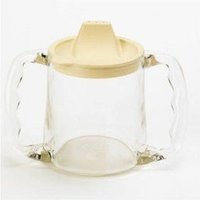
Homecraft Gobelet A/Anse Caring
DocMorris FR (ex DoctiPharma FR)
A no-spill cup designed for pets ensures that your puppy stays hydrated without mess.
Apivita Caring Lavender Gel Douche 250ml
DocMorris FR (ex DoctiPharma FR)
This gentle lavender shower gel is perfect for keeping your puppy's coat clean and fresh.